Tajikistan's Markhors Soar from Hundreds to Over 7,000
A wild goat species with magnificent spiral horns has made a stunning comeback in Tajikistan, jumping from a few hundred in the 1990s to more than 7,000 today. The markhor's recovery shows what's possible when communities commit to protecting endangered wildlife.
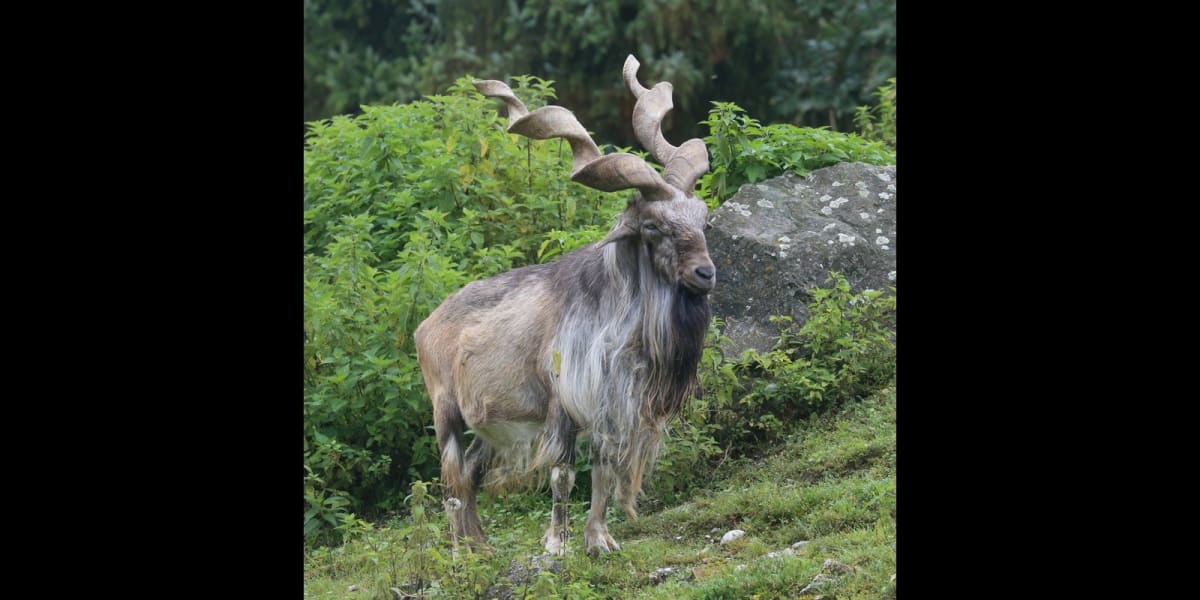
Wild markhors with their signature corkscrew horns are thriving again in Tajikistan's mountains after nearly disappearing three decades ago.
The country's markhor population plummeted to just a few hundred during the civil war and chaos of the 1990s. Now, a census conducted this February and March using modern tracking equipment confirms more than 7,000 of these majestic wild goats call Tajikistan home.
The recovery represents years of dedicated conservation work by local communities who fought to protect their native wildlife. Teams from Tajikistan's Forestry Agency and National Academy of Sciences tracked the animals across southern mountain districts without disturbing their natural behavior.
The markhor's story gets even better when you zoom out across Central and South Asia. In 2014, the International Union for Conservation of Nature upgraded the species from "Endangered" to "Near Threatened" on its Red List, a major win for conservationists.
Back then, the entire markhor population across Afghanistan, India, Pakistan, Tajikistan, Turkmenistan, and Uzbekistan totaled around 5,700 mature adults. Today, Tajikistan alone hosts more than 7,000, and officials say the numbers keep climbing.
The Ripple Effect: This comeback shows how protecting one species helps entire ecosystems heal. The same conservation efforts that saved markhors also preserved critical mountain habitats across southern Tajikistan, including areas near the Afghan border where poaching once threatened the population.
Local communities tackled multiple threats head on. They addressed illegal hunting for meat, reduced wood cutting that destroyed habitats, and managed livestock grazing that had fragmented the markhor's territory.
The recovery has gained international recognition too. The United Nations declared May 24 as International Day of the Markhor, first celebrated in 2024, giving these remarkable animals a global platform.
Pakistan has championed the markhor as its national animal, helping raise awareness across borders. The collaborative spirit between nations shows how conservation succeeds when communities work together across political boundaries.
Despite their name meaning "snake eater," markhors are peaceful herbivores who graze mountain vegetation. Their spiral horns can grow several feet long, making them one of nature's most striking wild goat species.
The latest census data shows the population remains stable and growing, a testament to sustainable conservation practices that balance wildlife needs with local community interests.
From the edge of extinction to over 7,000 strong, Tajikistan's markhors prove that dedicated conservation can reverse even the steepest wildlife declines.
Based on reporting by Google News - Conservation Success
This story was written by BrightWire based on verified news reports.
Spread the positivity!
Share this good news with someone who needs it