Tallinn Airport Slashes Carbon Emissions by 96% in 7 Years
Estonia's Tallinn Airport achieved carbon neutrality by cutting emissions from 15,091 tonnes to just 552 tonnes since 2018, proving major climate wins are possible without shortcuts. The transformation relied on renewable energy, data tracking, and getting every employee on board.
Seven years ago, Tallinn Airport decided to prove that airports could fight climate change without relying on carbon credits as a shortcut. Last December, they hit their goal: a staggering 96% reduction in emissions and official carbon neutral status.
The numbers tell an incredible story. In 2018, Estonia's main airport pumped out 15,091 tonnes of CO2. Today, that figure sits at just 552 tonnes.
CEO Riivo Tuvike says the secret was simple: reduce first, offset only what you absolutely must. That remaining 4% gets compensated through verified carbon reduction projects, but everything else came from real changes on the ground.
The airport started by tracking everything. Fuel consumption, energy use, waste generation, even employee commutes. By 2023, they had built a system that monitors carbon output monthly instead of yearly, letting them make quick decisions based on facts instead of guesses.
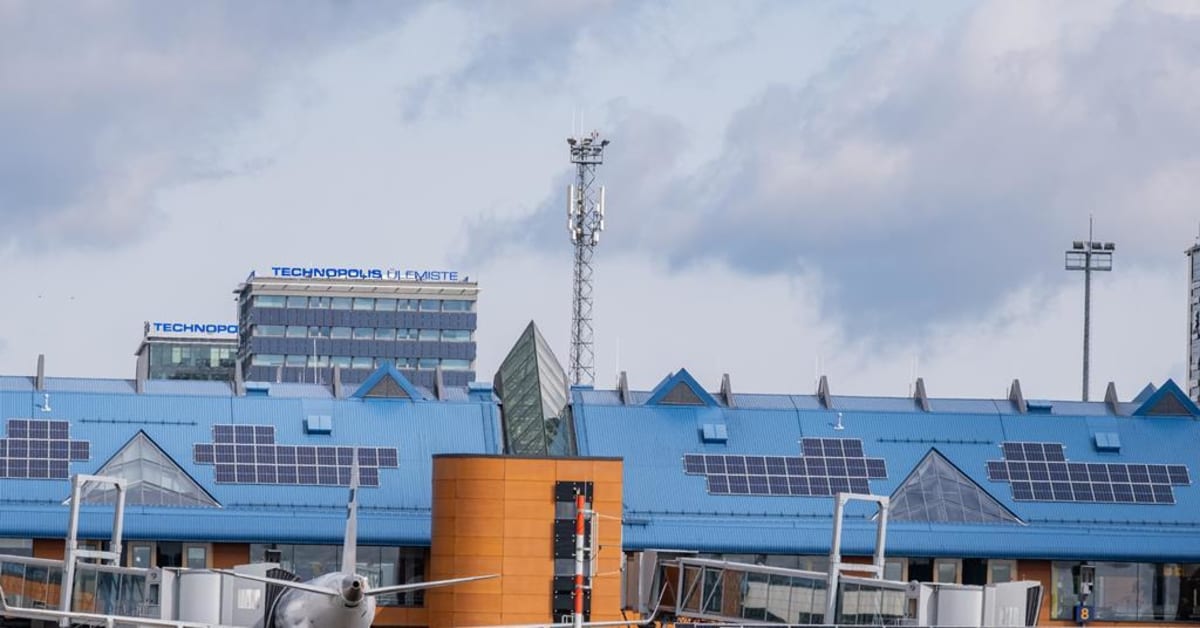
Solar panels now cover airport rooftops, generating 5.75 gigawatt hours of renewable electricity annually. That covers nearly half their power needs. The rest comes from certified renewable sources, bringing electricity emissions down to zero.
Heating was next. In 2022, the airport ditched its natural gas plant for district heating, two thirds of which comes from renewable sources. That single switch eliminated 2,000 tonnes of CO2 every year.
Then came the vehicles. Over three years, Tallinn added nearly 50 electric baggage tugs, ground power units, and other equipment. Fleet electrification alone cut total emissions by 25% in 2025.
The Ripple Effect
The transformation changed daily life at the airport in visible ways. The apron, once dominated by roaring diesel engines, now hums quietly with electric equipment. During warm weather, employees zip to aircraft stands on electric scooters.
Each employee's carbon footprint dropped from 38 tonnes annually to just 1.3 tonnes. Training programs, waste sorting initiatives, and regular sustainability discussions turned environmental awareness from a corporate goal into a personal mission for the workforce.
The airport now works with nearly 80 companies operating on its premises to reduce their emissions too. Since these partners generate significant indirect emissions, Tallinn introduced environmental assessments and vehicle fleet requirements in 2024.
The biggest challenge has been collecting consistent environmental data from partners still developing their sustainability reporting. But momentum is building, and more companies are joining the effort every month.
Tallinn's success goes beyond one airport. It demonstrates that major infrastructure can decarbonize quickly with the right combination of technology investment, careful measurement, and cultural change.
Other airports watching Tallinn's journey now have a roadmap showing that carbon neutrality doesn't require offsetting your way out of the problem. The future of sustainable aviation just got a lot clearer.
Based on reporting by Google News - Emissions Reduction
This story was written by BrightWire based on verified news reports.
Spread the positivity!
Share this good news with someone who needs it