XCF Plant Recovers 50K Gallons of Water Daily in Nevada
A renewable fuels facility in Nevada is turning waste into wins, recovering enough power to light 500 homes and saving over 50,000 gallons of water every single day. The plant shows how clean energy production can get even cleaner.
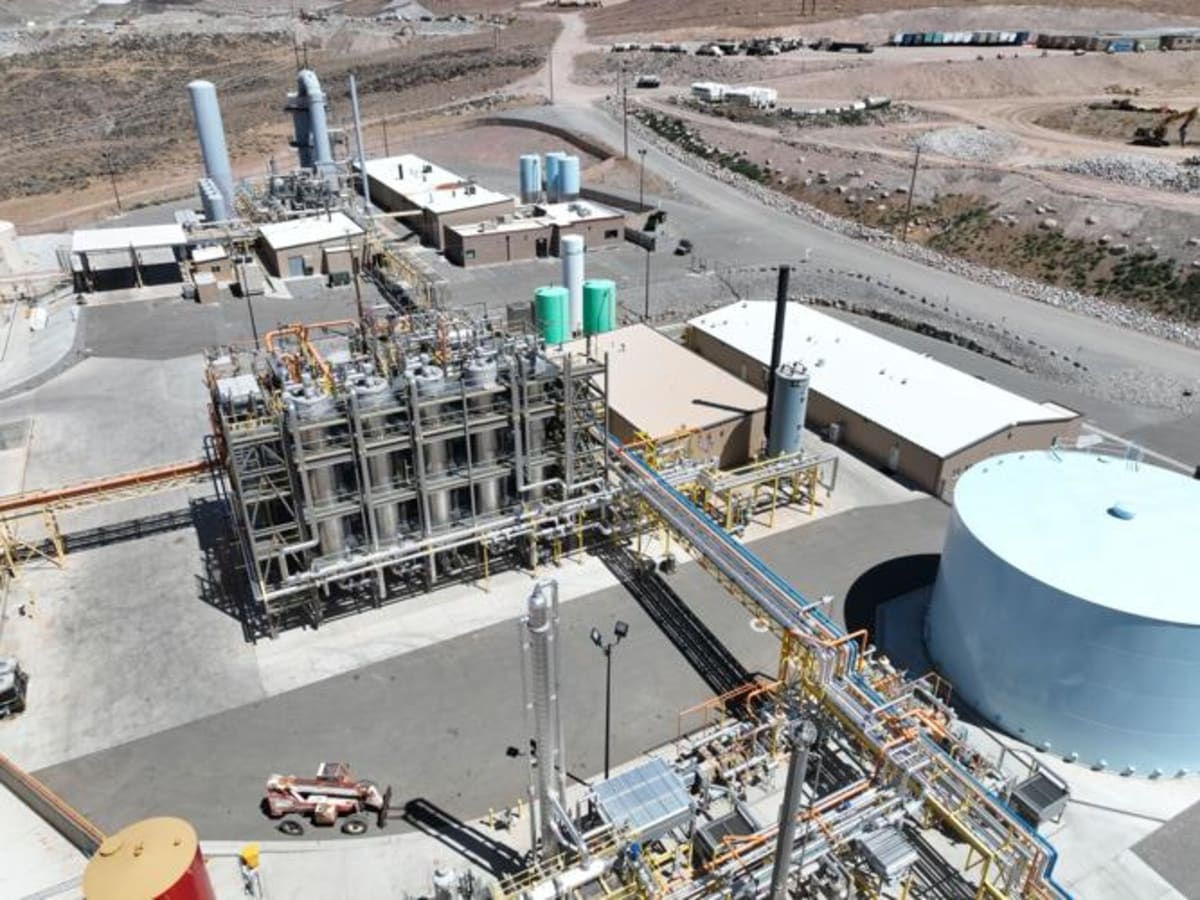
XCF Global's renewable fuels plant in Nevada has found a way to make sustainable aviation fuel production even more sustainable by capturing resources that would otherwise go to waste.
The facility now recovers excess steam from its operations and converts it into up to 500 kilowatts of electricity. That's enough power to offset a significant chunk of the plant's energy needs, reducing reliance on purchased electricity.
Water conservation matters even more in Nevada's arid climate. The plant now captures approximately 35 gallons of water per minute that would normally evaporate into thin air. Over the course of a day, that adds up to more than 50,000 gallons of recovered water.
These efficiency measures support the plant's primary mission of producing renewable diesel and sustainable aviation fuel for the transportation sector. XCF's facility holds a permit to produce 38 million gallons of sustainable aviation fuel annually, positioning it as one of the larger SAF producers in North America.
"Our commitment to reducing emissions extends beyond the fuels we produce for the transportation sector," said Chris Cooper, XCF's Chief Executive Officer. "We are also focused on practical measures within our plant operations that recover energy, conserve water and improve efficiency."
The Ripple Effect
The plant's dual approach demonstrates how renewable energy facilities can multiply their environmental benefits. By recovering resources within their own operations, these facilities reduce their operational footprint while producing cleaner fuels for airplanes and vehicles.
Water conservation efforts prove especially valuable in Western states facing ongoing drought concerns. Every gallon recovered means one less gallon drawn from already stressed water sources in the region.
The power recovery system shows similar promise. By generating electricity from steam that already exists in the production process, the facility reduces demand on the electrical grid without requiring additional fuel or resources.
These plant level improvements represent the kind of continuous refinement that can help scale up renewable fuel production sustainably. As XCF explores expansion opportunities in Nevada, North Carolina, and Florida, the lessons learned from resource recovery could inform future facility designs.
The aviation industry faces significant pressure to reduce its carbon footprint, and sustainable aviation fuel represents one of the most promising near term solutions. When that fuel comes from facilities that also prioritize water conservation and energy efficiency, the environmental benefits multiply across the entire supply chain.
More Images



Based on reporting by Google News - Emissions Reduction
This story was written by BrightWire based on verified news reports.
Spread the positivity!
Share this good news with someone who needs it