Tanzania Invests in Textile Mills to Process Its Own Cotton
Tanzania grows thousands of tons of cotton each year but imports most of its fabric from China. New factories and investment zones are closing this gap, creating hundreds of jobs and keeping more money at home.
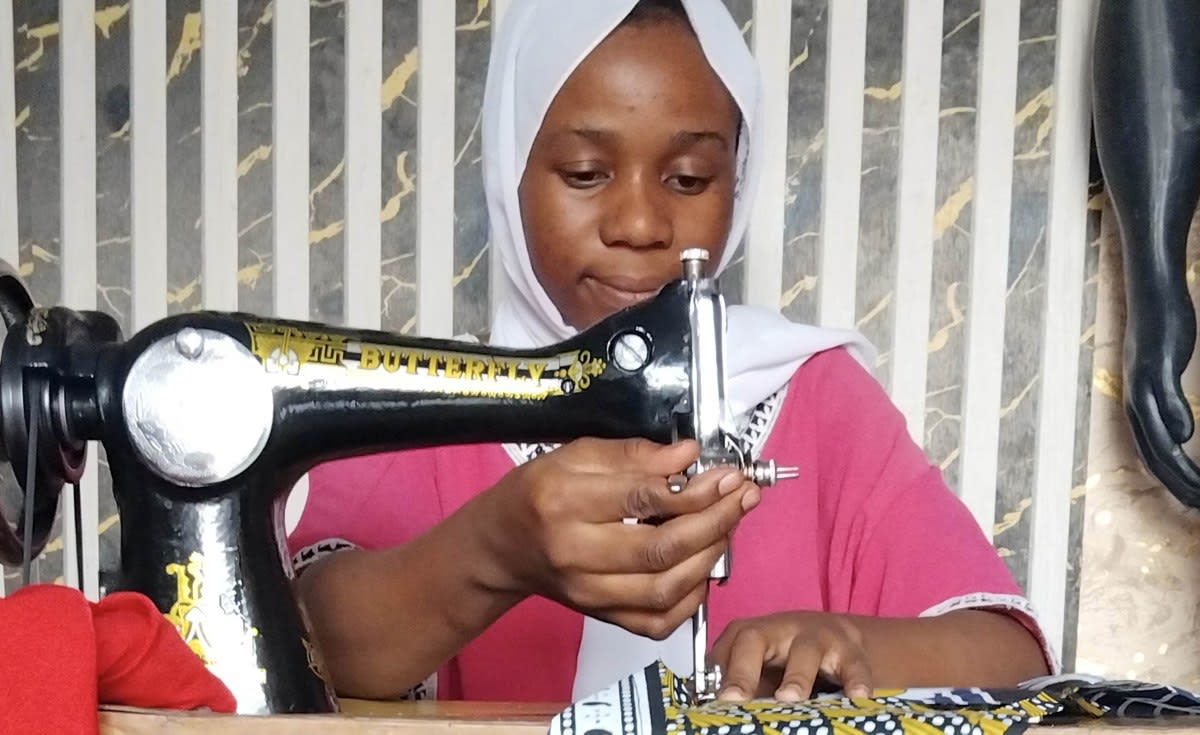
Fashion designer Fatuma Hamis works in one of Africa's top cotton-growing countries, yet she orders most of her fabric from China. It's a puzzle that Tanzania is finally solving.
Tanzania produced 222,057 tons of cotton this season, but the country can only process about 25% of it into fabric. The rest gets exported as raw cotton, then comes back as imported textiles at much higher prices.
The gap costs Tanzania jobs and money. Farmers grow the crop, ginners remove the seeds, but then most of the cotton leaves the country before it becomes yarn, fabric, or clothing. "The fabrics I use come from China," Hamis said. "Here at home, materials are not easily available, except for some products such as kanga and vitenge."
That's changing. The government is developing the Nyamatara Industrial Zone in Mwanza specifically to support cotton processing and textile manufacturing. Officials have already paid over 4 billion Tanzanian shillings to acquire land, and electricity connections are underway.
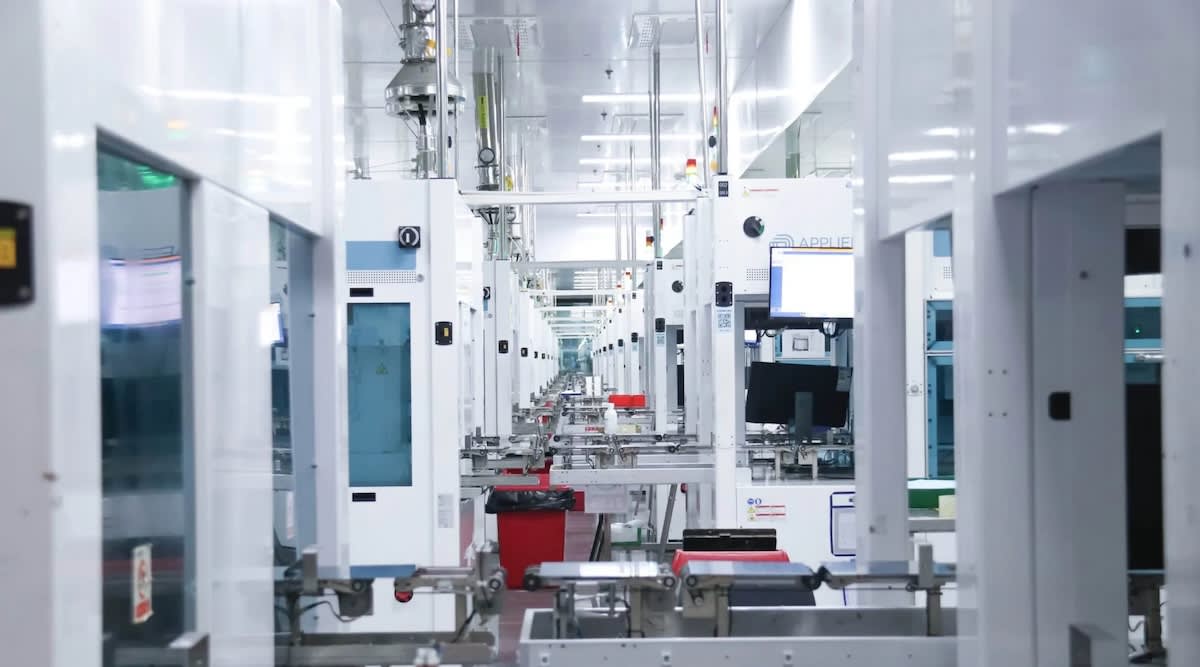
Private investment is following. Taven Garments, established in 2022, now employs more than 300 people making T-shirts, school uniforms, and workwear. Workers handle everything from cutting to quality control, and most are young Tanzanians entering manufacturing careers.
The factory still imports some fabric because local mills can't yet produce all the varieties manufacturers need. But companies like A to Z Textile Mills are supplying more domestic material, and the trend is growing.
Renatus Luneja, acting Director General of the Tanzania Cotton Board, says the government and private sector are actively encouraging investment in spinning, weaving, and garment production. "Tanzania's industries currently process only about 25,000 to 30,000 tons of cotton lint annually, which is far below the volume produced each year," he explained.
The Ripple Effect
When Tanzania processes its own cotton, the benefits multiply across the economy. Farmers get more reliable buyers. Factory workers gain stable employment. Designers like Hamis get better access to affordable materials. And the country keeps more of cotton's value at home instead of exporting it and buying it back.
Venance Mashiba of the Tanzania Investment Authority says the country is promoting investment across the entire chain, from farming to finished garments. Investors can access government incentives designed to speed industrial development.
Young designer Hamis, who began her career at a young age and completed formal training in 2022, sees huge potential. "There are many opportunities because many people like sewing clothes here in Tanzania," she said. "This can help grow the market."
More textile mills mean designers can source locally, small tailoring businesses can reduce costs, and Tanzania can build a fashion industry on its own resources.
Tanzania is turning its cotton fields into complete supply chains, one factory at a time.
Based on reporting by AllAfrica - Headlines
This story was written by BrightWire based on verified news reports.
Spread the positivity!
Share this good news with someone who needs it