Tashkent's Soviet-Era Buildings Join UNESCO World Heritage
Ten modernist buildings in Uzbekistan's capital just earned UNESCO World Heritage status for blending international design with Central Asian traditions. The structures, built after a devastating 1966 earthquake, show how one city turned disaster into an opportunity to reimagine public life.
A cinema palace, a metro station, and even a solar furnace in Uzbekistan just joined the world's most protected architectural treasures.
UNESCO added ten modernist buildings from Tashkent to its World Heritage List in July 2026, recognizing how the Central Asian city transformed itself after tragedy into something beautiful and uniquely its own. The decision came during UNESCO's 48th session in Busan, South Korea.
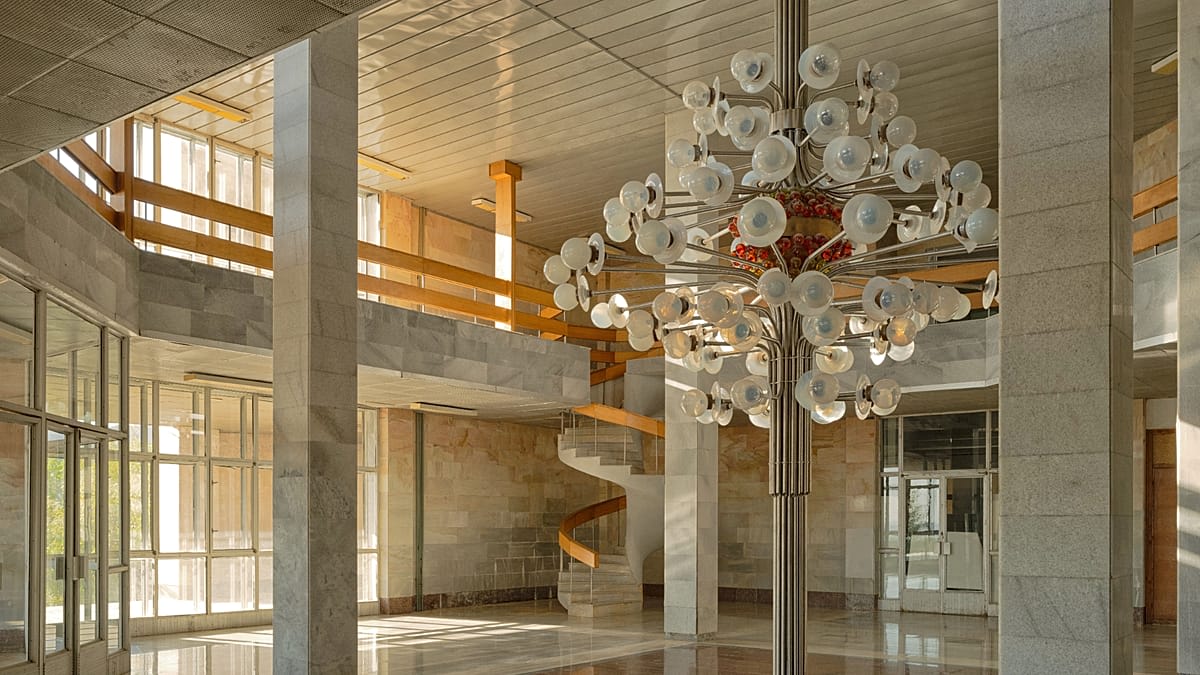
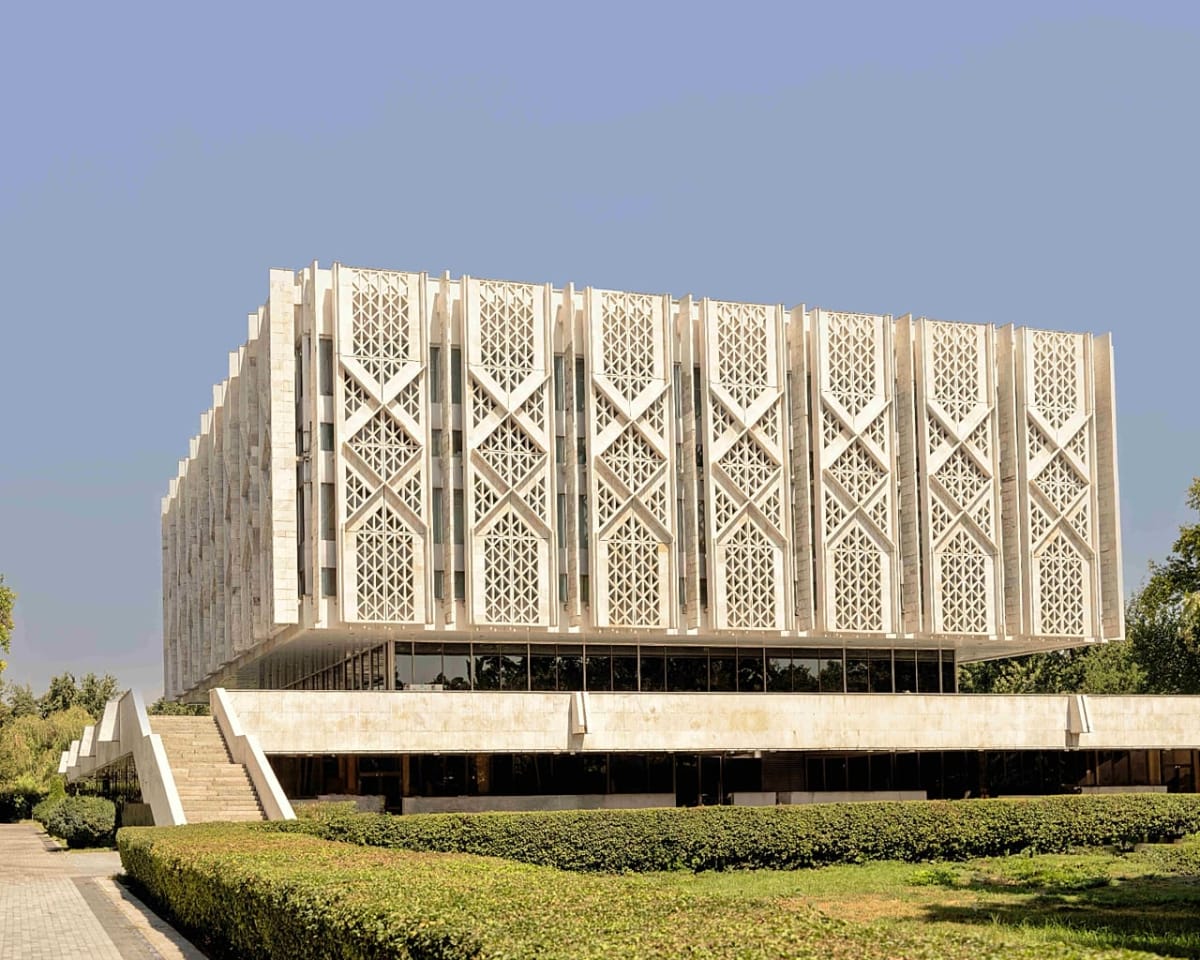
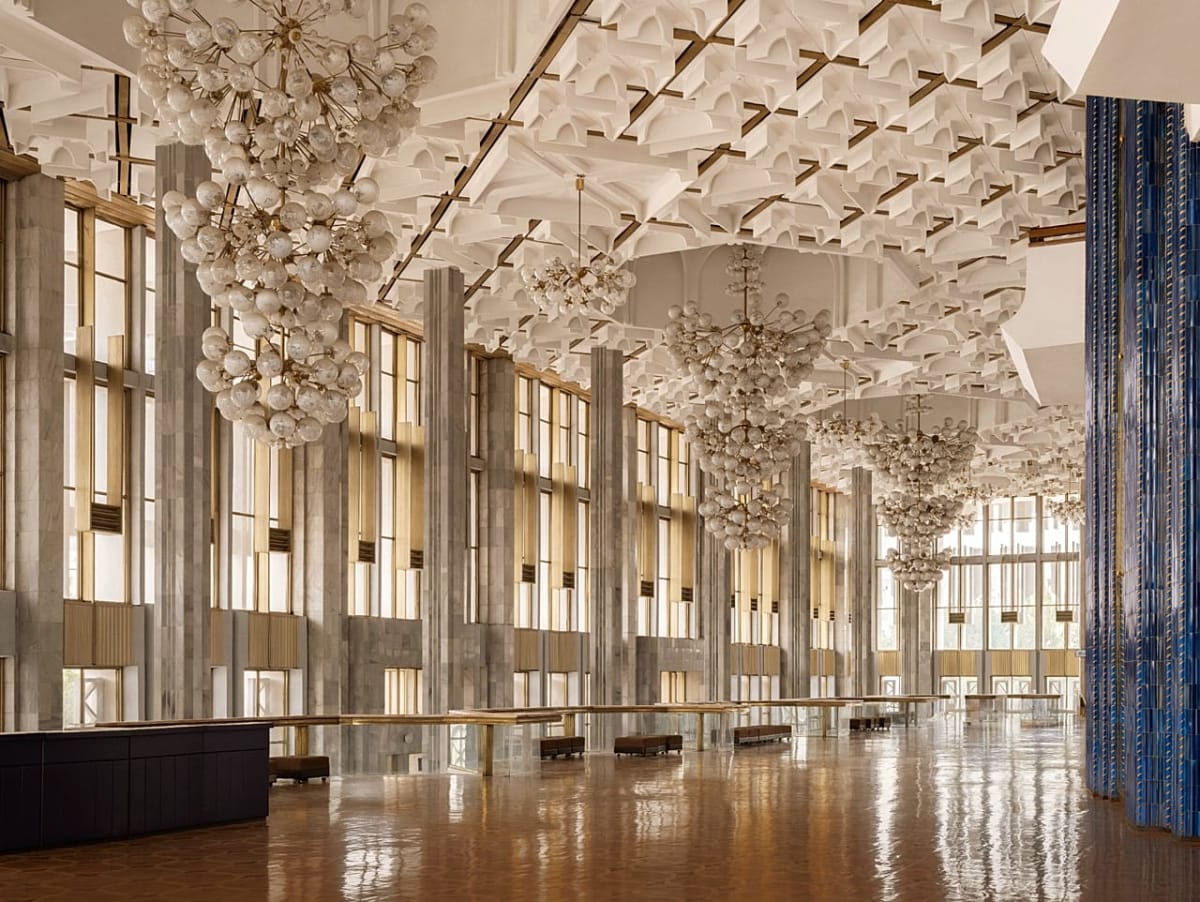
The structures date from the 1960s through the early 1990s, when Tashkent rebuilt itself following a devastating 1966 earthquake. Rather than simply copying Western designs, architects wove together international modernist ideas with Uzbek courtyards, geometric decorations, and craft traditions that had existed for centuries.
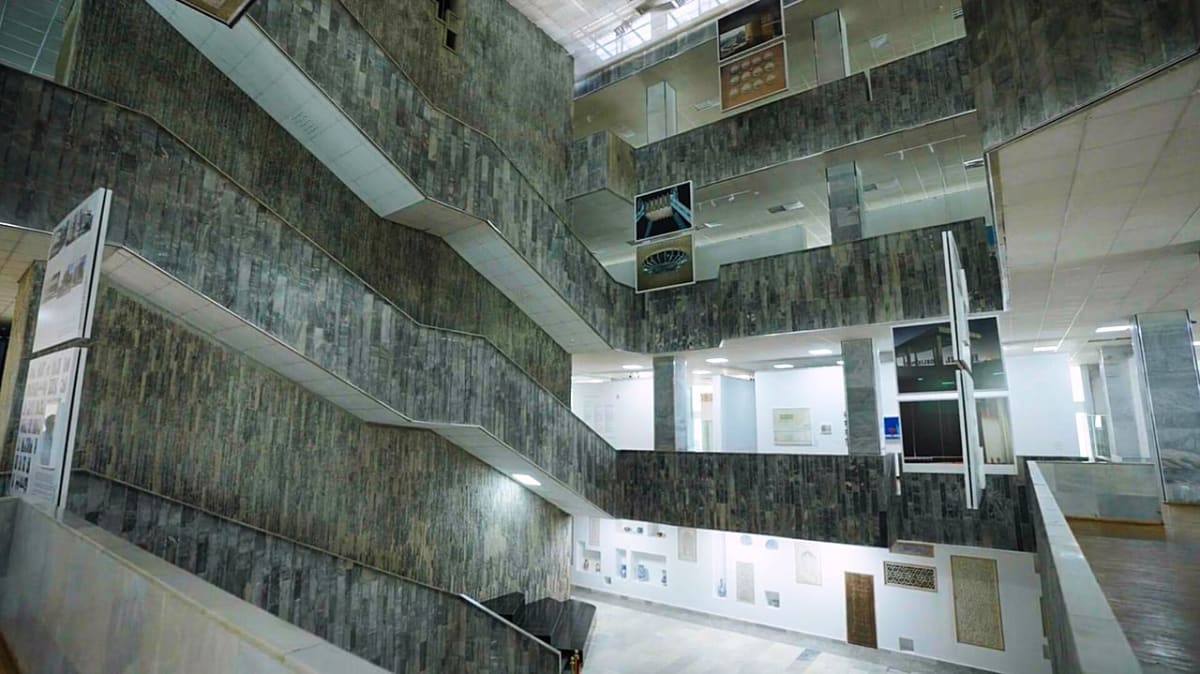
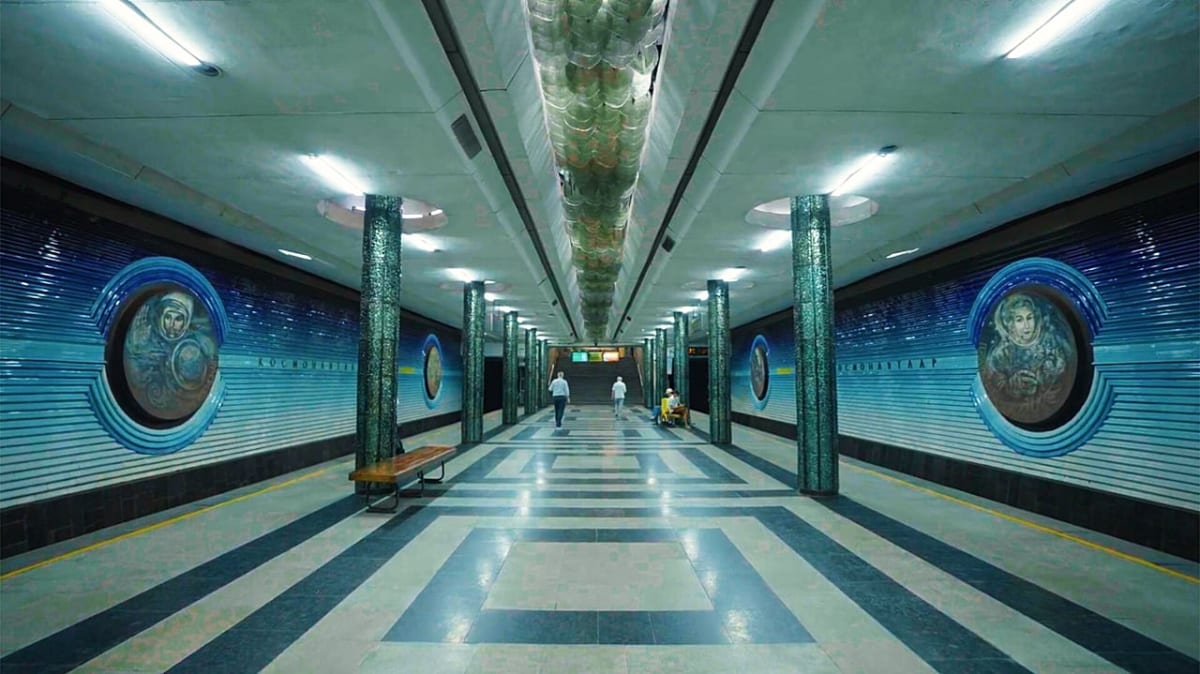
The ten sites include the "Pearl" residential building, the State Museum of History, Kosmonavtlar Metro Station, the State Circus, Chorsu Market, and the Alisher Navoi Cinema Palace. Nine stand along the main streets of central Tashkent, while the Big Solar Furnace sits outside the capital near Parkent as an experimental scientific complex.
Each building solved practical problems while honoring cultural identity. Deep facades and shaded spaces combat intense summer heat. New construction methods protect against earthquakes. Traditional courtyards and loggias keep public spaces feeling familiar even as the city modernized.
"This is recognition of the value not only of individual buildings, but of an entire era," said Saida Mirziyoyeva, Head of Uzbekistan's Presidential Administration. She emphasized how the architecture brought together modern design, Central Asian traditions, and climate-smart solutions.
The Ripple Effect
Most of these buildings remain in active use today, continuing to shape daily life for Tashkent residents more than 60 years after construction began. Their UNESCO recognition reflects a growing understanding that recent architecture deserves protection just like ancient monuments.
The inscription helps shift how the world sees 20th-century buildings, which often get demolished despite their importance to modern city identity and collective memory. Gayane Umerova, Chairperson of Uzbekistan's National Commission for UNESCO, said it places an important chapter of the country's recent history within the international story of global modernism.
Uzbekistan now has six cultural properties on the World Heritage List, joining historic sites like Samarkand and Bukhara. The country also protects two natural properties: the Western Tien-Shan mountains and the Cold Winter Deserts of Turan.
These ten buildings prove that rebuilding after disaster can create something that honors both past and future.
More Images
Based on reporting by Euronews
This story was written by BrightWire based on verified news reports.
Spread the positivity!
Share this good news with someone who needs it
%2Ffile%2Fattachments%2F2997%2F14300024_667918.jpg)