Tasmania Councils Struggle to Fill Seats in Election
Two Tasmanian councils couldn't find enough candidates to fill their seats, leading to unopposed elections. The shortage has prompted extended nomination periods and reflection on civic engagement in well-run communities.
When things are going well, it turns out people might be less eager to jump into local politics.
Two Tasmanian councils discovered this firsthand when nomination deadlines closed with empty seats. Tasman Council received just six nominations for seven positions, while King Island Council had only five candidates for seven available spots. The eleven nominees who did step forward automatically won their seats without an election.
The shortage isn't unique to this year. King Island faced the same challenge four years ago, and La Trobe Council experienced it in 2014. This time, however, the trend appears broader. Tasmania saw 430 total nominations across all councils, down from 505 in the previous election cycle.
Tasman Council Mayor Rod MacDonald sees an unexpected silver lining in the low turnout. "Our council's been running really well and getting things done," he explained. Without controversial issues driving people to run for office, residents appear content with how things are going.
The Tasmanian Electoral Commission extended the nomination period by one week for both councils, hoping to attract at least a few more candidates. If additional nominees come forward, they'll compete only for the remaining vacant seats when ballot papers go out for mayoral votes in October.
Why This Inspires
Democracy thrives on participation, but sometimes low turnout reveals something positive. When communities feel heard and councils deliver results, the urgency to challenge the status quo naturally decreases. Tasman's situation suggests residents trust their current leadership enough not to feel compelled to shake things up.
Deputy Mayor Maria Stacey, who served three terms over twelve years before deciding not to run again, found the work rewarding despite occasional challenges. Her departure opens opportunities for fresh voices while maintaining the council's positive trajectory.
The statewide picture shows mixed engagement. While some councils struggled for nominees, others saw robust competition. Glenorchy attracted twelve deputy mayoral candidates, and Hobart City Council has eleven people running for mayor. Interest clearly exists where voters see opportunities to make an impact.
Tasmania's recent reforms reduced council positions from 263 to 213, streamlining local government while maintaining representation across its 29 councils. Only the five largest jurisdictions will elect nine councillors, with the remaining 24 electing seven each.
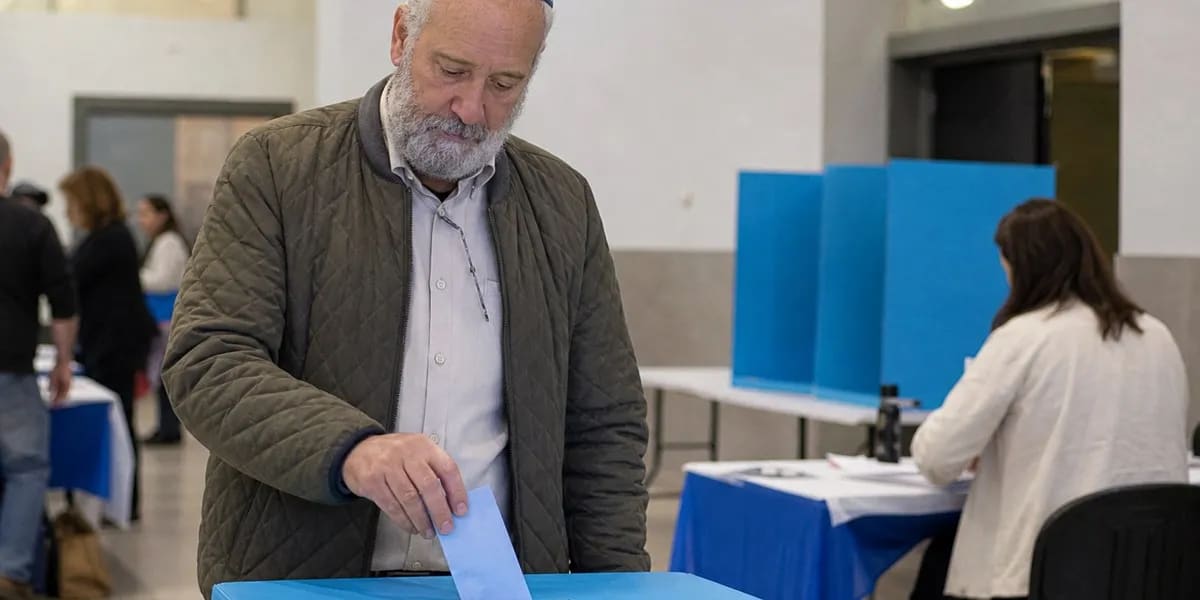
Voting remains compulsory for registered Tasmanians, conducted entirely by mail-in ballot. Papers arrive starting October 5, with counting beginning October 28.
The empty seats might seem concerning at first glance, but they reveal communities satisfied with their direction and leadership delivering on promises without drama.
More Images


Based on reporting by ABC Australia
This story was written by BrightWire based on verified news reports.
Spread the positivity!
Share this good news with someone who needs it