Teacher Walks Out of Hospital 48 Hours After Massive Stroke
When Todd Meiklejohn collapsed from a massive stroke, his nurse wife found him just in time. Thanks to her quick action and a 38-minute surgical response, he walked out of the hospital two days later and finished a 100-mile bike ride two months after that.
Todd Meiklejohn was getting ready for work on an August morning when a sudden, squeezing pain changed everything. The teacher and accomplished athlete collapsed, paralyzed on his right side, unable to see out of one eye.
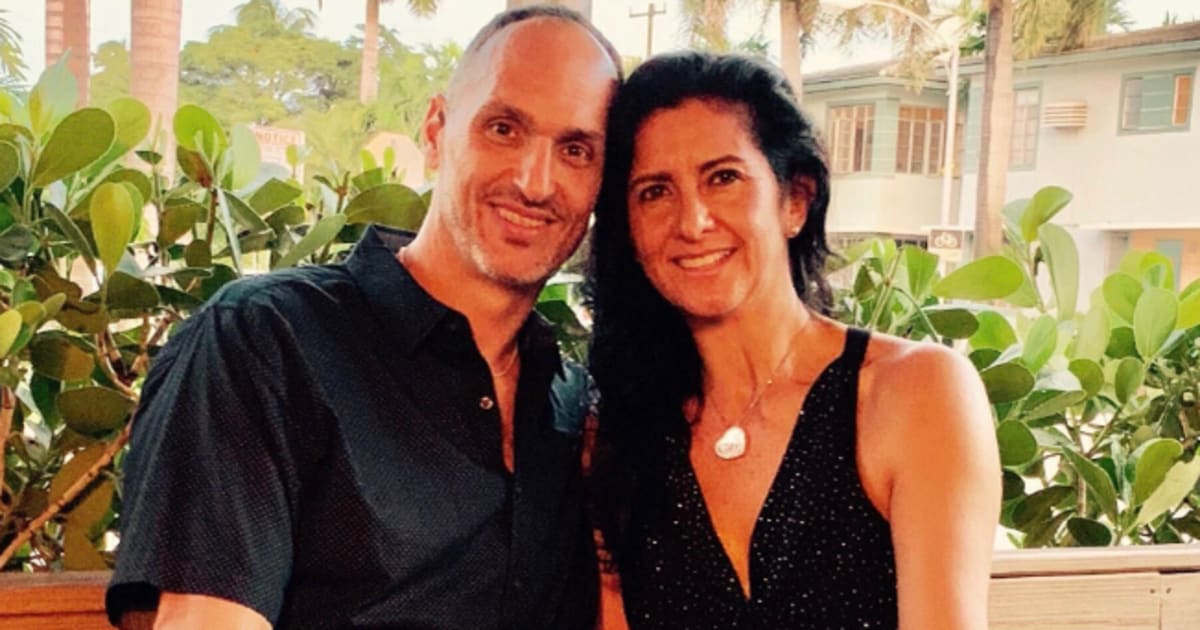
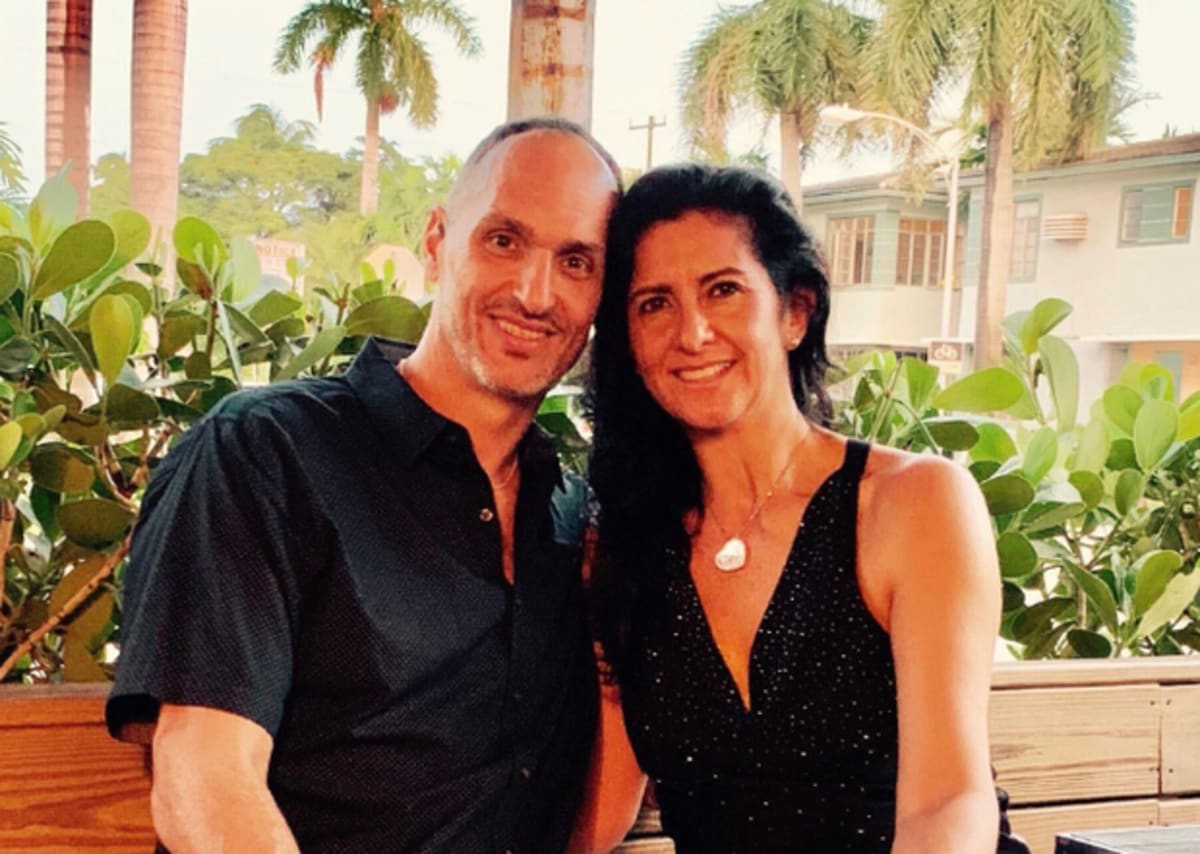
His wife, a nurse, found him on the floor 45 minutes later on her way to work. She called 911 immediately, setting in motion a chain of events that doctors would later call miraculous.
Meiklejohn was rushed to Miami Neuroscience Institute, where scans showed he was having a massive stroke. A blood clot had cut off oxygen to his brain, and every minute counted.
Dr. Guilherme Dabus, the interventional neuroradiologist on duty, knew the golden rule of stroke treatment: time is brain. The faster blood flow returns, the better the outcome.
The medical team performed a mechanical thrombectomy, threading a catheter through Meiklejohn's blood vessels to remove the clot. The procedure started just 38 minutes after the 911 call.
The speed made all the difference. Meiklejohn could speak and move his right side again shortly after surgery, with almost no permanent damage.
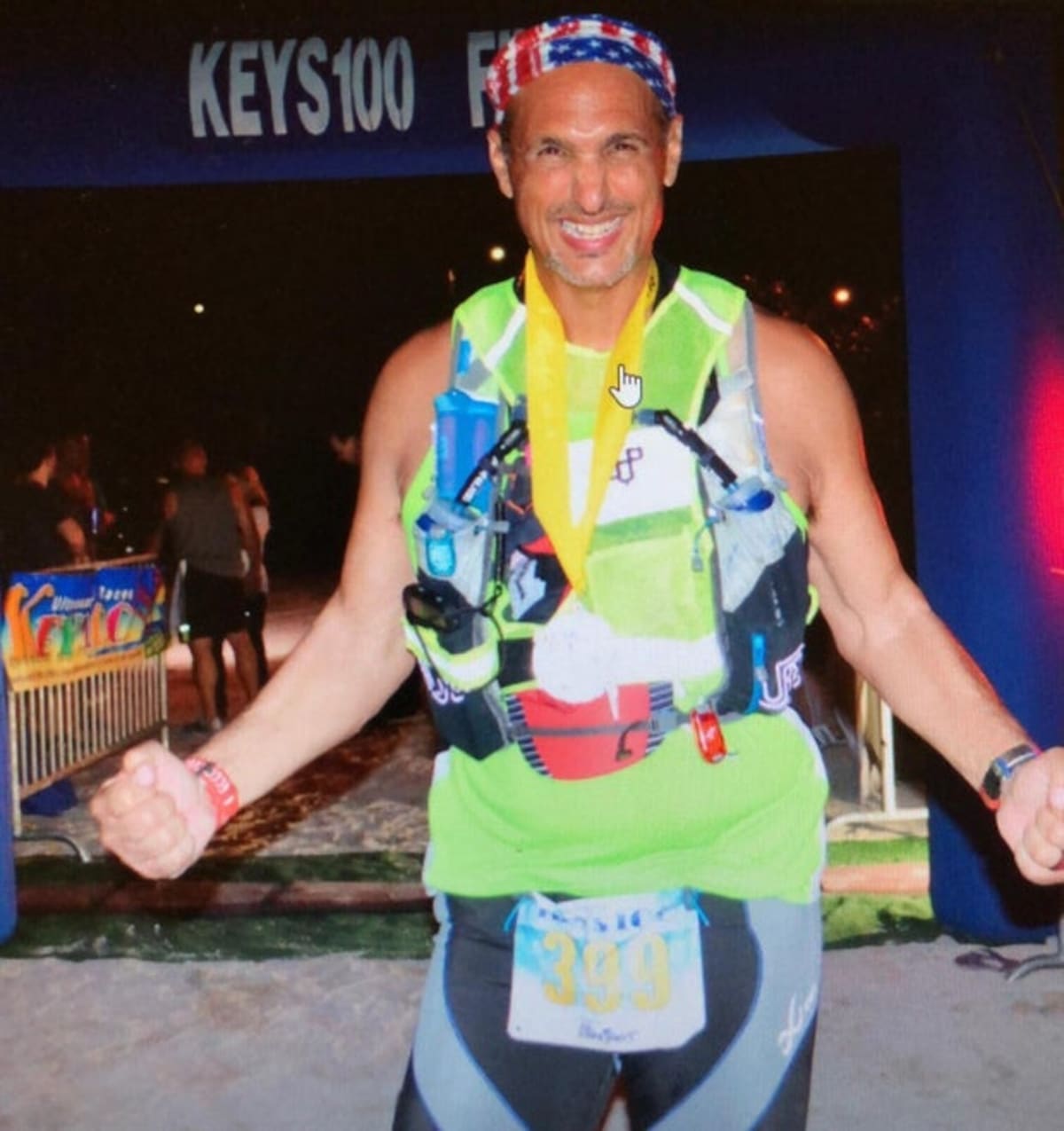
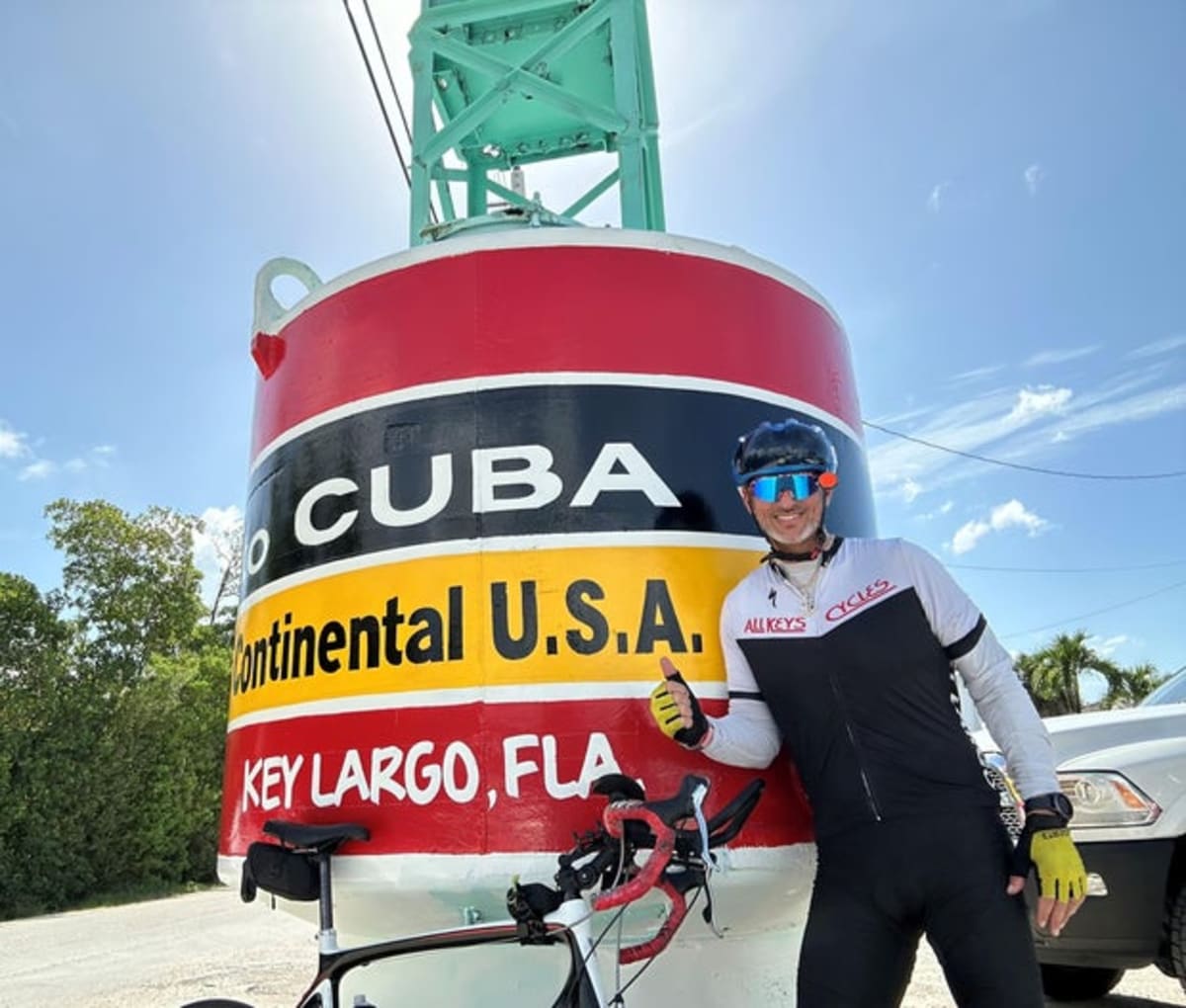
He left the hospital less than 48 hours after his stroke. Two months later, he completed a 100-mile bike ride.
Why This Inspires
Meiklejohn's recovery highlights a powerful truth about stroke treatment: rapid response saves lives and preserves quality of life. His wife's medical knowledge and quick thinking, combined with a fast-acting emergency system, turned a potentially devastating event into a success story.
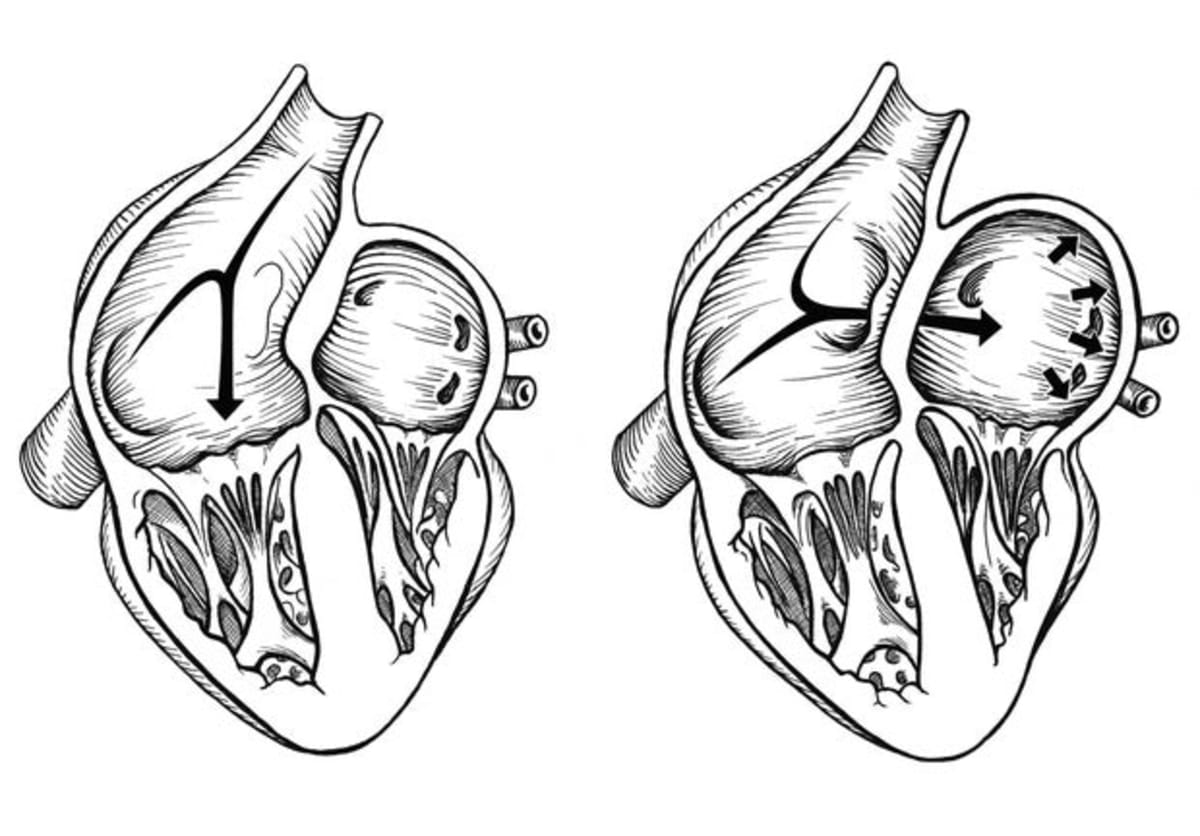
Doctors later discovered Meiklejohn had a rare heart defect called PFO, a small opening between heart chambers that affects 20 to 30% of adults. In extremely rare cases, it allows blood clots to reach the brain. A simple procedure closed the gap, reducing his future stroke risk to nearly zero.
The fit, healthy teacher in his mid-50s never suspected he was at risk. He returned to work four weeks after his stroke and now uses his experience to spread awareness.
Meiklejohn wants everyone to understand the signs of stroke and the importance of calling 911 immediately. His message is simple but powerful: fast action saves brains.
Now fully recovered, Meiklejohn monitors his health carefully but lives without fear. He knows how lucky he was that his wife came home when she did, that the hospital acted so quickly, and that modern medicine gave him his life back.
More Images
Based on reporting by Google News - Health
This story was written by BrightWire based on verified news reports.
Spread the positivity!
Share this good news with someone who needs it