Teachers Union Calls for AI Ban in Elementary Schools
The nation's second-largest teachers union is fighting to protect young students from AI in classrooms, demanding screen-free learning for the earliest grades. Their bold campaign could reshape how millions of children learn and grow.
America's teachers are standing up for their youngest students in a powerful new way.
The American Federation of Teachers, representing 1.7 million educators nationwide, just launched a major campaign to keep AI and tablets out of elementary classrooms. AFT President Randi Weingarten unveiled ten demands this week, with one clear message: the earliest years of school should stay human.
The campaign calls for an immediate ban on AI systems in elementary schools. It also asks for zero screen time for kids in pre-kindergarten through second grade and no AI chatbot companions for students under 16.
"The work of teaching and learning in the earliest grades should be done without AI," Weingarten told the New York Times. She's not asking for schools to toss out all technology, just to get the balance right for young learners.
The timing matters. Tech companies have been pushing schools hard to adopt AI systems, and many districts are saying yes. But new research shows this rush to digitize childhood learning comes with serious costs.
A year-long study from the Brookings Institution found that AI in education poses major risks to how children develop thinking skills and build friendships. That's especially concerning as more kids are choosing AI chatbots over real friends.
The Ripple Effect
When teachers speak up for kids, entire communities listen. This campaign could protect millions of students from becoming test subjects in an unproven experiment with their futures.
The AFT's push also gives parents powerful backup. Many families have felt alone in worrying about screens and AI replacing real teaching, but now the experts who spend every day with their children are saying those concerns are valid.
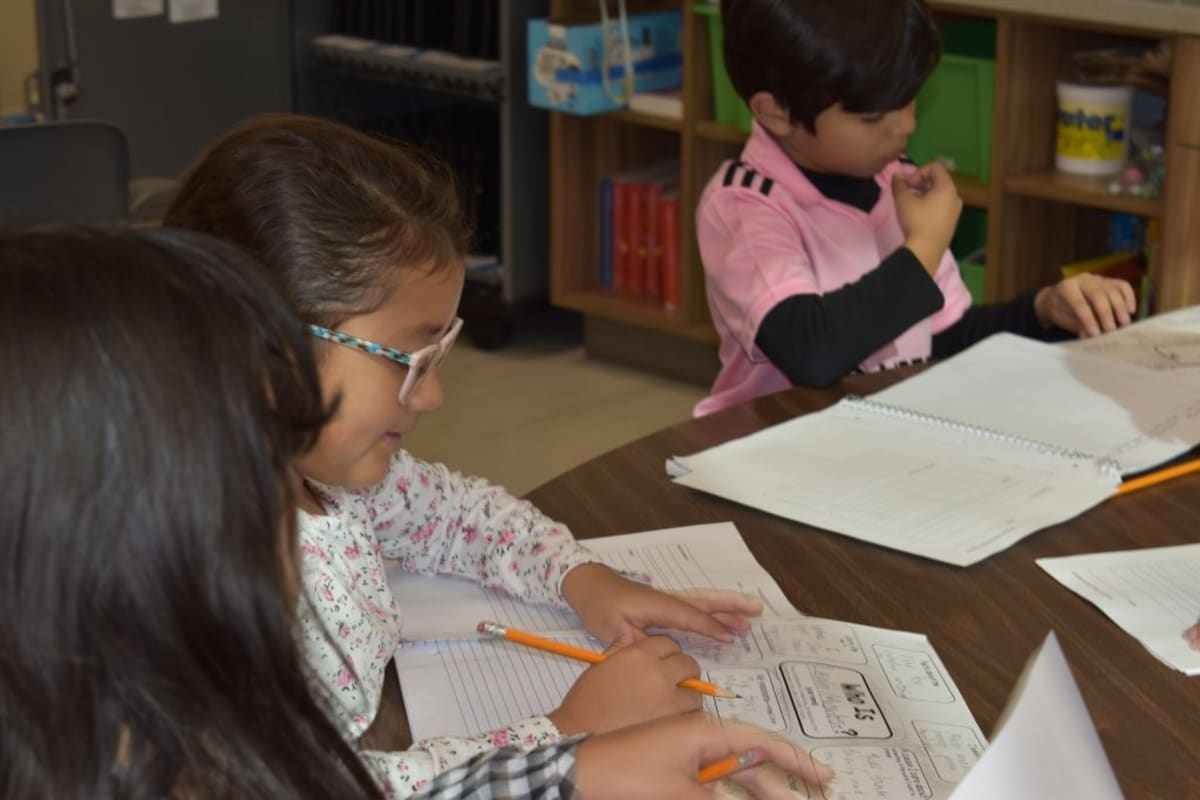
Schools that heed this call will create classrooms where kids learn through play, conversation, and hands-on exploration. They'll build social skills through actual interaction, not through typing at a screen. Research consistently shows these human-centered approaches work best for young brains still forming crucial connections.
The campaign represents something bigger too: a chance to prove that progress doesn't mean automating childhood. Real innovation in education looks like well-supported teachers using their expertise to help each student thrive.
Teachers know their students best, and they're using that knowledge to draw a line in the sand for the kids who need protection most.
More Images

Based on reporting by Futurism
This story was written by BrightWire based on verified news reports.
Spread the positivity!
Share this good news with someone who needs it