Team USA Wins 15+ Medals Without Toxic 'Forever Chemicals
American skiers just made history at the Milan-Cortina Olympics, winning more medals than ever before without using toxic PFAS waxes that dominated the sport for 40 years. The success proves world-class athletes can win clean.
For the first time in Olympic history, skiers and snowboarders competed without fluorinated waxes containing PFAS, the notorious "forever chemicals" linked to cancer and developmental problems. Team USA didn't just survive the change—they thrived, earning more than 15 medals with two days still remaining.
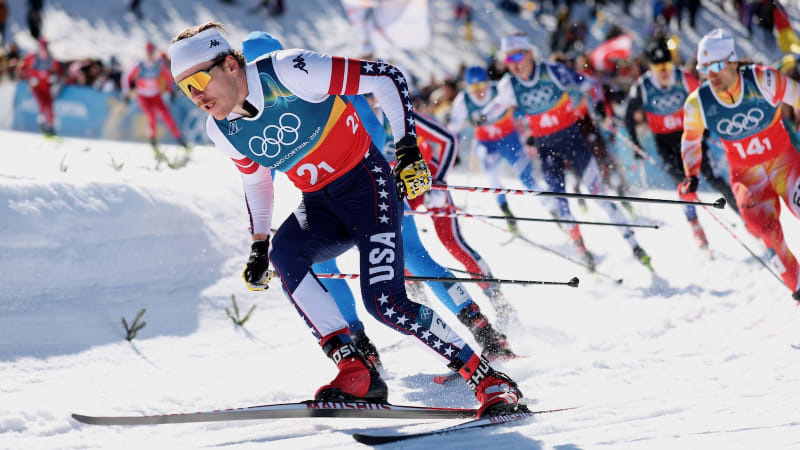
The wins are particularly sweet for the cross-country ski team. Ben Ogden broke a 50-year American medal drought in men's cross-country when he took silver in the classic sprint, then grabbed another silver just five days later with teammate Gus Schumacher in the team sprint. The team's three-medal haul is the largest in U.S. cross-country skiing history.
Since the 1980s, elite snow sports have depended on fluoro waxes for their "ridiculous speed advantage," as former racer Nathan Schultz described it. These waxes excel at repelling water and dirt, making them especially powerful in warm or wet conditions. But they contain PFAS chemicals that never break down in the environment or human body.
The International Ski and Snowboard Federation banned the waxes in 2023 after years of growing health concerns. Milan-Cortina became the first Olympics where the ban truly mattered, forcing teams to completely rethink their approach to ski selection, base grinding, and race-day strategy.
"These have been some of the trickiest three weeks of waxing I've experienced," said Chris Hecker, ski technician for gold medalist Gus Schumacher. Every weather variable now matters more: precipitation, sun exposure, humidity, even single-degree temperature shifts influence which skis and waxes perform best.
Without fluorinated waxes as the "great equalizer," success depends more heavily on choosing the right equipment from the dozens or even hundreds of ski pairs elite racers travel with. The margin for error shrinks when conditions change from rainy to sunny to snowy within days.
Tanner Keim, ski tech for the U.S. free ski team, admitted he would have felt "a little bit more confident with the fluoros" during the warm, humid Italian conditions. His athletes still earned two silver medals. After years of testing and adjustment, teams have adapted to the new materials remarkably well.
The Ripple Effect
The ban isn't just theoretical. Three athletes have already been disqualified for violating it: two South Korean Nordic skiers and one Japanese snowboarder. All claim they accidentally used contaminated wax, and South Korea's ski association says fluoride was detected in what was supposedly fluoride-free wax, highlighting ongoing contamination challenges.
But the medals tell the real story. Mikaela Shiffrin won gold in alpine slalom. Chloe Kim took silver in halfpipe. Jessie Diggins powered through a bruised rib to claim Nordic bronze. All without the chemicals that once seemed essential.
With two competition days remaining, including the grueling 50-kilometer ski marathon, Team USA continues proving that protecting athlete health and winning medals aren't mutually exclusive goals. After his second podium finish, Ben Ogden grinned with two silver medals hanging from his neck and said he definitely doesn't expect another 50-year wait for American success.
More Images




Based on reporting by Grist
This story was written by BrightWire based on verified news reports.
Spread the positivity!
Share this good news with someone who needs it