Tech Founders Build Companies to Fight Loneliness Epidemic
Successful entrepreneurs who sold their first companies for millions are launching new ventures with an unusual mission: bringing people together in person. Their bet on human connection comes as loneliness affects one in six people worldwide.
Two founders who already sold companies for hundreds of millions of dollars are starting over with a surprising goal: getting people off screens and into the same room.
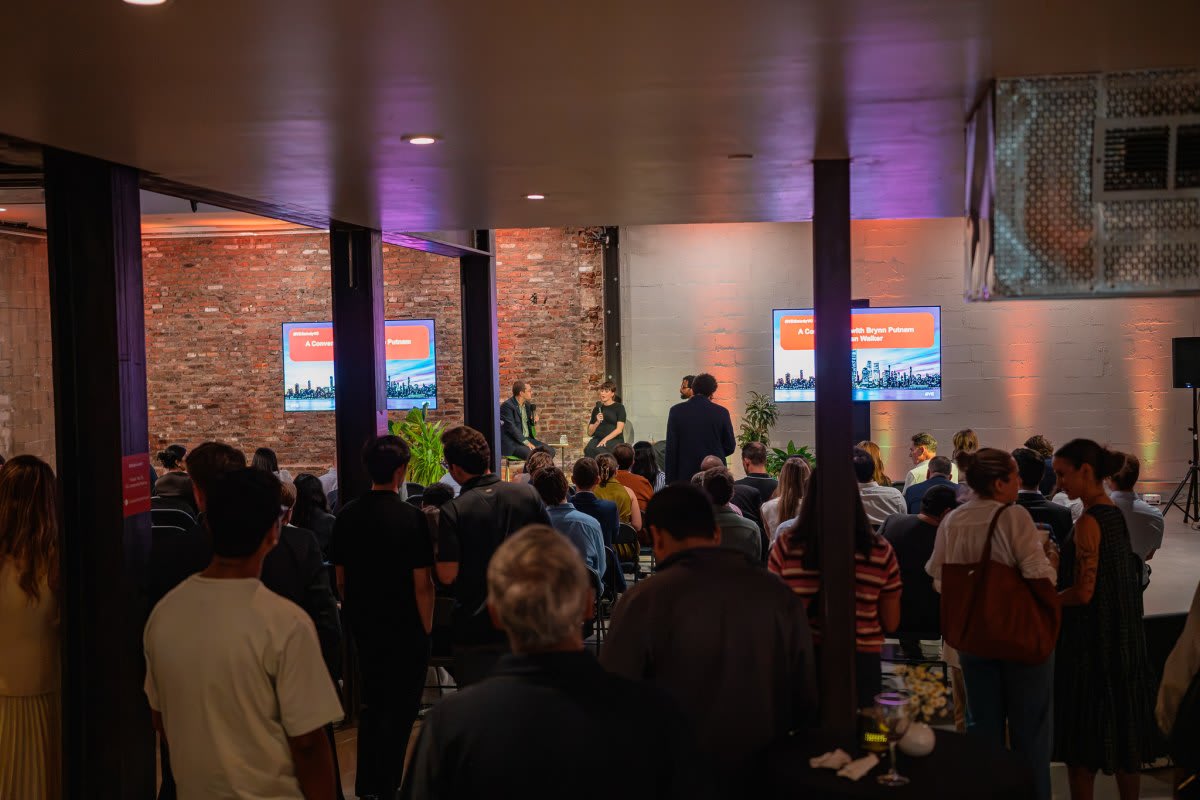
Brynn Putnam sold her fitness company Mirror to Lululemon for $500 million. Tristan Walker sold his grooming brand to Procter & Gamble for up to $40 million. Now they're both building businesses designed to fight isolation.
Putnam's new company, Board, makes a 24-inch touchscreen table that recognizes physical game pieces. The key difference from her last venture? It's built for groups sitting together, not solo users staring at screens. As a mother in a blended family of seven, she wanted something that let a child and grandparent play together without complicated controllers.
Walker is taking a completely different approach with Heirloom Craft. He's buying fine-craft trade schools, starting with a San Francisco leatherworking school founded by Hermès's first American artisan. His worry about AI "stealing knowledge work" drove him to create spaces where masters teach apprentices face to face.
They're not alone in this shift. Bonobos founder Andy Dunn built Pie, a "social life operating system" anchored by Community Homes for run clubs and watch parties. Audrey Gelman, previously of the Wing, now runs a Hudson Valley inn hosting murder mystery dinners where strangers routinely swap numbers and linger past midnight.
The Ripple Effect
The timing reflects a growing crisis. Last June, the World Health Organization officially classified loneliness as a global health challenge, estimating it affects one in six people worldwide and contributes to roughly 870,000 deaths annually.
But there's also a market shift happening. A recent Harris Poll found two-thirds of Americans now prioritize experiences over material purchases. The same percentage said retail shopping feels too generic today.
Walker sees another trend driving the opportunity: roughly half of Gen Z and Gen Alpha say they don't want a four-year college degree. For 50 years, America broke the chain from master to apprentice by offshoring production and stripping prestige from manual skills. He's betting that chain is rebuilding.
These founders aren't just chasing a trend—they're addressing what technology took away while using new tools to bring it back.
More Images


Based on reporting by TechCrunch
This story was written by BrightWire based on verified news reports.
Spread the positivity!
Share this good news with someone who needs it