Tech Giants Fund 131K Tons of Carbon Removal in Appalachia
Google, Meta, and McKinsey just signed a major deal to remove over 131,000 tons of carbon by replanting forests on abandoned mines and degraded farmland across Appalachia. The project turns environmental wastelands into thriving ecosystems while creating jobs in rural communities.
Three tech powerhouses are turning Appalachia's scarred landscapes into carbon-capturing forests, proving that yesterday's environmental damage can become tomorrow's climate solution.
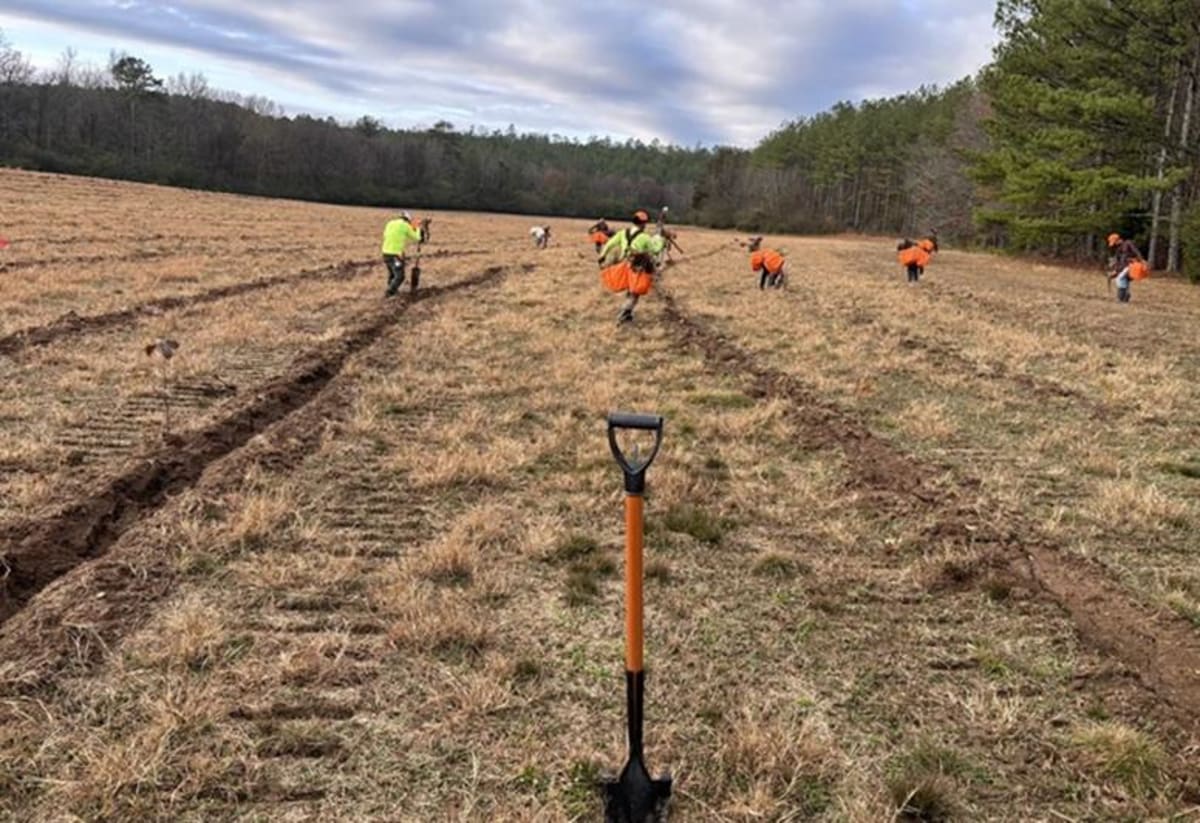
Google, Meta, and McKinsey signed agreements with Living Carbon to fund reforestation projects that will remove 131,240 tons of carbon dioxide over the next decade. The initiative targets abandoned mines and worn-out farmland across the Appalachian region, transforming environmental liabilities into productive forests.
The deal came through the Symbiosis Coalition, a partnership launched in 2024 by major tech companies committed to purchasing 20 million tons of carbon removal credits by 2030. That collective buying power sends a clear message to the market: high-quality restoration projects have eager customers waiting.
Living Carbon specializes in site-specific reforestation that matches native tree species to each location's unique conditions. The California-based company carefully evaluates soil quality, water availability, and local ecosystems before planting begins.
The Ripple Effect
Beyond storing carbon, these new forests are breathing life back into struggling communities. The projects improve soil and water quality, create habitats for native wildlife, and generate economic opportunities in areas that desperately need them.
Local communities in Appalachia stand to benefit from jobs in planting, maintenance, and monitoring. The reintroduction of native species will restore habitats that have been missing for decades, welcoming back birds, pollinators, and other wildlife that depend on healthy forests.
The project underwent rigorous vetting including field inspections, satellite analysis, and third-party technical reviews. Symbiosis Coalition evaluates every project on five quality markers: conservative accounting, durability, community benefits, ecological integrity, and transparency.
Julia Strong, Executive Director of Symbiosis Coalition, emphasized that successful nature-based carbon removal requires both strong science and solid execution. Living Carbon's approach stood out for its rigor and community-focused design.
This marks the second project announced under Symbiosis' first request for proposals, which focuses specifically on reforestation and agroforestry. Together, these initial projects will deliver over 500,000 tons of carbon removal over ten years.
CEO Maddie Hall explained that multi-year agreements provide the financial confidence needed to invest in scaling high-quality carbon removal. Living Carbon exists specifically to transform degraded lands into productive carbon sinks that deliver measurable environmental and social benefits alongside climate action.
The Appalachian forests will take years to mature, but they represent something bigger: proof that tech money and scientific rigor can heal landscapes while fighting climate change.
More Images



Based on reporting by Google News - Reforestation
This story was written by BrightWire based on verified news reports.
Spread the positivity!
Share this good news with someone who needs it