Technion Grads Built Tech That Now Protects Their Campus
The Israeli university defended by missile systems its own graduates developed is preparing the next generation for an AI-powered future. Prof. Uri Sivan says the real challenge ahead isn't technological at all.
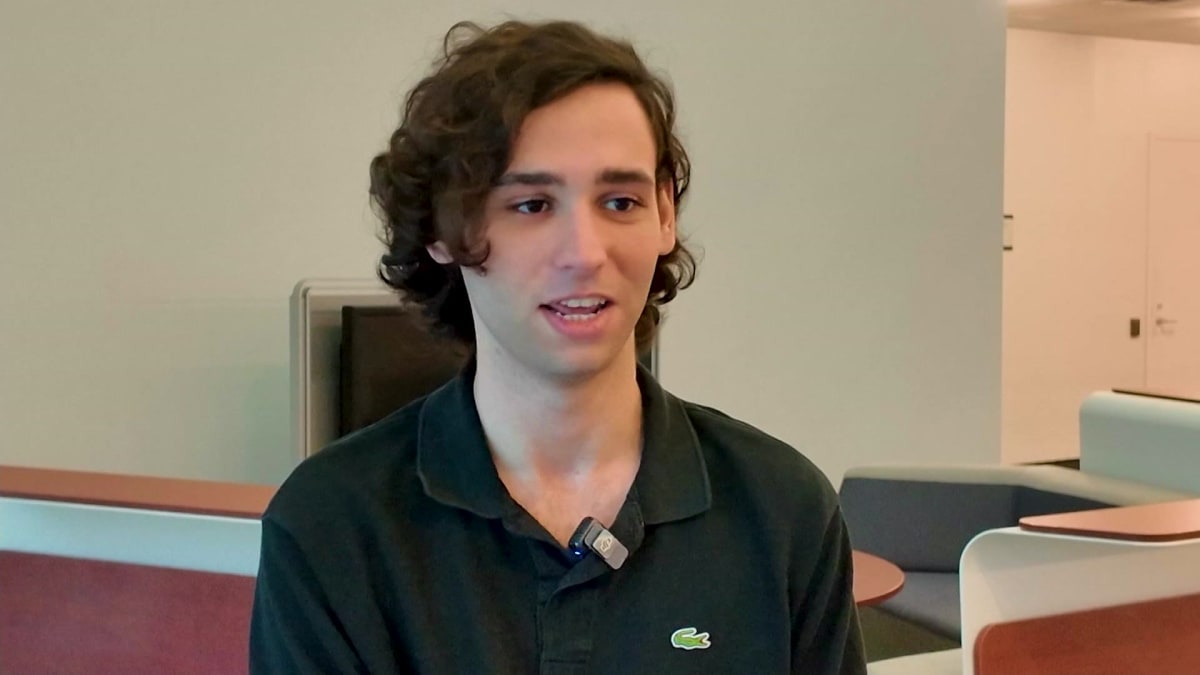
When intercepted missile debris fell on Technion's Haifa campus, university president Prof. Uri Sivan had a striking realization while walking through the grounds. His institution was being protected by technology developed by its own graduates.
"We are certainly the only university globally being defended by technology developed by its own graduates," Sivan told Ynet Global. That moment crystallized something deeper about Israeli resilience and the sense of mission driving the country's academic institutions.
For over a century, the Technion has shaped Israel's science and engineering landscape. Despite war and extraordinary pressure, both Israeli academia and high-tech have continued to innovate and develop new solutions.
Sivan believes the key to future success isn't predicting the next breakthrough. It's building foundations that allow breakthroughs to happen naturally.
The Technion invested early in semiconductors, aerospace, nanotechnology, and quantum technologies. Now that same long-term philosophy guides how they educate students.
"We don't train them for the first job," Sivan explained. "We train them for a lifetime career." Rather than teaching the latest software, the university emphasizes mathematics, physics, engineering, and problem-solving abilities that endure.
This approach matters even more as artificial intelligence reshapes how humans think and learn. Sivan sees AI as fundamentally different from previous technological revolutions because it touches the core of human existence: knowledge and thought itself.
"What does it mean to know something if everything man knows is just one prompt away?" he asked. The risk is that instant access to answers could change how people think, potentially outsourcing not just tasks but human reasoning itself.
Yet Sivan remains excited about the irreplaceable joy of discovery. He recalled a PhD student who finally solved a year-long problem alone in the lab at 4 a.m., realizing he was the only person in the world who knew that answer at that moment.
"Those eureka moments are indispensable," Sivan said.
Why This Inspires
Technology serves society, not the other way around. That's Sivan's core belief as Israel enters a new year facing deep internal divisions.
"The major challenges we're facing are actually societal ones," he said. "We are being torn apart by division." His message to students, scientists, and the wider country emphasizes that knowledge must ultimately benefit everyone.
His Rosh Hashanah wish reflects what the Technion has always represented: finding ways to live together despite disagreement and focusing on shared challenges.
Israel's greatest breakthrough may not come from a lab at all, but from remembering what its people have in common.
Based on reporting by Google News - Israel Technology
This story was written by BrightWire based on verified news reports.
Spread the positivity!
Share this good news with someone who needs it