Ted Turner's 558,000-Acre Reserve Celebrates 30 Years
Three decades ago, Ted Turner bought a scarred piece of New Mexico wilderness and bet that nature could heal. Today, Vermejo stands as living proof that conservation and luxury travel can work together to restore the wild.
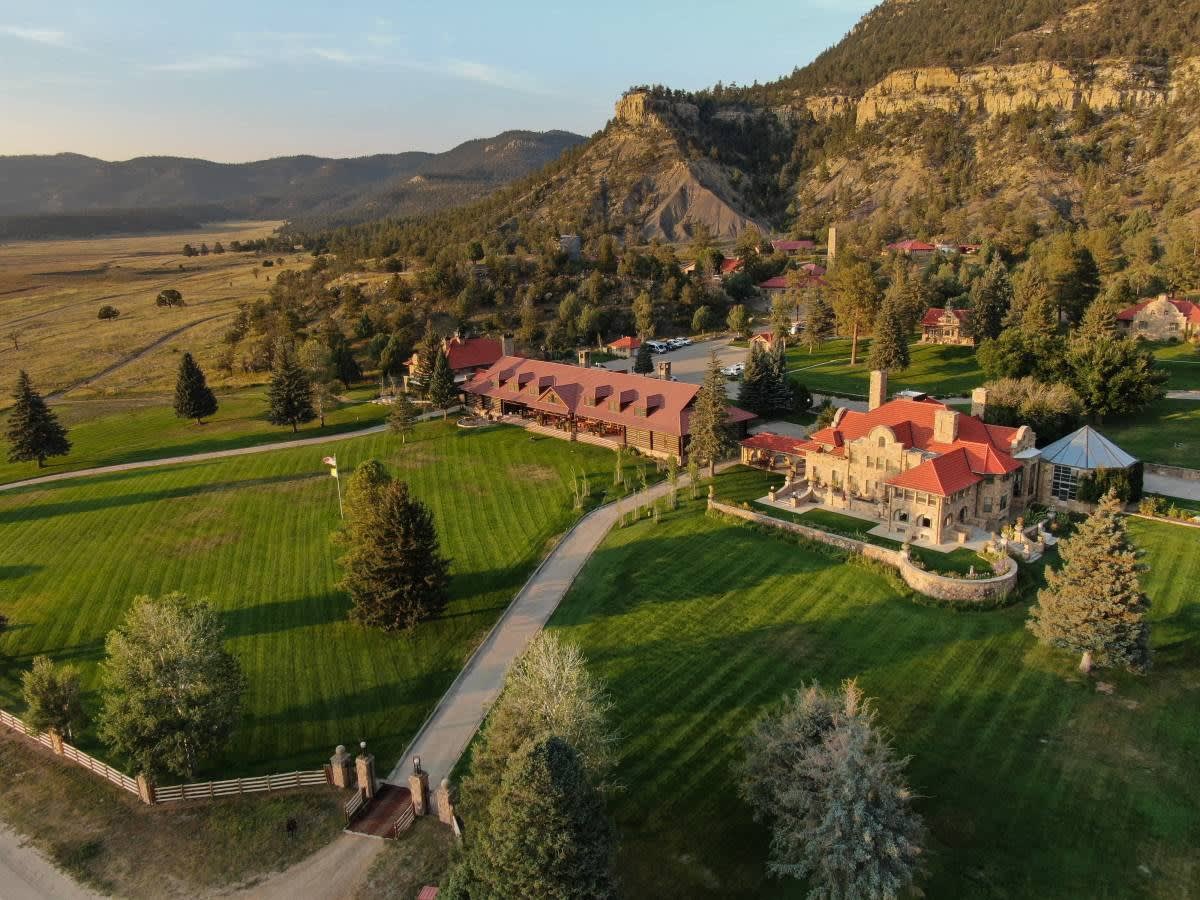
When Ted Turner purchased 558,000 acres of damaged New Mexico land in 1996, the property bore the scars of intensive mining, logging, and overgrazing. Thirty years later, Vermejo has become the largest privately owned contiguous tract in the United States and a thriving model for how guest dollars can directly fund wildlife recovery.
The transformation runs deep. Where streams once ran dry or polluted, 60 miles of restored waterways now support native Rio Grande cutthroat trout across 18 lakes. Beavers have naturally returned to stabilized banks protected by riparian exclosures.
The reserve now protects one of the most genetically pure American bison herds left in the country, with over 1,200 animals roaming the Castle Rock herd. Scientists have documented more than 1,000 native plant species on the property, including two entirely new to science.
To mark the milestone, Vermejo will host a four-day celebration from September 25-28. Guests can join guided conservation tours, hike to "Save Everything Point," and explore a before-and-after exhibit inside the historic Casa Grande mansion showcasing the land's recovery.
The property has treated 50,000 forested acres through ecological thinning and prescribed fire to reduce wildfire risk and restore natural savannas. Revenue from stays at the LEED Silver-certified Costilla Lodge funds the on-site team of wildlife biologists year-round.
"When Ted bought this land thirty years ago, he saw what the land was capable of becoming if we gave it a chance to heal," said Jade McBride, President of Ted Turner Reserves. The reserve also partners with Native American tribal leaders to keep Indigenous stewardship traditions alive on the land.
The Ripple Effect
Vermejo proves that protecting wild places doesn't require choosing between nature and people. The reserve's model shows luxury hospitality can become the funding engine for serious ecological restoration, creating a blueprint other properties can follow.
By welcoming guests who pay for adventure while directly supporting habitat recovery, Vermejo demonstrates conservation can sustain itself financially. The approach has inspired similar efforts across Ted Turner Reserves' 1.1 million acres in New Mexico.
What started as one person's vision to "save everything" has become a living laboratory where visitors witness firsthand how damaged land can return to wildness when given support, time, and science-based care.
Based on reporting by Google News - Conservation Success
This story was written by BrightWire based on verified news reports.
Spread the positivity!
Share this good news with someone who needs it