Teen Builds AI App That's Fixing Delhi's Deadly Potholes
After his parents crashed their motorcycle on a poorly maintained road, 15-year-old Parth built an AI platform that gets potholes repaired faster than government systems. His app has turned citizen frustration into real road repairs across Delhi.
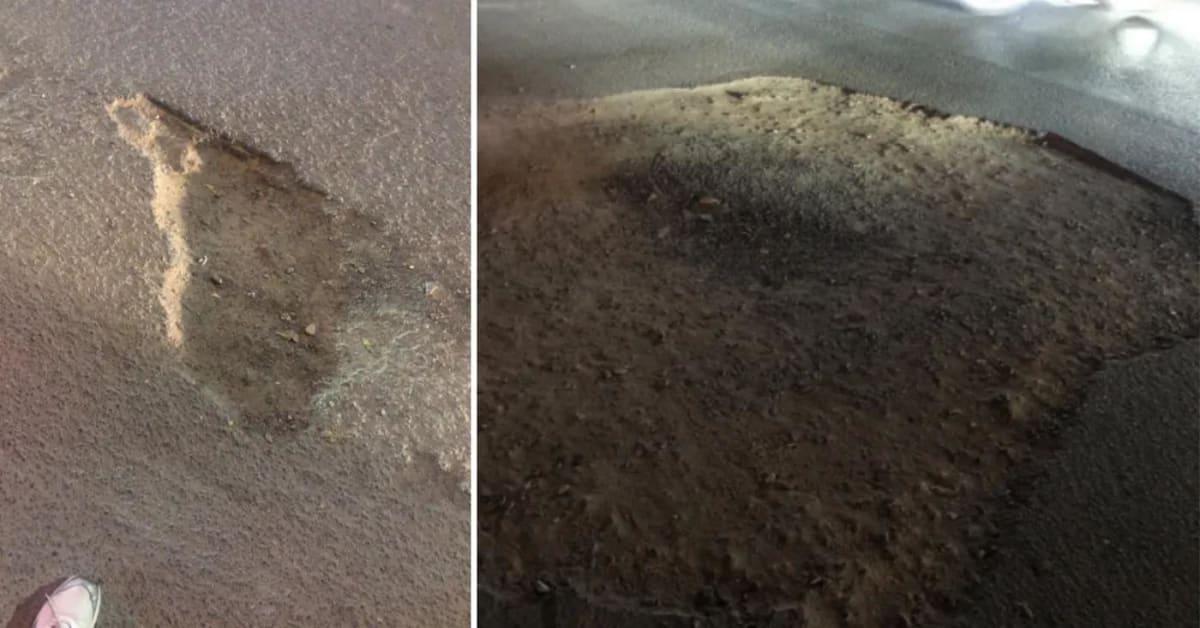
When Parth's parents crashed their motorcycle on an unfinished construction site while riding home from a family celebration, the Delhi teenager could have simply counted his blessings that they weren't seriously hurt. Instead, he wrote code that's solving a problem that kills 20,000 Indians every year.
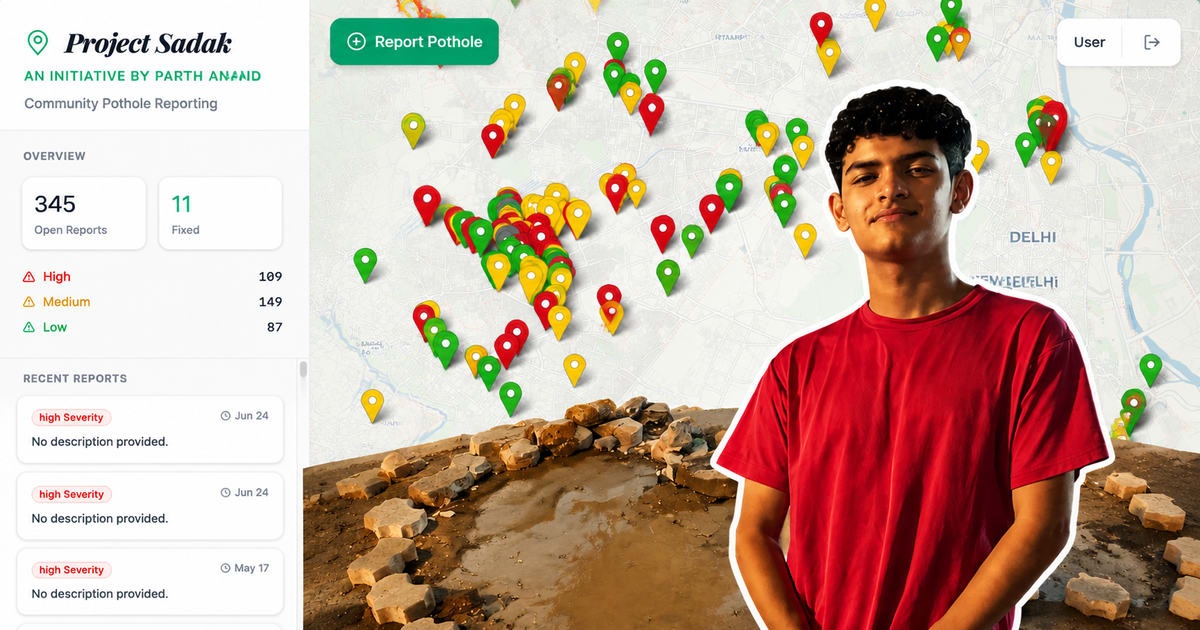
The 15-year-old Class 11 student at Saint Francis School spent January 2026 building Project Sadak, an AI-powered platform that helps citizens report potholes and actually gets them fixed. What started as one frustrated teenager writing code alone has become something government systems with far more resources haven't managed to achieve: accountability.
Parth first tried the official route, downloading Delhi's Municipal Corporation app to report potholes himself. The wait times shocked him. "It takes three to four months before you get a reply," he discovered. "By the time authorities respond, the monsoon may have made it worse, or more accidents may already have occurred."
So he built something better from scratch. By mid-February, Project Sadak was live.
The platform's elegance lies in its simplicity. Citizens upload photos of potholes, and AI immediately analyzes whether the image is legitimate, filtering out spam before it clogs the system. If confirmed, the report goes live instantly. If uncertain, it gets flagged for human review.
Users classify severity as high, medium or low, but Parth didn't stop there. His small team verifies each report to ensure accuracy, adding a layer of quality control that makes the data impossible for authorities to dismiss.
The Ripple Effect
What happens next separates Project Sadak from every well-intentioned government app gathering digital dust. Once a report clears verification, Parth's automated system contacts the relevant authorities directly, creating pressure that passive databases never generate.
The results speak louder than any mission statement. Potholes reported through Project Sadak are getting fixed, and they're getting fixed faster than through official channels that were designed specifically for this purpose.
Parth isn't spending his teenage years the way most do. While juggling physics, chemistry, math and computer science coursework, he's preparing to present a research paper at the Society for Study of Artificial Intelligence in the UK this July. His technical skills could have stayed focused on abstract, university-admission-impressing projects.
But personal experience redirected those abilities toward solving a problem he could see and touch. The gap between what existed and what was needed became impossible to ignore. Government systems weren't failing because the technology didn't exist, but because of absent accountability and broken follow-through.
One teenager with a laptop proved that the tools to fix India's infrastructure problems have been available all along. Sometimes it just takes someone who refuses to accept that nothing will change.
More Images
.png)
%2Fenglish-betterindia%2Fmedia%2Fmedia_files%2F2026%2F06%2F29%2F1-2026-06-29-11-18-08.png)

Based on reporting by The Better India
This story was written by BrightWire based on verified news reports.
Spread the positivity!
Share this good news with someone who needs it