Teen Saves Bolivian Town by Reviving Ancient Water System
When a 2022 drought drained his town's only reservoir, 16-year-old Rolando Ágreda had already restored eight traditional spring-fed pools that became the community's lifeline. His youth-led project is now part of a global movement proving ancient Indigenous water systems can solve modern climate challenges.
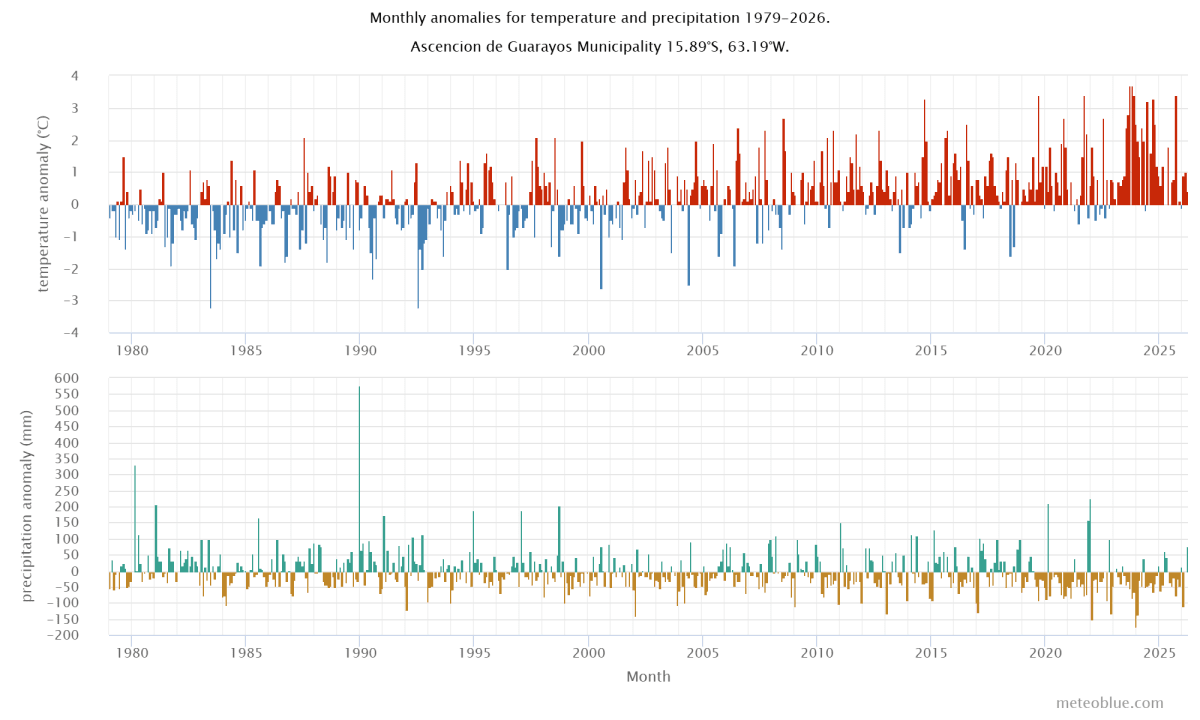
When the municipal reservoir ran dry in Ascensión de Guarayos, Bolivia, thousands of residents had nowhere to turn for water except the places they'd almost forgotten.
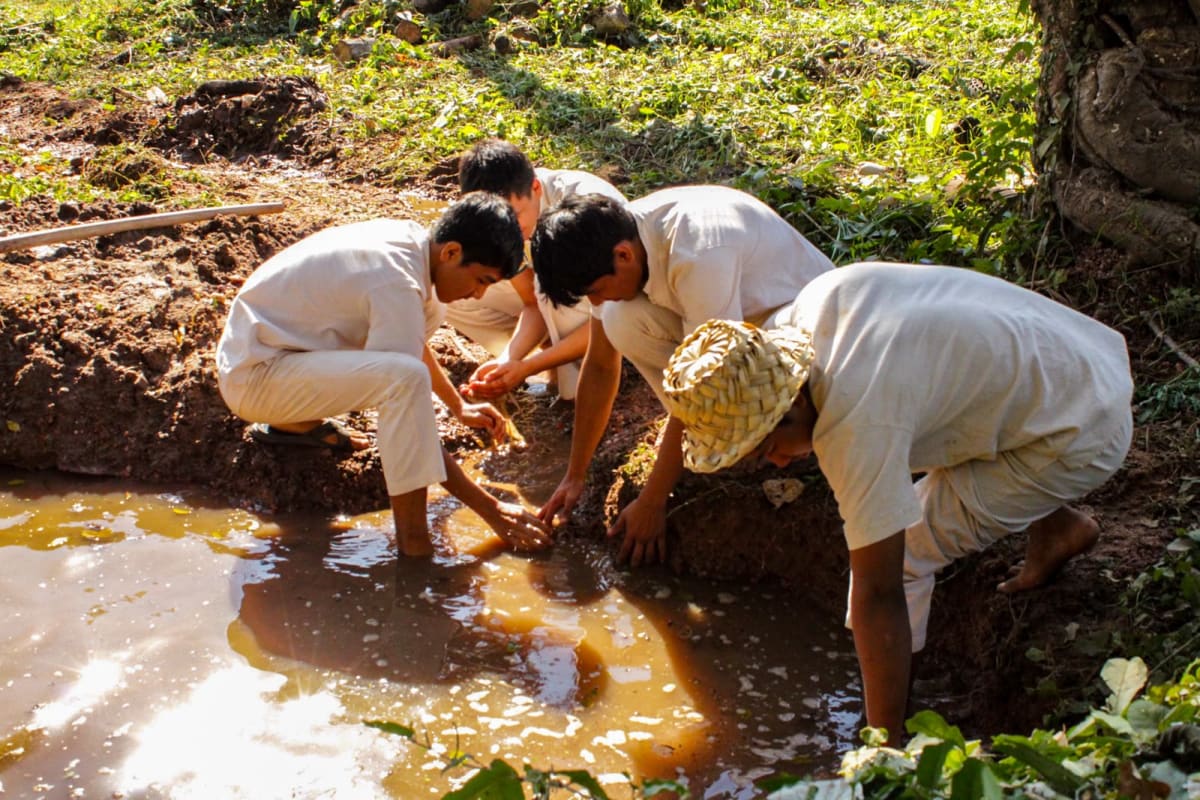
Months earlier, 16-year-old Rolando Ágreda noticed something troubling. The spring-fed pools called paúros that he'd visited since childhood were disappearing under overgrown grass and trash. Only three of his 28 classmates even knew these traditional water sources existed.
The Guarayú Indigenous People who settled the area centuries ago had built and maintained these natural pools for generations. But modern water infrastructure and urbanization had pushed the ancient knowledge aside.
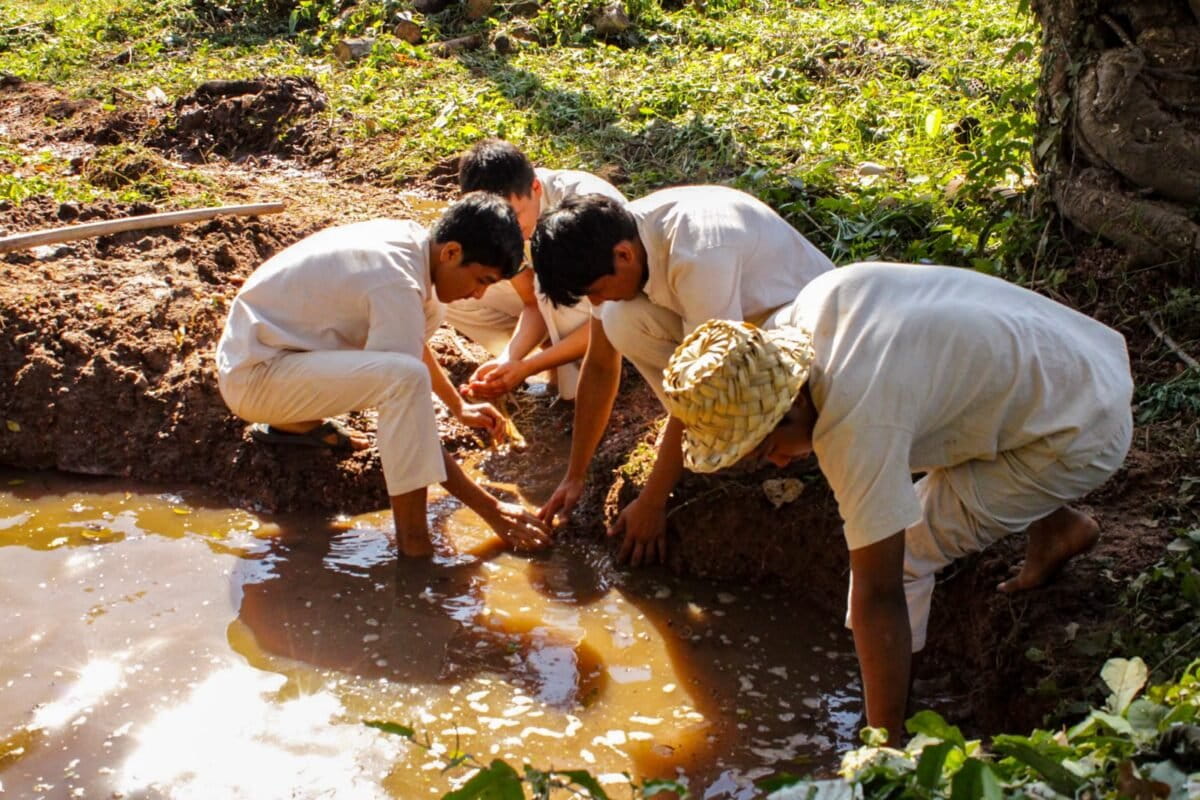
Ágreda convinced his teachers to help launch a districtwide competition in spring 2022. Students located forgotten paúros, cleared vegetation from the walls so water could filter through, and removed years of accumulated trash. By June, they had restored eight pools across the municipality.
Three months later, the project transformed from a school activity into a survival tool. When the town's reservoir went completely dry in September 2022, residents flocked to the newly restored paúros for water. "Instead of waiting for the municipality to solve it, people went to the paúros," Ágreda remembers.
Today, Ágreda runs MAPEKO, a collective dedicated to climate adaptation through paúro conservation. The initiative has grown to include a legally protected urban ecological corridor.
The Ripple Effect
Ascensión de Guarayos is riding a global wave. Indigenous water systems are making comebacks worldwide as communities face intensifying droughts and floods.
These traditional approaches typically cost less than modern infrastructure and adapt better to extreme weather. They capture rainwater during storms and store groundwater during droughts. "After a long period of decline, we're starting to revitalize," says Musaed Aklan, a senior water researcher at the Sana'a Center for Strategic Studies.
Across the Andes, communities are restoring raised fields, communal reservoirs, and managed wetlands. The systems vary by region, but the principle stays constant: work with local conditions using accumulated knowledge passed down through generations.
The United Nations declared 2026 an era of "global water bankruptcy," but Bolivia's youth are writing a different story. Ágreda's project proves that sometimes the best solutions for tomorrow's problems are the ones our ancestors already figured out.
More Images
Based on reporting by Mongabay
This story was written by BrightWire based on verified news reports.
Spread the positivity!
Share this good news with someone who needs it