Telemedicine Saves Patients $400 Per Visit, Study Finds
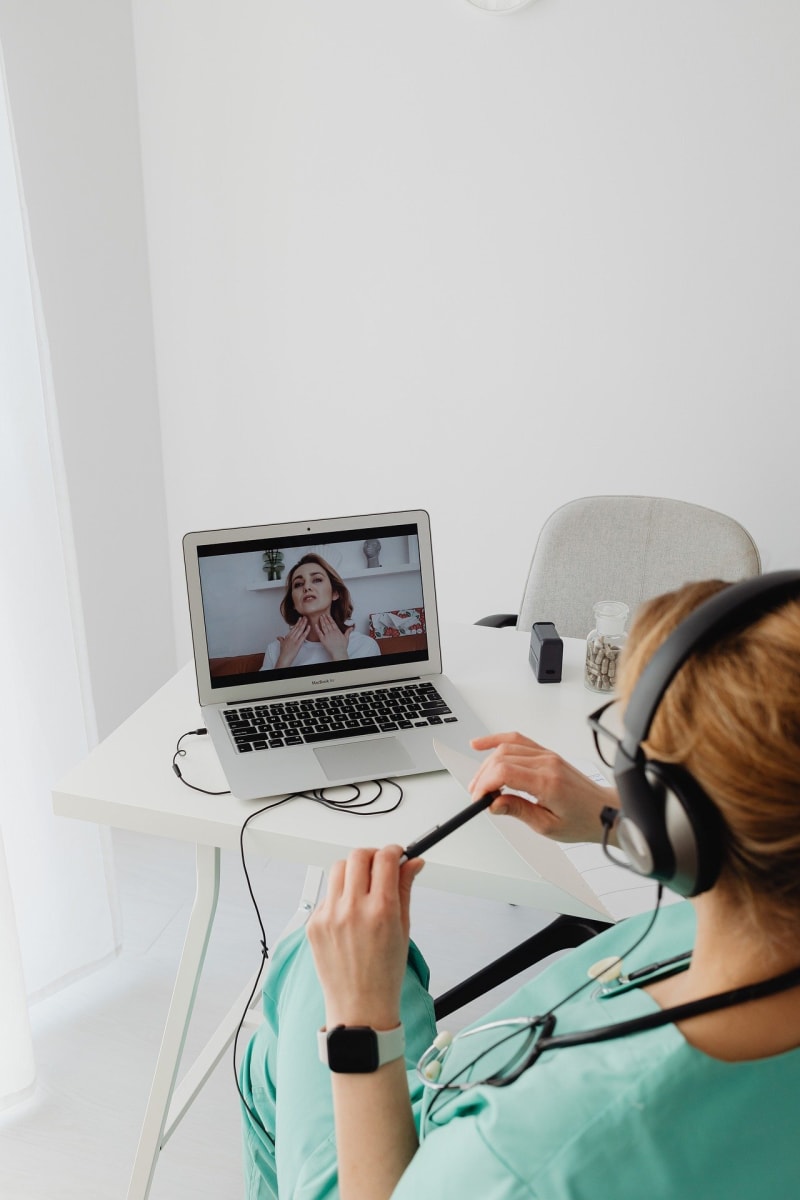
A new University of Pennsylvania study reveals telemedicine appointments cost five times less than in-person visits for common conditions, with patients needing fewer follow-ups. This isn't just about convenience anymore—it's about making healthcare more affordable and accessible for everyone.
Healthcare just got more affordable, and the solution has been right at our fingertips all along.
Researchers at the University of Pennsylvania's Perelman School of Medicine analyzed over 160,000 patient visits and found something remarkable. Telemedicine appointments cost an average of $96 per episode of care, while in-person visits rang up at $509. That's a $400 difference that stays in patients' pockets.
The news gets even better. Patients who started with telemedicine needed just over three follow-up visits on average, compared to more than four for those who began with in-person care. This means telemedicine isn't just a quick fix that pushes problems down the road—it's actually solving health issues effectively.
"Before we did this study, there was a common concern that telemedicine might serve only as an easy source of 'first aid,' just delaying in-person care and increasing costs overall," said Dr. David Asch, one of the study's senior authors. "But we found that wasn't true."
The research, published in JAMA Network Open, looked at ten common conditions including COVID-19, respiratory symptoms, anxiety, and sleep disorders over a four-month period in 2024. Researchers tracked each case from seven days before the initial visit through 30 days afterward to capture the full picture of care and costs.
For respiratory symptoms specifically, telemedicine appointments saved patients roughly $800 on average. The researchers carefully matched similar patients across both visit types, meaning these savings came from the method of care itself, not just treating less serious cases remotely.
Telemedicine exploded during the pandemic, with Penn Medicine conducting a million virtual visits from March 2020 through February 2021—a 90-fold increase from the previous year. Today, even as life has returned to normal, telemedicine still accounts for 4 to 6% of all healthcare visits at the five University of Pennsylvania Health System hospitals studied.
The Ripple Effect
This research shows what's possible when healthcare systems invest in telemedicine as a core service, not just a backup option. Penn Medicine now operates a centralized telemedicine service called Penn Medicine OnDemand, making after-hours care more accessible to everyone.
The cost savings extend beyond individual wallets. Lower healthcare costs mean reduced insurance premiums, less financial stress for families, and more people seeking care when they need it instead of delaying treatment due to expense concerns.
Even for mental and behavioral health, where continuity of care is crucial, telemedicine held its own. Episode charges were comparable to in-person visits, yet patients still needed fewer follow-up appointments. Many psychiatric services—dominated by counseling and medication management rather than tests or procedures—work just as well through a screen.
The future of affordable healthcare might not require building more hospitals or training more specialists in every town. Sometimes progress means meeting people where they already are: at home, with their phone or computer, ready to get the care they need.
More Images


Based on reporting by Medical Xpress
This story was written by BrightWire based on verified news reports.
Spread the positivity!
Share this good news with someone who needs it