Tennessee Farmers Fighting Back After Hurricane Helene
When Hurricane Helene buried Will Runion's farm under 8 feet of sand, he faced losing more than crops. Now scientists and farmers across Appalachia are pioneering new ways to rebuild soil and secure the future of mountain agriculture.
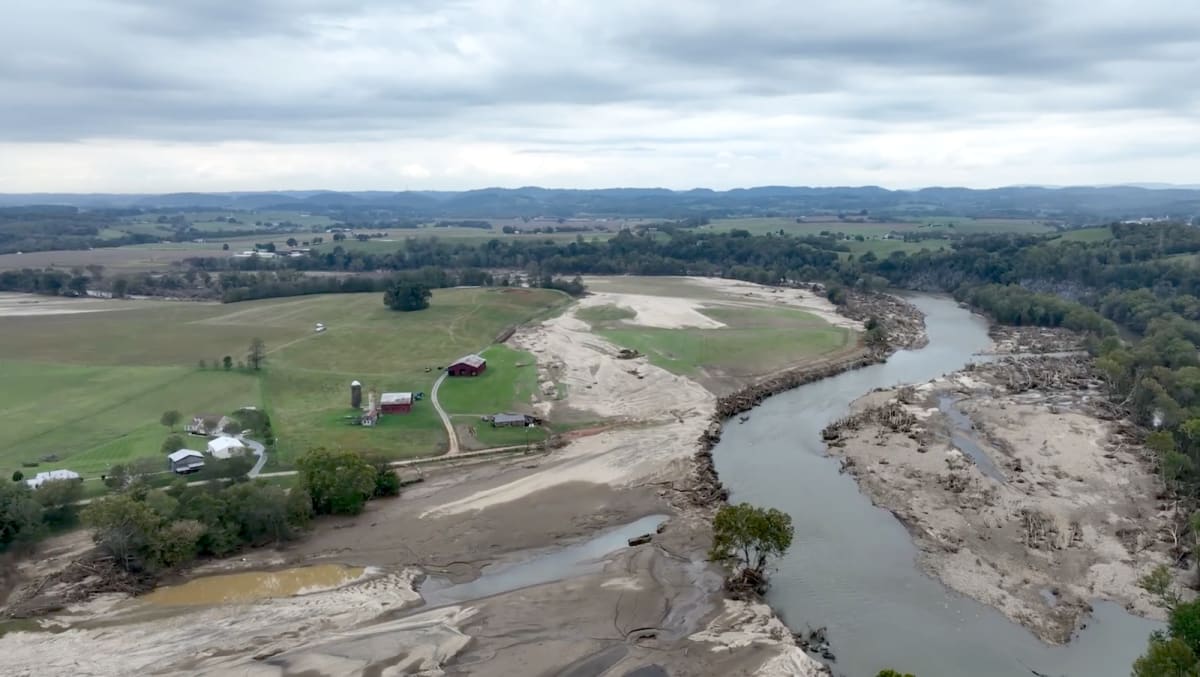
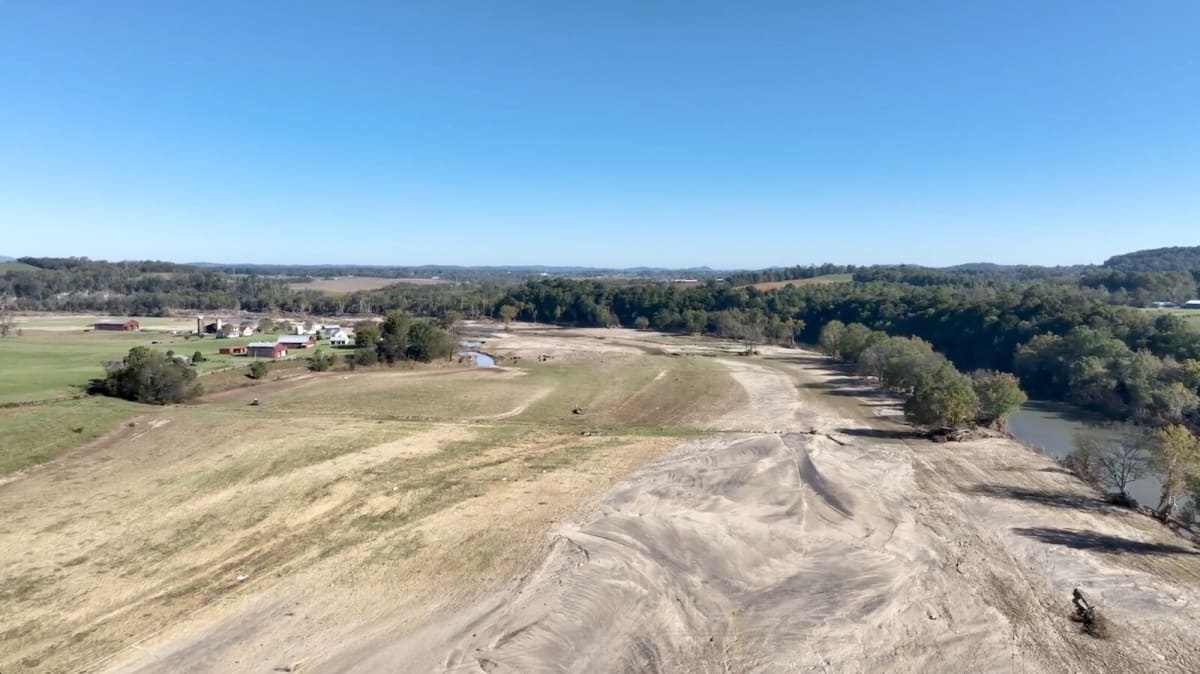
When Will Runion watched the Nolichucky River swallow a third of his 736-acre Tennessee farm last September, he knew his biggest challenge wasn't the destroyed equipment or lost buildings. It was the 4 feet of sand now covering the rich topsoil his cattle depended on.
Hurricane Helene dropped up to 30 inches of rain on southern Appalachia, causing $4.9 billion in agricultural damage in North Carolina alone. Thousands of farmers lost crops, animals, and machinery, but they're also grappling with something harder to replace: the fertile soil that took thousands of years to form.
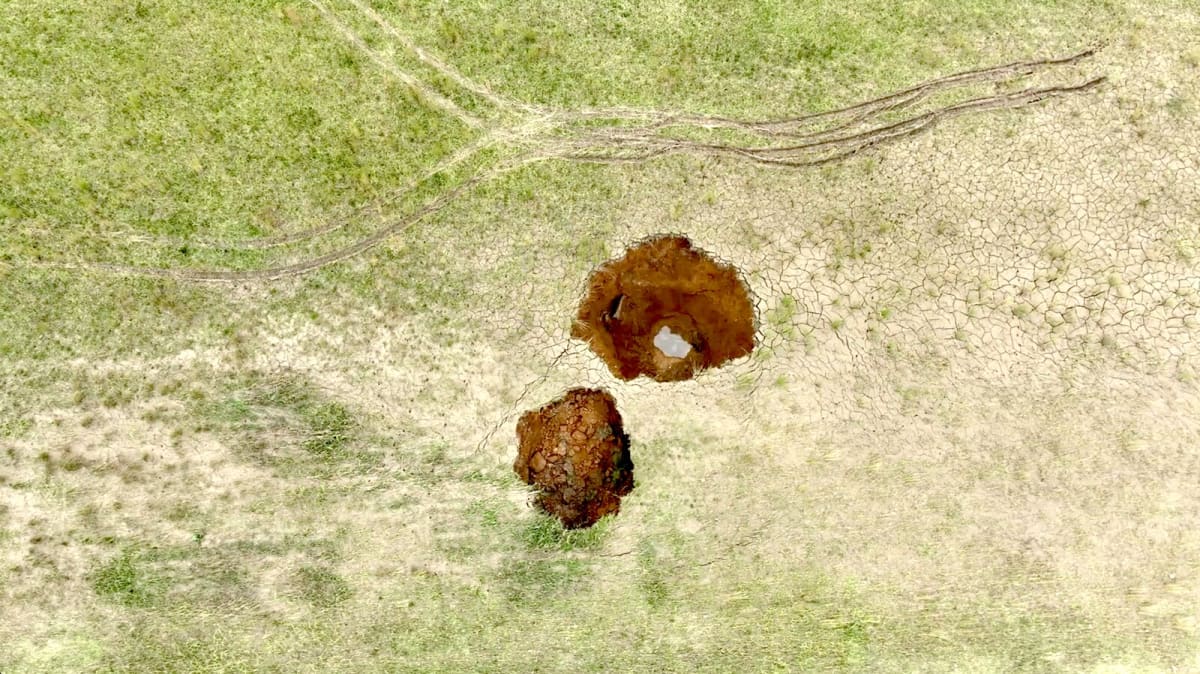
The flood carved football-field-sized holes 12 feet deep into Runion's hay pastures. Other sections disappeared under walls of sand and silt that choked out the nutrients his grass needed to grow.
Runion immediately sent drone footage to Forbes Walker, a soil specialist at University of Tennessee Extension. Walker's honest response captured the challenge: "I don't know how we fix this."
That uncertainty reflects a troubling blind spot in agricultural science. While researchers understand how soil forms over millennia, there's little solid information about what happens during catastrophic floods or how to restore farmland afterward.
But scientists and farmers aren't giving up. Across the region, they're working together to develop new recovery strategies and build resilience for future storms.
Kulesza and her colleagues at North Carolina State University are studying affected farms to understand soil changes and test restoration approaches. They're analyzing nutrient levels, testing soil structure, and sharing findings with farmers in real time.
The Ripple Effect
The research emerging from Helene's devastation is creating a playbook that farmers worldwide can use as climate change drives more powerful storms. What scientists call "100-year storms" are projected to become three times more likely over the next 50 years.
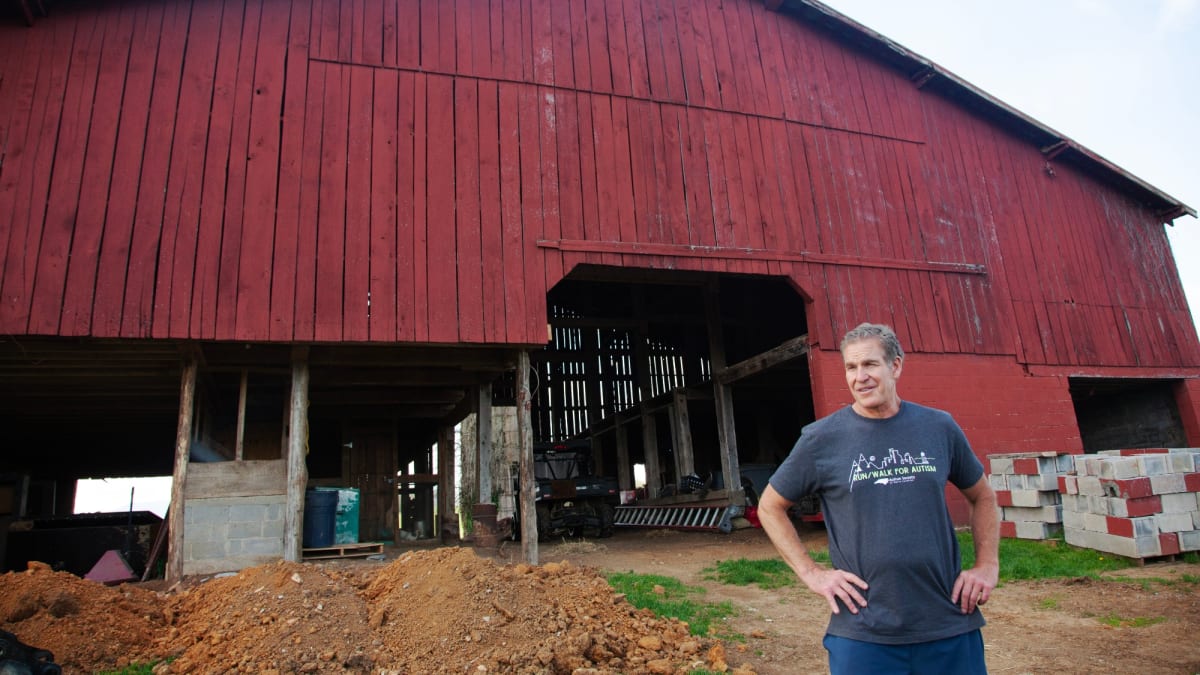
Meanwhile, Runion is adapting. He's transforming part of his property into a campground and events venue to diversify his income while his soil recovers. He's also working with Walker to test soil amendments and restoration techniques on the damaged fields.
Other Appalachian farmers are sharing knowledge, trading strategies, and supporting each other's recovery efforts. The tight-knit agricultural community that makes mountain farming possible is proving to be its greatest asset in bouncing back.
The region's farmers have always been resilient, working steep terrain and small plots to feed their communities. Now they're adding climate adaptation to their skill set, building back better than before while helping science catch up to our changing world.
From the mountains of Tennessee to farming regions everywhere, the lessons learned from Helene are planting seeds of hope for a more resilient agricultural future.
More Images

Based on reporting by Grist
This story was written by BrightWire based on verified news reports.
Spread the positivity!
Share this good news with someone who needs it