
Tennessee Star Wins Olympic Gold Despite Degenerative Bone Disease
Bridgette Gordon's bones were deteriorating like a 45-year-old's when she arrived at the University of Tennessee, but she fought through pain and homesickness to win Olympic gold and two national championships. Her story of faith, determination, and legendary coach Pat Summitt's mentorship proves that obstacles don't define your limits.
When doctors told 18-year-old Bridgette Gordon that her bones had already deteriorated to those of a middle-aged woman, she feared her basketball dreams were finished before they started.
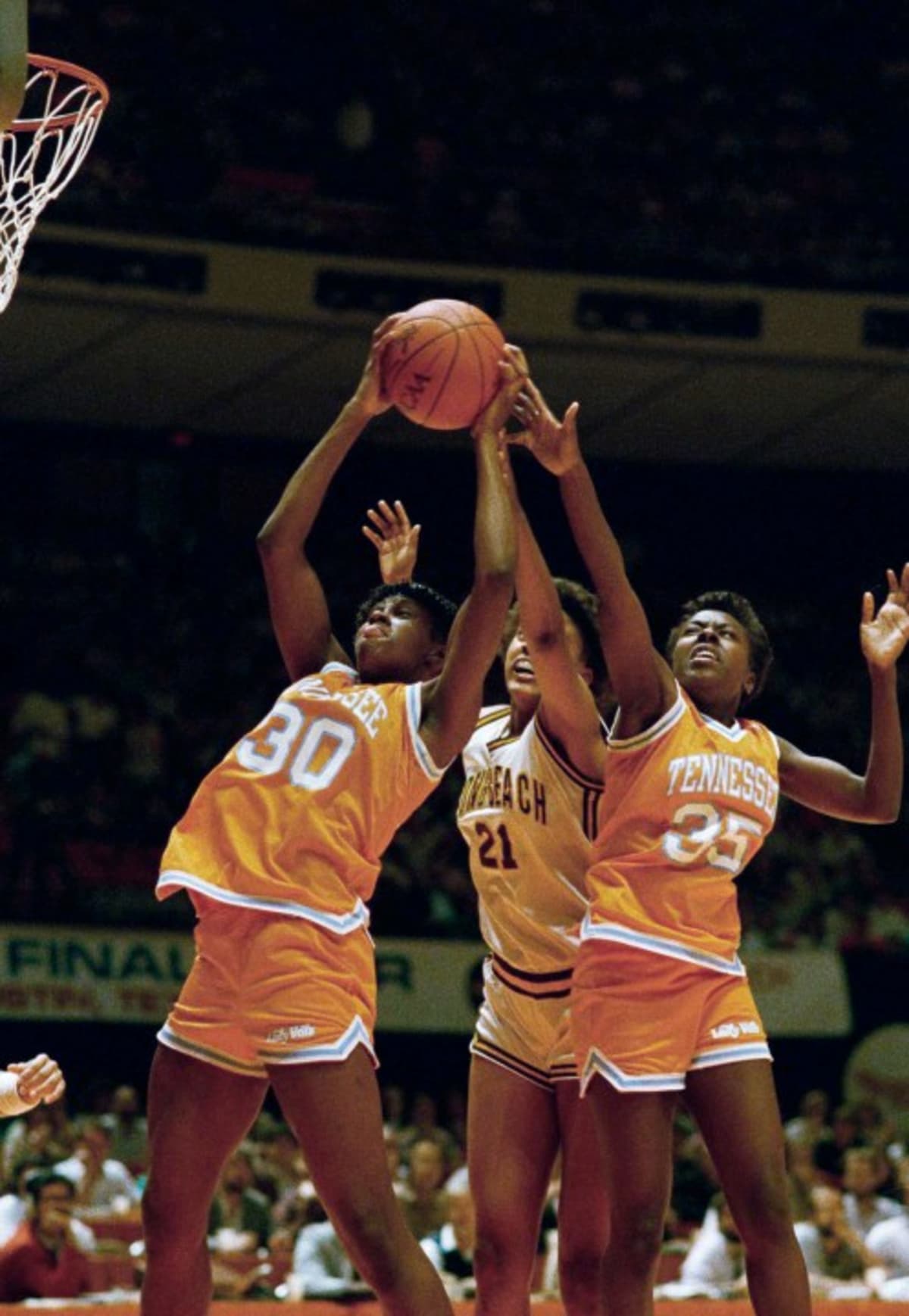
Instead, the University of Tennessee freshman became an Olympic gold medalist, a two-time national champion, and a Hall of Famer who proved that determination can overcome even the most daunting physical challenges.
Gordon arrived at UT in 1985 from DeLand, Florida, one of eight siblings who switched from softball to basketball for better scholarship opportunities. Within months, she struggled to breathe during practice and assumed it was exercise-induced asthma.
The diagnosis was far worse. Tests revealed her bones were already severely deteriorated, threatening to end her athletic career immediately.
"I was always in rehab and doing everything the doctors told me," Gordon recalls. Ice bandages became her constant companion as she pushed through pain that would have sidelined most athletes.
But the physical battle was only half the struggle. Gordon battled homesickness so severe that after one brutal rainy practice session, she called her mother ready to quit.
Her mom's response changed everything: "Read your Bible, you're in great hands." Then she hung up the phone.
That tough love, combined with legendary coach Pat Summitt's mentorship, kept Gordon at Tennessee. Summitt pushed her athletes relentlessly on the court but cared for them like family off it, writing letters to Gordon's mother about her progress and inviting her to spend weekends at the family farm.
"It was really a mother-daughter relationship," Gordon says. The coach even took time to write updates about Gordon's progress to her mother back in Florida.
Why This Inspires
Gordon's journey shows how the right support system can help someone push past seemingly insurmountable obstacles. While her faith gave her internal strength, the medical staff at UT provided cutting-edge treatment, and Summitt offered the perfect balance of demanding excellence while nurturing her athletes as whole people.
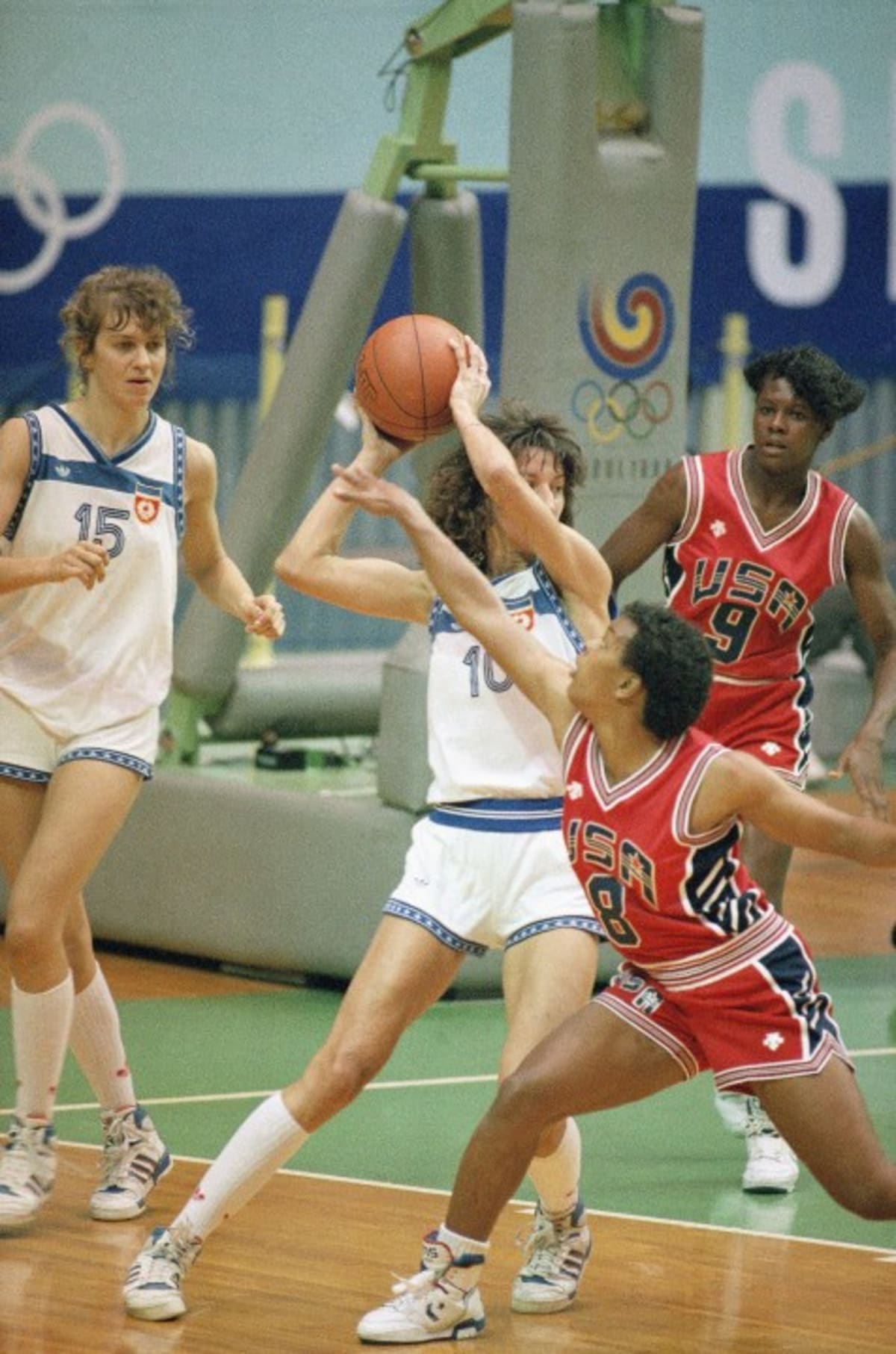
In 1988, Gordon stood on the Olympic podium in Seoul, Korea, one of only two collegiate athletes on the U.S. women's basketball team. As the gold medal was draped around her neck and "The Star-Spangled Banner" played, she thought about everything it took to get there.
Today, she's returned to coaching, now leading Florida A&M's basketball program and passing on the lessons she learned from Summitt about pushing through pain, trusting in faith, and never letting a diagnosis define your destiny.
More Images


Based on reporting by Google News - Olympic Medal
This story was written by BrightWire based on verified news reports.
Spread the positivity!
Share this good news with someone who needs it

