Texas A&M Study Finds Gear Limits Firefighter Mobility
New research reveals firefighter protective gear reduces shoulder mobility by up to 40 degrees, driving efforts to improve equipment design and training. Female firefighters face even greater challenges, pointing to better solutions ahead.
📺 Watch the full story above
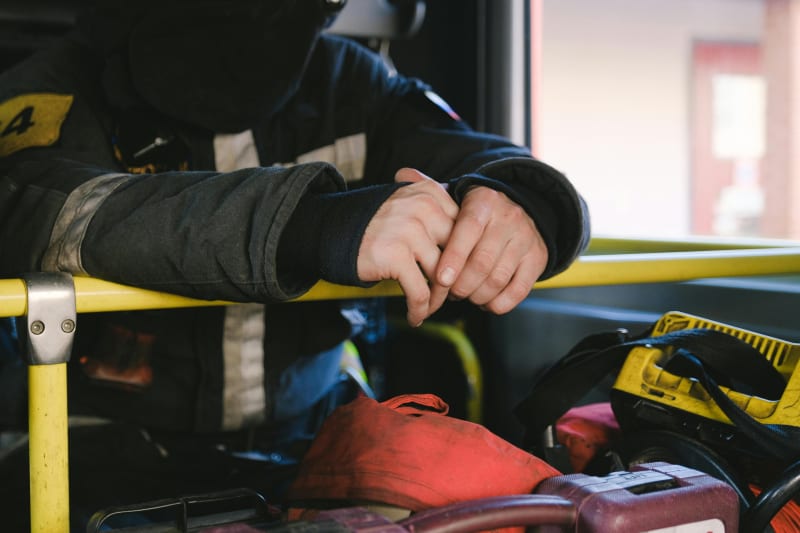
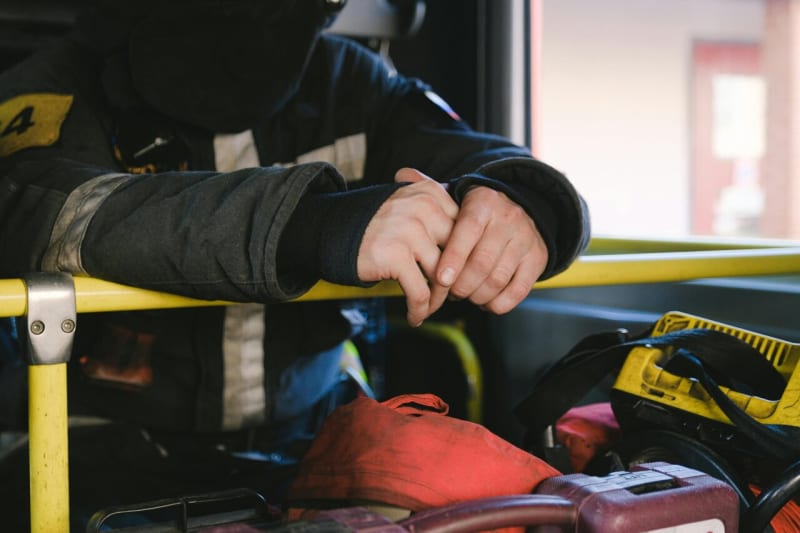
Firefighters who rush into danger to save lives may be held back by the very gear designed to protect them, but groundbreaking research is changing that.
Dr. Jenna Yentes at Texas A&M University partnered with firefighters to study how protective equipment affects their movement during critical tasks. The results shed light on a problem that's been hiding in plain sight for decades.
At the Brayton Fire Training Field, firefighters performed realistic tasks like dragging 180-pound rescue dummies, wielding sledgehammers, and climbing ladders. Researchers measured their movement in regular uniforms, then again in full protective gear.
The findings were striking. Firefighters lost up to 40 degrees of shoulder motion and 20 degrees in other joints when wearing their bulky equipment. While they still completed every task, they had to compensate in ways that could lead to injury over time.
Nearly 40% of non-fatal firefighter injuries involve muscles and bones, often linked to the physical demands of working in restrictive gear. Understanding how equipment limits movement opens the door to real solutions.
"Most research has focused on heat stress or chemical exposure," Yentes explained. "Very little has looked at how firefighters actually move in their gear. That's the gap we're trying to fill."
The research also uncovered an important disparity. A survey of over 350 firefighters showed women were two to four times more likely to report gear-related problems, especially during ladder tasks. Current equipment is typically designed for men and simply scaled down, rather than properly fitted for different body types.
Why This Inspires
This research represents more than data points. It's about people who run toward danger while others run away, and making sure they can do their jobs safely.
"Anytime somebody calls 911, it's the worst day of their life," said John Adams, a TEEX instructor and firefighter. "This study shines a light on how gear affects our bodies, and how we can prepare for whatever's next."
The findings, published in Applied Ergonomics, are already driving conversations about better equipment design and targeted training programs. Yentes hopes future research will explore whether specific strength and flexibility exercises can offset gear limitations.
For Yentes, the work is deeply personal. "As a firefighter's daughter, I know what it's like to want your loved one to come home safe," she said. "That's what drives me, and what I hope this research will achieve."
Better gear and smarter training could reduce injuries, extend careers, and ultimately improve emergency response when communities need it most.
More Images
Based on reporting by Medical Xpress
This story was written by BrightWire based on verified news reports.
Spread the positivity!
Share this good news with someone who needs it