Texas Bandage Delivers Healing Gas Directly to Wounds
Scientists have developed a bandage-like device that delivers hydrogen sulfide gas right to wounds, helping people with diabetes and circulation problems heal injuries that might otherwise cost them a limb. The breakthrough targets blood flow exactly where healing is needed most.
For someone with diabetes, a simple blister can turn into a nightmare that ends with amputation. Now researchers at Texas A&M are giving hope to millions with a bandage that delivers healing power directly to stubborn wounds.
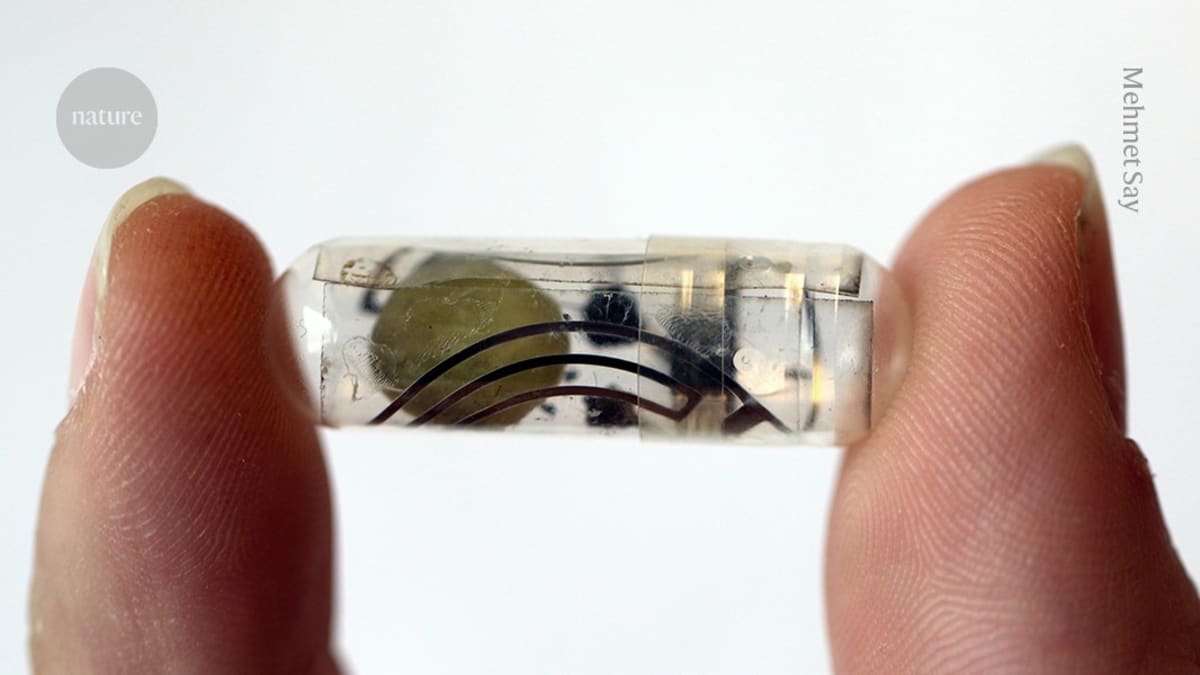
The device works like a regular bandage but does something revolutionary. It releases hydrogen sulfide, a gas your body naturally makes, right at the wound site to boost blood flow and help tissue repair itself.
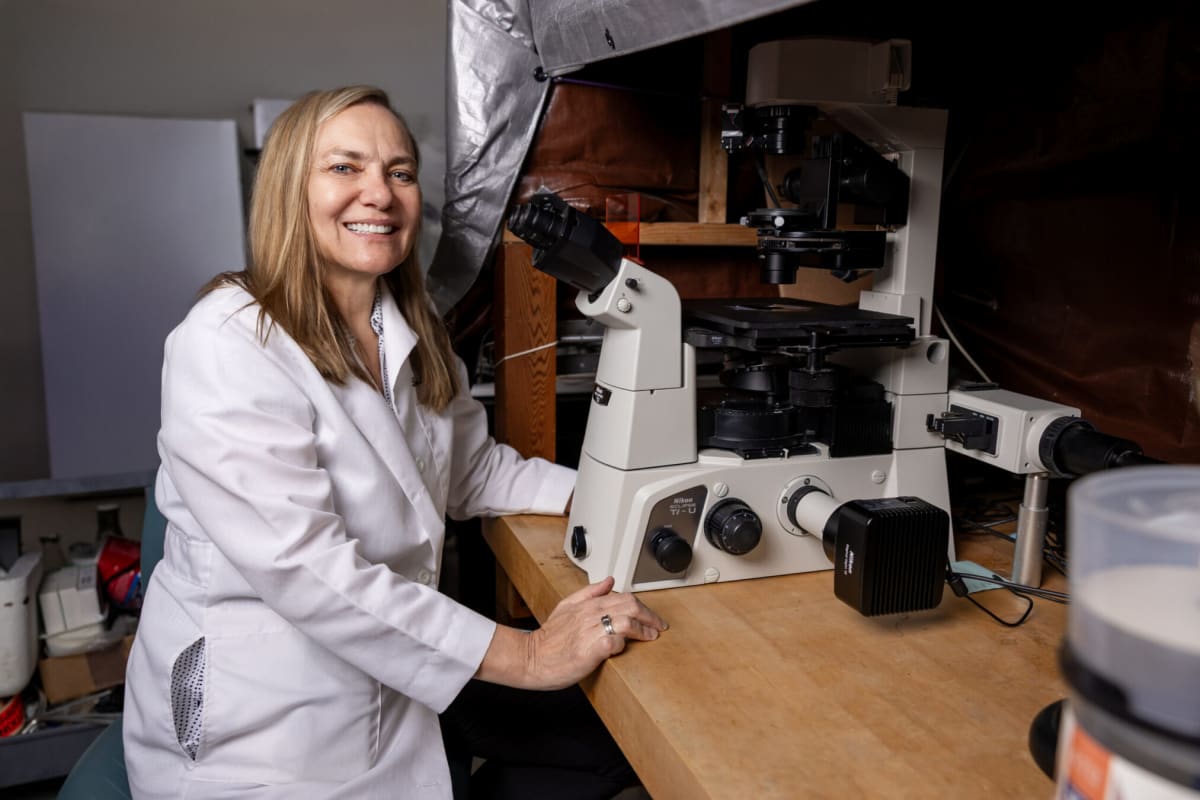
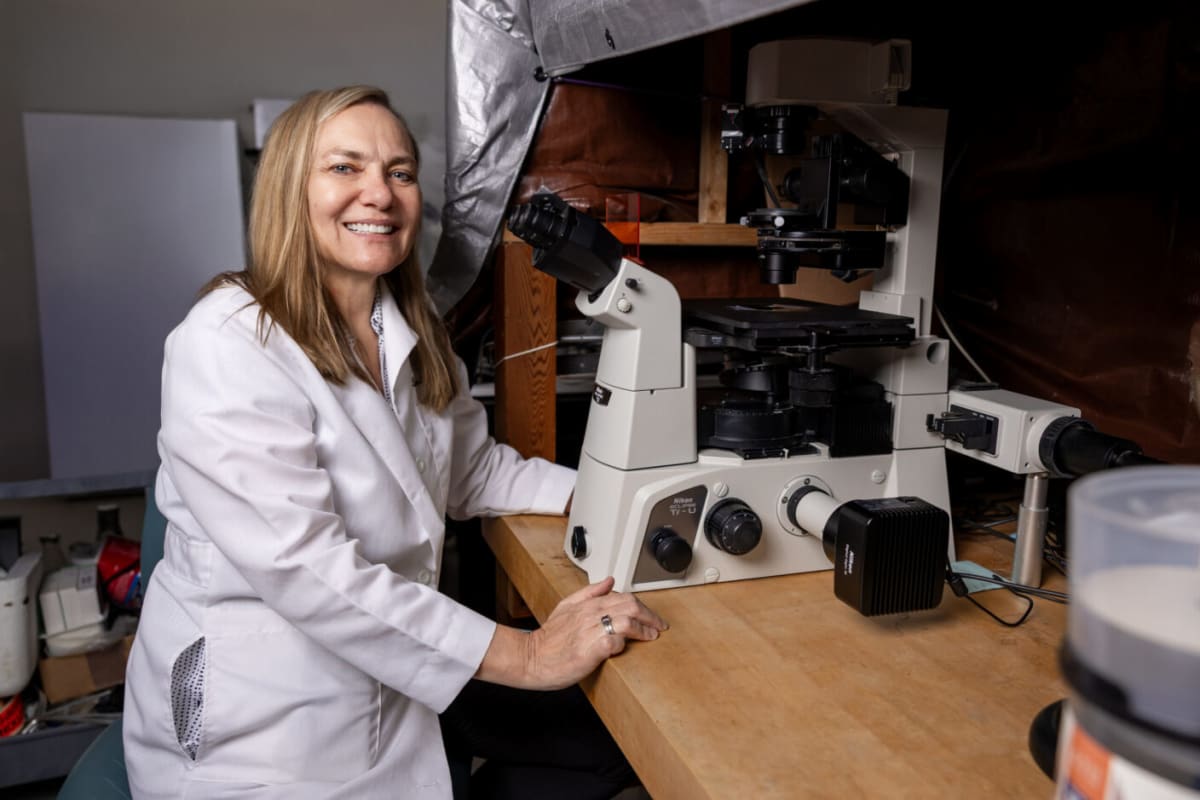
"People are losing limbs to wounds most of us would never think twice about," said Dr. Cristine Heaps, who leads the research team at Texas A&M's College of Veterinary Medicine and Biomedical Sciences. Her words highlight just how serious poor wound healing can be for the 37 million Americans living with diabetes.
The secret lies in improving circulation where it counts. Hydrogen sulfide helps blood vessels relax and widen, allowing oxygen and nutrients to reach damaged tissue. It also triggers the growth of new blood vessels, creating fresh pathways for healing.
What makes this approach special is its precision. Earlier attempts to use hydrogen sulfide throughout the whole body caused dangerous drops in blood pressure. This bandage keeps the gas concentrated right at the wound, avoiding those risks entirely.
The team partnered with Exhalix, a company specializing in vascular health technologies, to create a special coating that generates controlled amounts of the gas. Early testing shows the hydrogen sulfide stays exactly where it belongs, acting on injured tissue without affecting the rest of the body.
Researchers are also combining their device with negative pressure wound therapy, the current gold standard for treating chronic wounds. That treatment uses gentle suction to remove fluids and promote healing. By delivering the healing gas first, then reintroducing suction, they hope to achieve even better results than either method alone.
The potential reaches beyond diabetes patients. Anyone with slow-healing wounds, limited circulation, or recovery challenges after surgery could benefit from this innovation.
The Ripple Effect
Chronic wounds affect millions of Americans and cost the healthcare system billions each year. Beyond the financial burden, these wounds steal independence and quality of life from people who face constant pain, repeated medical visits, and the fear of amputation.
This device could transform that reality. Imagine a future where a simple bandage prevents the cascade of complications that currently leads thousands to lose limbs every year. Where people with diabetes can treat a cut at home with confidence instead of anxiety.
The research is still in early stages, and the team is working to determine the best dosing and treatment schedules. Human trials haven't started yet, but the preclinical findings point toward a genuine breakthrough in wound care.
For the countless people whose bodies struggle to heal even minor injuries, this small device represents something powerful: a targeted solution that works with the body's natural healing processes instead of against them.
More Images
Based on reporting by Google News - New Treatment
This story was written by BrightWire based on verified news reports.
Spread the positivity!
Share this good news with someone who needs it