Texas Doctors Launch Service to Protect Young Cancer Survivors
A Houston cancer center is pioneering a new environmental health service after research showed air pollution and other exposures significantly harm childhood cancer survivors. The move comes after 96% of oncology staff said families desperately need this help.
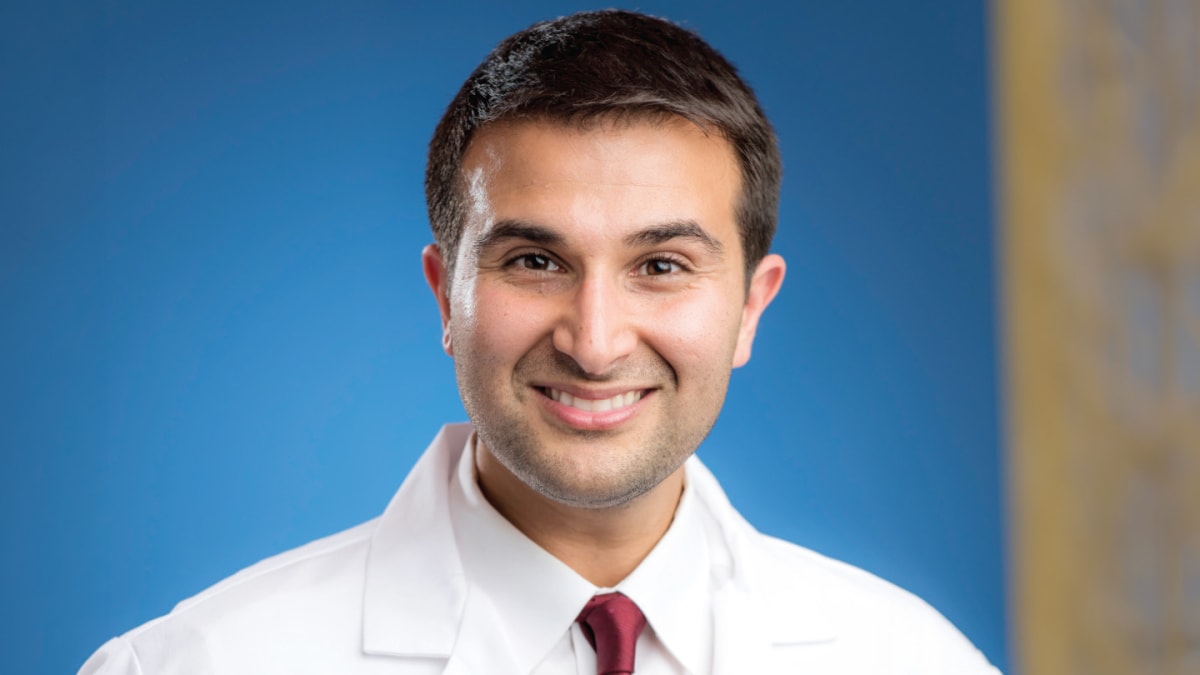
When Dr. Omar Shakeel started leading Texas Children's Cancer Center's survivor clinic in 2020, he heard the same question from nearly every family: what can we do to keep our child healthy after beating cancer? Now, after groundbreaking research, he finally has answers that could change survivorship care nationwide.
Shakeel and his team at Baylor College of Medicine discovered that environmental factors like air pollution dramatically impact young cancer survivors' long-term health. Their review found children living in areas with high air pollution face significantly decreased survival rates, regardless of family income. In Utah, survivors exposed to higher pollution levels showed increased rates of respiratory hospitalization.
The findings get even more serious. Children who survived lymphoid leukemia, lymphoma, or brain tumors and lived in high-pollution zip codes faced higher death rates at both 5 and 10 years after diagnosis.
But here's where the story turns hopeful. When Shakeel surveyed 154 oncology staff members at Texas Children's, he found a stunning gap between what families need and what doctors can provide. Eighty percent of staff reported fielding questions about environmental risks, yet 75% felt unprepared to answer them.
The families felt that frustration deeply. In a focus group, 19 parents expressed disappointment that healthcare providers couldn't address environmental concerns during their child's treatment. Many said this knowledge would have significantly reduced their anxiety during the hardest time of their lives.
The Ripple Effect
The response from medical staff tells us change is coming fast. A remarkable 96% said an environmental referral service would help their patients, and 90% had zero concerns about using it. Several doctors want to incorporate it into standard practice immediately.
This matters because childhood cancer survivors often face accelerated aging and develop chronic conditions years earlier than their peers. Treatment saves their lives but can leave lasting vulnerabilities. Protecting these young survivors from preventable environmental harm could mean decades of better health.
Texas Children's is now working to integrate environmental health screening into routine pediatric cancer care. The service would help families identify risks in their homes and communities, from air quality to pesticide exposure, and provide practical solutions to reduce harm.
For the first time, oncologists will have real tools to answer those difficult questions about keeping kids healthy after cancer, turning uncertainty into actionable hope for thousands of families.
Based on reporting by Google News - Cancer Survivor
This story was written by BrightWire based on verified news reports.
Spread the positivity!
Share this good news with someone who needs it