Texas Engineers Create Jacket That Makes Drinking Water
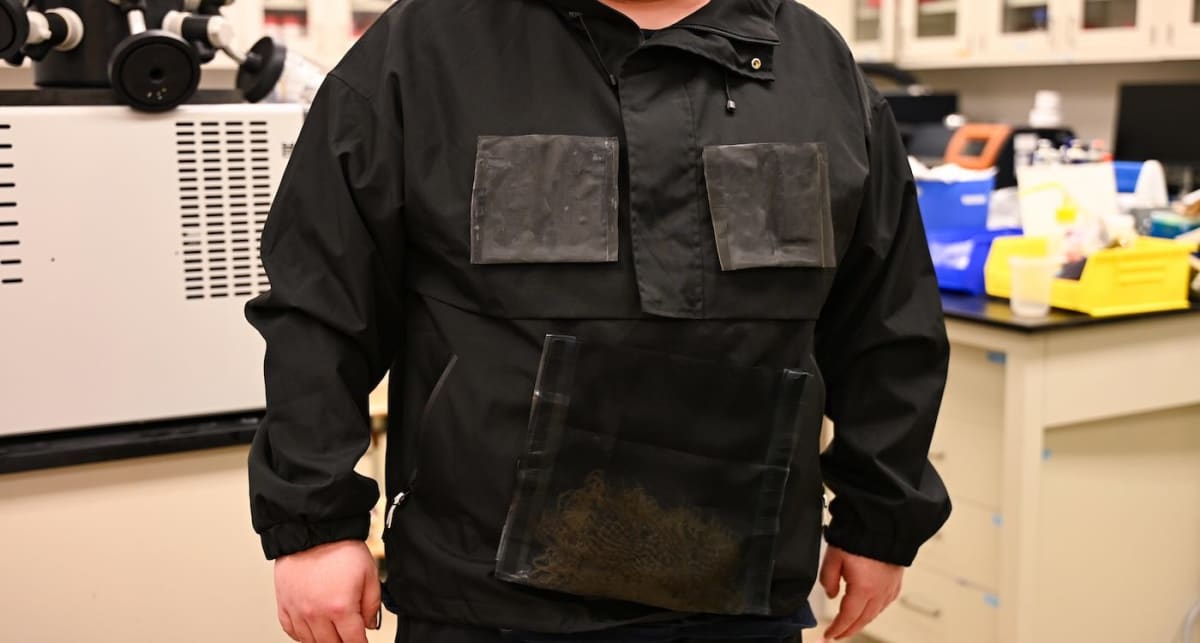
University of Texas engineers developed a high-tech jacket that pulls up to 1.5 pints of drinking water per day from thin air. The breakthrough could help hikers, soldiers, and people in remote areas access clean water wherever they go.
Imagine never worrying about carrying enough water on your next hike because your jacket makes it for you.
Engineers at the University of Texas at Austin turned that idea into reality with a jacket that harvests drinking water straight from the air. The innovative design can produce between 0.7 and 1.5 pints of clean water daily, depending on humidity levels.
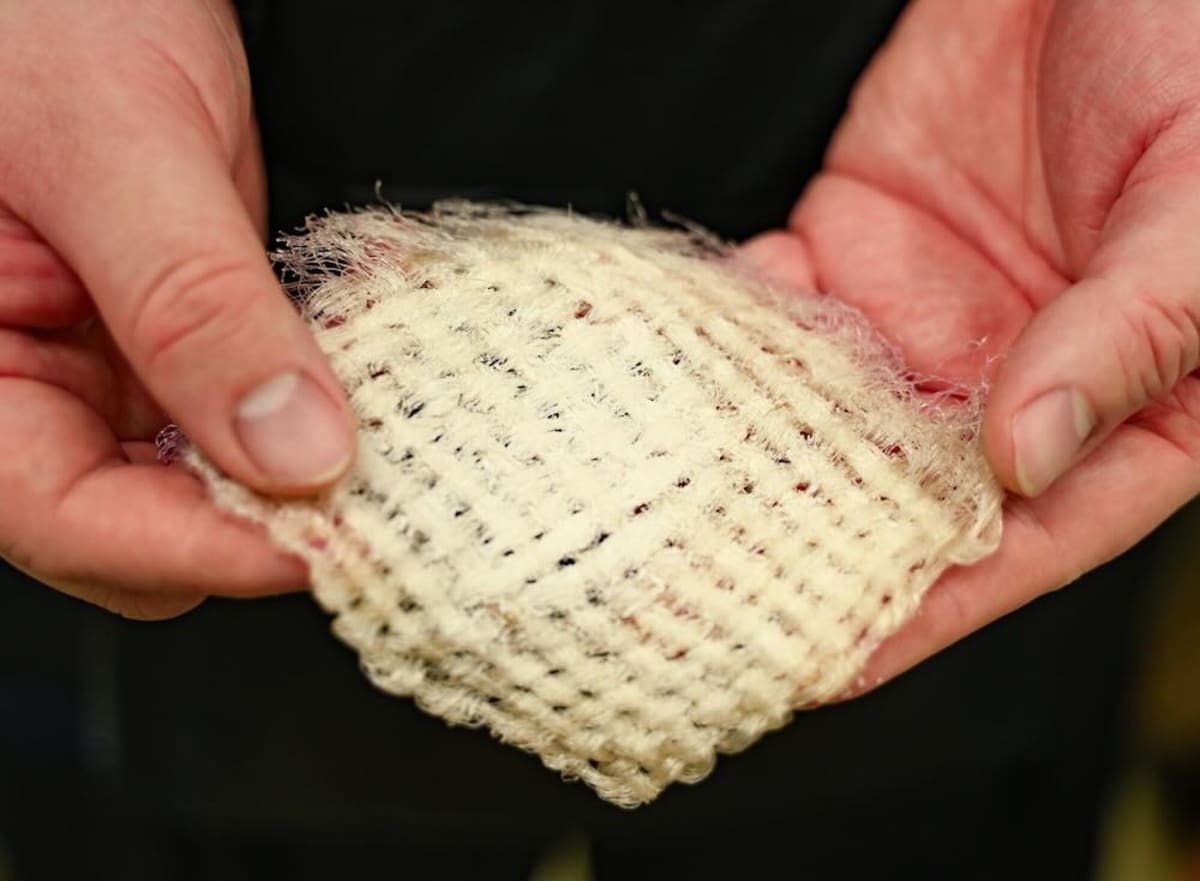
Unlike bulky water-harvesting devices that sit in one place, this jacket uses specially designed fabric that collects moisture as you move. The textile funnels the moisture into detachable harvesting units, which are heated in a foldable collector to produce drinkable water.
"Water harvesting from air is usually imagined as a stationary device such as a box, a panel. We wanted to rethink the form," said Professor Guihua Yu, who co-led the research published in Science Advances.
The fabric performs three to 10 times better than conventional water-harvesting materials. Professor Keith Johnston explained that the team designed a pathway for water to move quickly from vapor in the air to liquid on the fiber surface, then into the textile's interior.
The technology could benefit anyone who spends extended time without easy access to drinking water. Hikers, campers, agricultural workers, and soldiers top the list of potential users.
The Ripple Effect
The research team isn't stopping at jackets. They're already planning applications for backpacks, tents, emergency shelters, and other outdoor gear that people carry every day.
The same University of Texas team recently set a record with a separate solar-powered device that captured 1.3 liters of drinking water per day in both the arid Chihuahuan Desert and humid Austin. That device achieved 4.3 liters of water per kilo of moisture-capturing materials per day, more than any other research group has accomplished.
At the heart of both innovations sits AirGel, a specially engineered hydrogel fabric made from biomass-derived materials. The fabric absorbs moisture from the air and releases it when warmed.
The technology could transform disaster response, remote field operations, and water access in arid regions or areas with limited infrastructure. The university has filed a patent application and is working toward commercialization.
From the clothes on your back to life-saving technology, this jacket proves that the most practical innovations often come in the most unexpected forms.
More Images
Based on reporting by Good News Network
This story was written by BrightWire based on verified news reports.
Spread the positivity!
Share this good news with someone who needs it