Texas Grid Handles Record Heat With 12,000 MW of Batteries
Texas just crushed its electricity demand records during triple-digit heat without a single power shortage or emergency alert. The state's massive investment in batteries and solar power since the 2021 winter blackouts is paying off exactly when Texans need it most.
When temperatures climbed past 100°F across Texas this week, the state's power grid didn't just survive. It thrived.
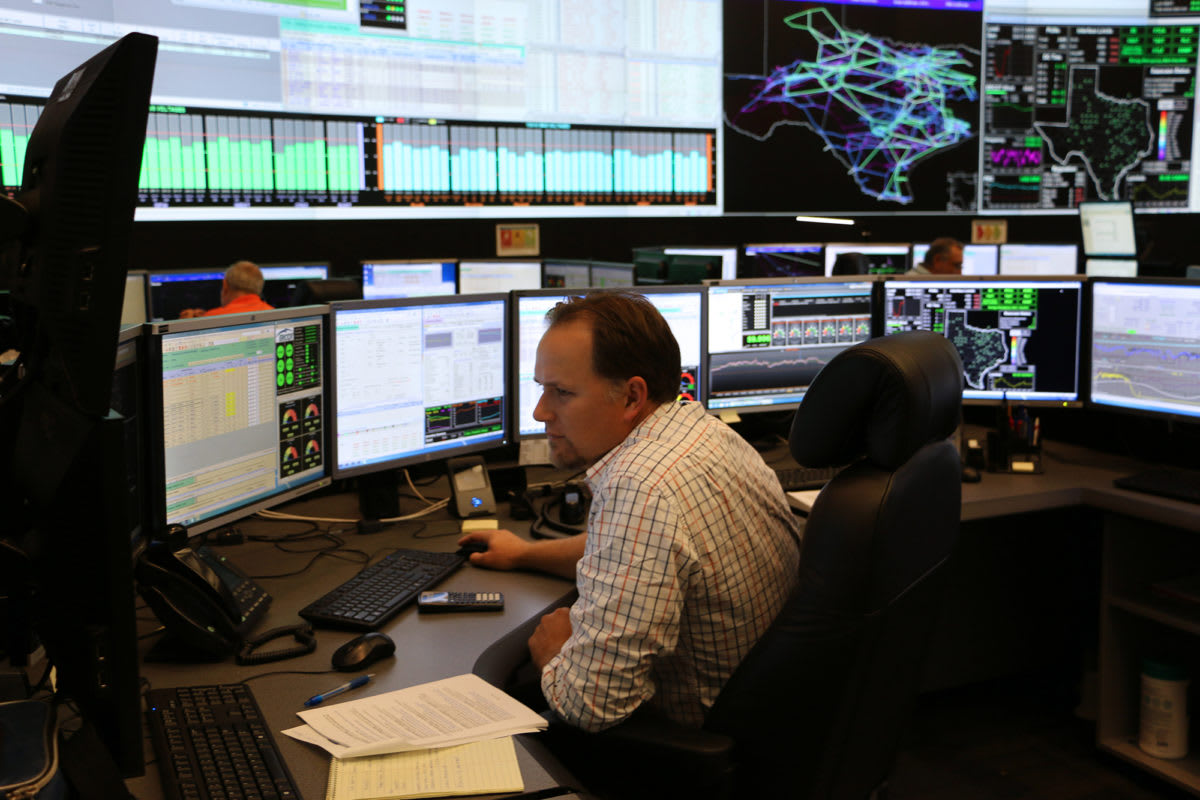
The Electric Reliability Council of Texas (ERCOT) recorded a stunning 91,308 megawatts of demand on Wednesday, shattering the previous record set during a 2023 heat wave. Even more impressive: grid operators never once asked Texans to turn down their air conditioners.
The secret weapon? Batteries. Lots of them.
Texas deployed nearly 12,000 megawatts of battery storage during peak demand this week. That's triple the amount available just two years ago when the grid last set a demand record.
Solar power also stepped up in a big way. ERCOT hit a new solar generation record of 34,665 megawatts, helping to power millions of homes and businesses during the hottest part of the day.
The combination of batteries, solar panels, and natural gas plants worked together seamlessly. Solar handled daytime demand while batteries kicked in during evening peak hours, creating a reliable one-two punch against extreme heat.
The Ripple Effect
This week's success tells a much bigger story about Texas energy. After the catastrophic Winter Storm Uri blackouts in 2021 left millions in the dark and cold, Texas got serious about grid reliability.
The state now leads the nation in solar and battery storage growth. Texas has installed over 53,000 megawatts of solar capacity and 29,000 megawatt-hours of battery storage, with plans to add another 39,000 megawatts over the next five years.
ERCOT also launched a new "Batch Zero" system to smartly manage connection requests from data centers and other large power users. Instead of reviewing projects one by one, the new approach groups requests together to assess the full picture of future demand and identify needed upgrades.
Grid operators predict less than a 6% chance of any emergency through September. That confidence comes from real preparation and proven technology working exactly as designed.
Two years ago, a heat wave this severe would have triggered emergency alerts and potential rolling blackouts. This week, it was just another Tuesday in Texas, with every AC running full blast and the lights staying on.
Based on reporting by Renewable Energy World
This story was written by BrightWire based on verified news reports.
Spread the positivity!
Share this good news with someone who needs it