Texas Man's Parkinson's Tremor Gone Minutes After Treatment
A 72-year-old veteran's severe hand tremor vanished within minutes using a new FDA-approved ultrasound that requires no surgery. The breakthrough gives hope to millions living with Parkinson's disease.
Bud Leavell spent years unable to enjoy the simple pleasure of repairing vintage radios in his Texas garage. His Parkinson's tremor made holding tools nearly impossible, and eating without spilling became a daily challenge.
Then, in just minutes, everything changed. A new ultrasound treatment approved by the FDA in January 2026 completely stopped his shaking hand.
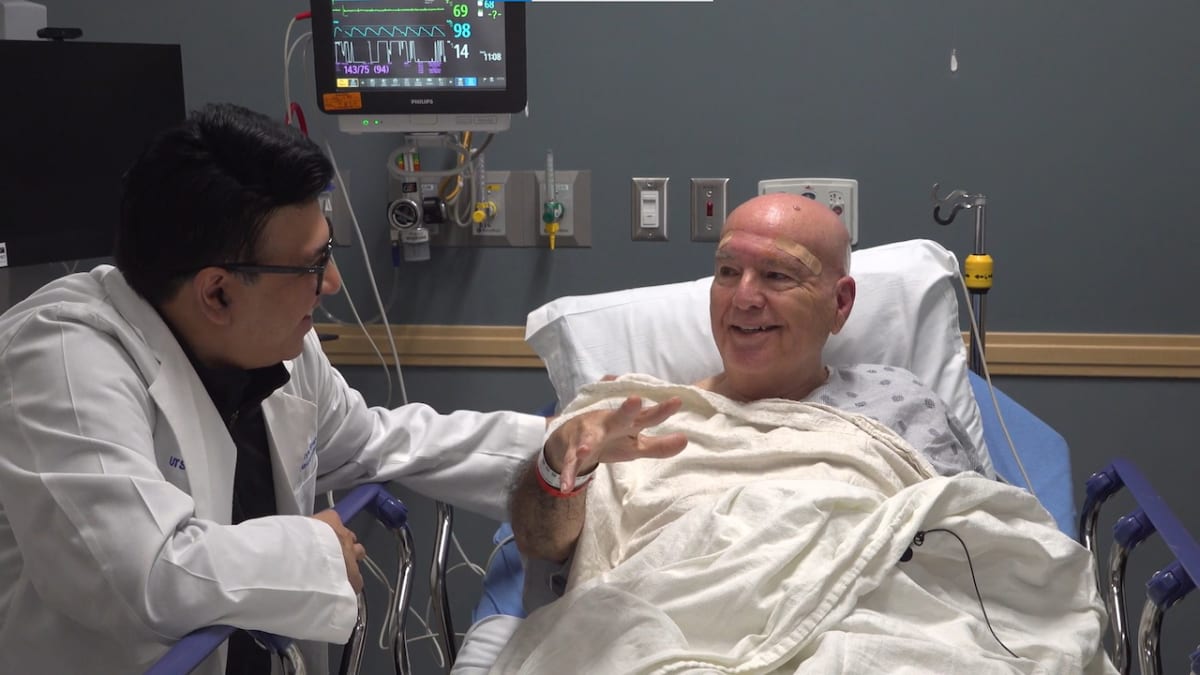
"What tremor?" the 72-year-old retired Air Force veteran now asks when doctors check on him.
The focused ultrasound treatment works by sending high-energy sound waves through the skull to tiny, precise spots deep in the brain. The waves heat up and remove the nerve bundles causing the tremors. No incisions, no opening the skull, no implanted devices.
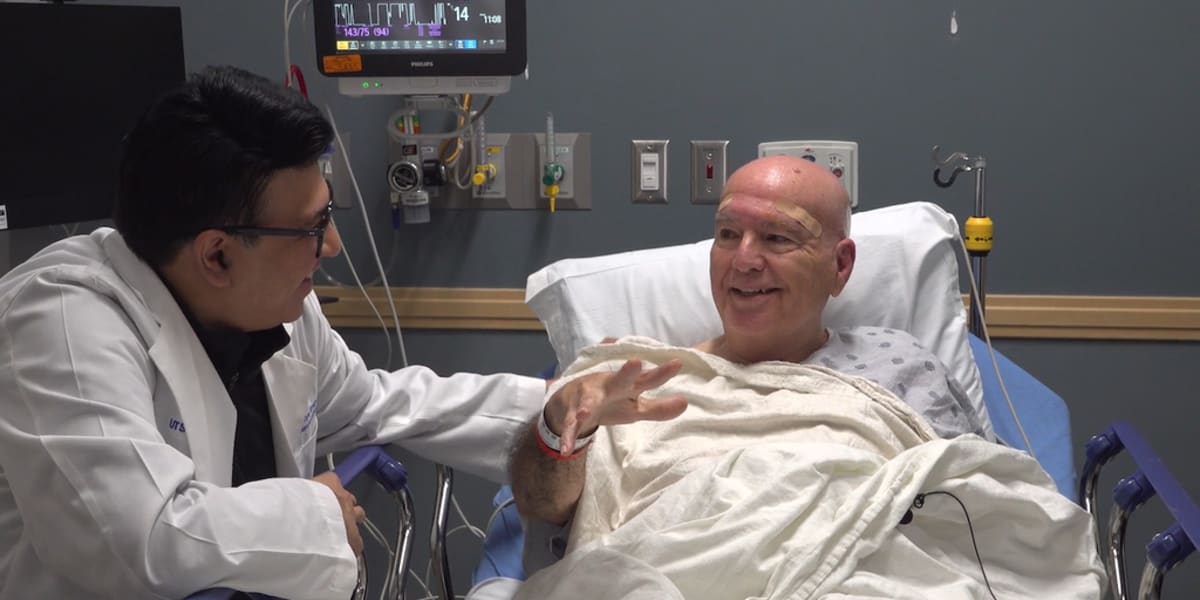
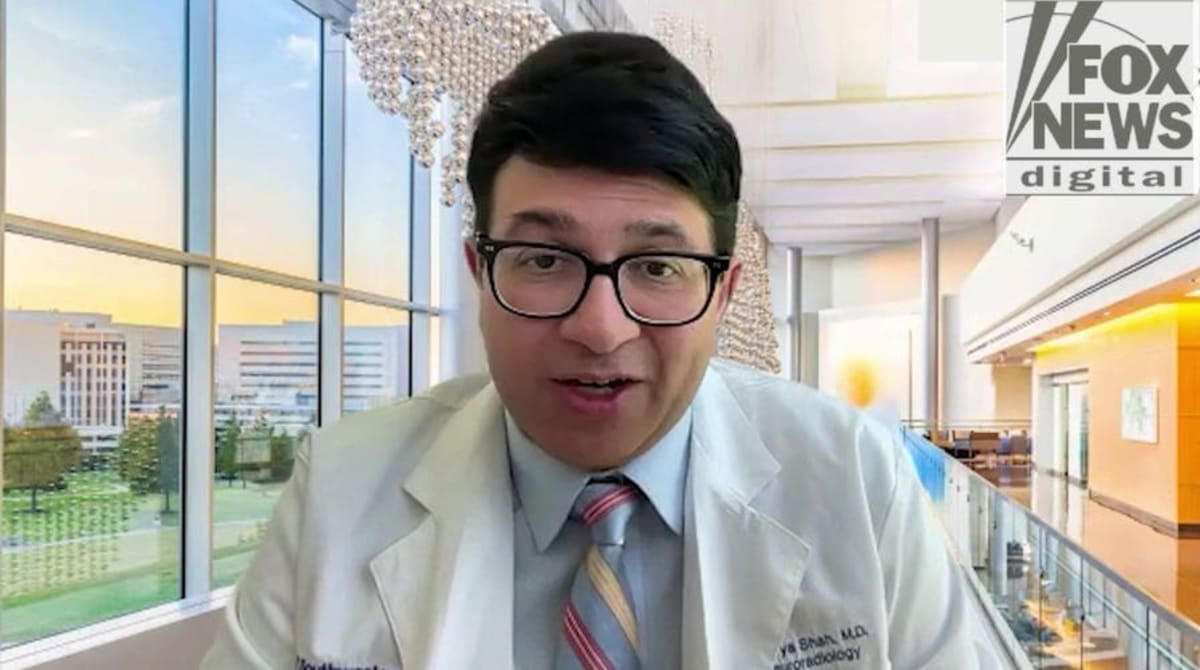
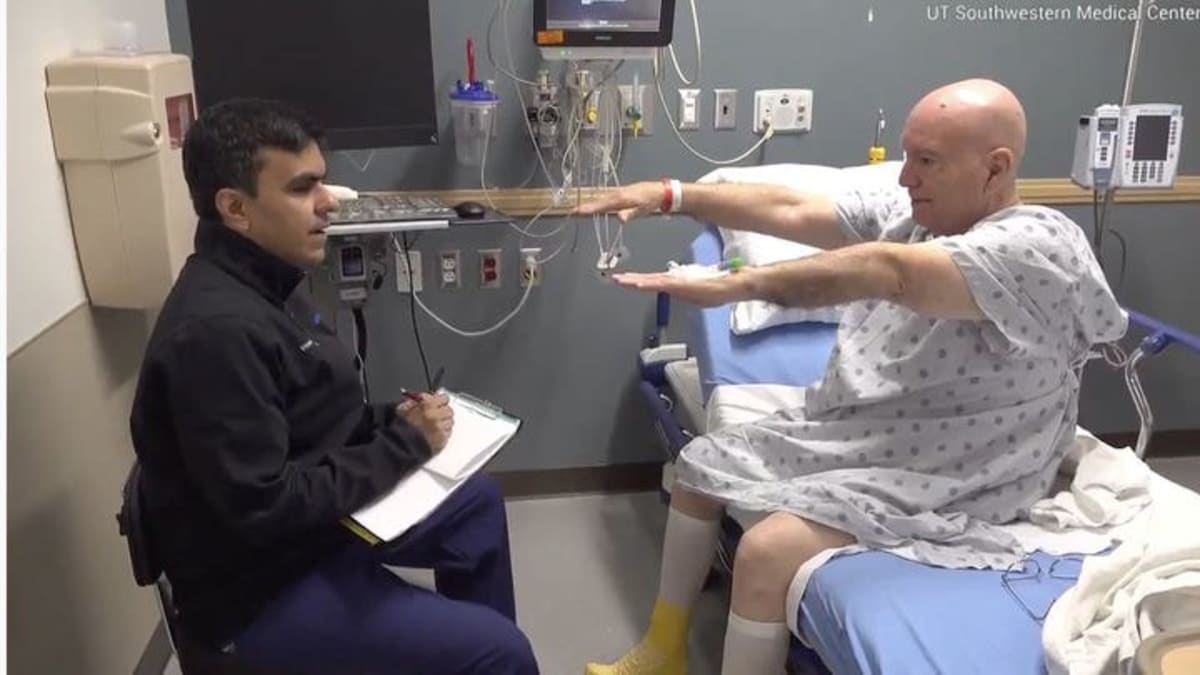
Dr. Bhavya Shah at UT Southwestern Medical Center in Dallas walked Leavell through the procedure on April 13. The team first used low-energy waves to test whether they'd identified the right target in Leavell's brain.
His tremor responded immediately, even at the testing stage. That gave doctors confidence to proceed with the full treatment.
Leavell was diagnosed with Parkinson's in 2017, right after thyroid cancer surgery. His voice weakened, his sense of smell faded, and tremors set into his dominant right hand.
For years, clicking a computer mouse or holding binoculars felt frustratingly difficult. Medications helped initially, but like many Parkinson's patients, Leavell needed more as symptoms progressed.
Why This Inspires
What makes this treatment revolutionary is its flexibility. Before permanently removing tissue, doctors can preview results with low-energy waves and adjust the target for each patient. Parkinson's affects everyone differently, and this approach accounts for that reality.
Advanced brain imaging helps doctors map the perfect target before treatment begins. For Leavell, eliminating tremor was the goal, but doctors can select different brain regions depending on whether stiffness, slowness, or shaking troubles a patient most.
The procedure does carry some risks. About 20 to 30 percent of patients experience temporary side effects like numbness, tingling, or trouble with balance or memory. Most improve over time.
Unlike deep brain stimulation devices that can be reprogrammed if symptoms return, focused ultrasound is permanent. If tremors come back, patients might need another treatment.
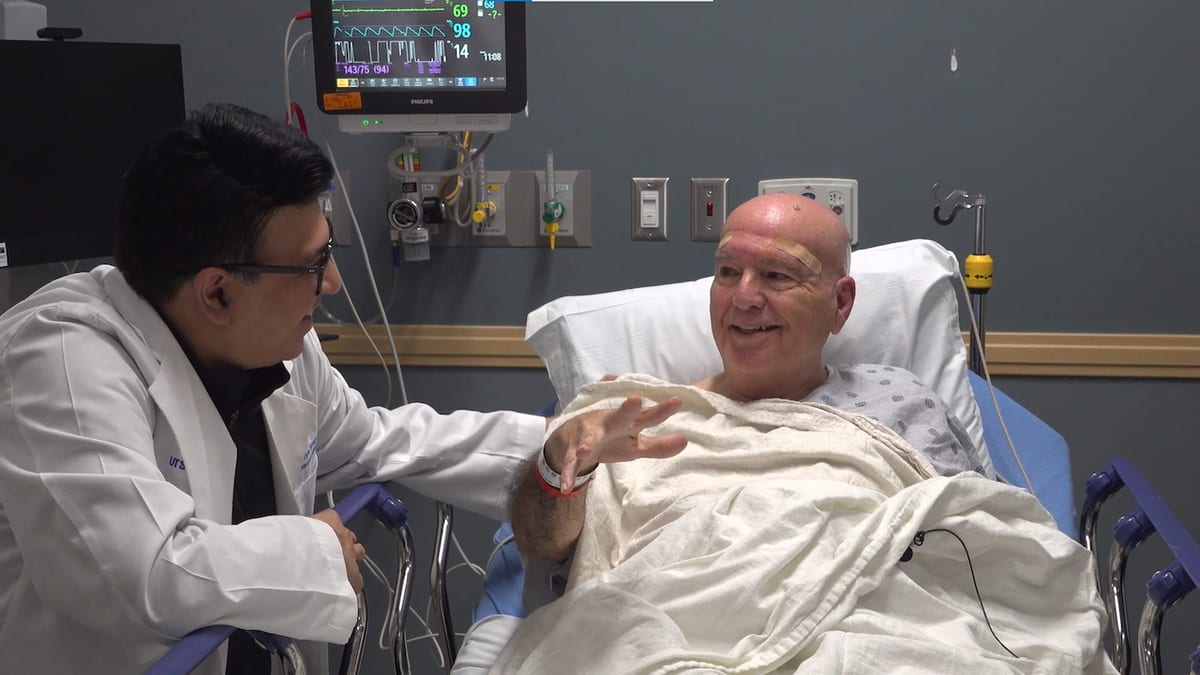
But for Leavell, the tradeoff was worth it. He's back in his Arlington garage, tools steady in his hands, bringing old radios back to life. He can eat without struggling to get a fork to his mouth, though he jokes this might become "another problem" since he loves food.
Months after treatment, his hand stays as still as it was the day the ultrasound stopped. For someone who'd lost years to shaking, those steady hands mean everything.
More Images
Based on reporting by Fox News Health
This story was written by BrightWire based on verified news reports.
Spread the positivity!
Share this good news with someone who needs it