UC Irvine Finds Safer Way to Treat Cancer Brain Swelling
Researchers discovered how to prevent brain complications from powerful cancer therapy without harsh steroids. Existing drugs could be repurposed to save lives faster.
A breakthrough from UC Irvine could make one of cancer's most powerful treatments safer for thousands of patients who face a terrifying choice between fighting their disease and risking severe brain damage.
CAR T-cell therapy has revolutionized treatment for aggressive blood cancers, giving hope to patients who once had no options. But the therapy can trigger a dangerous complication called immune effector cell-associated neurotoxicity syndrome, causing brain inflammation, seizures, and confusion that can be life-threatening.
Now, UC Irvine researchers have identified a new way to prevent this neurological damage. Their study, published in Frontiers in Pharmacology, points to mitochondrial dysfunction as the key driver of these brain complications.
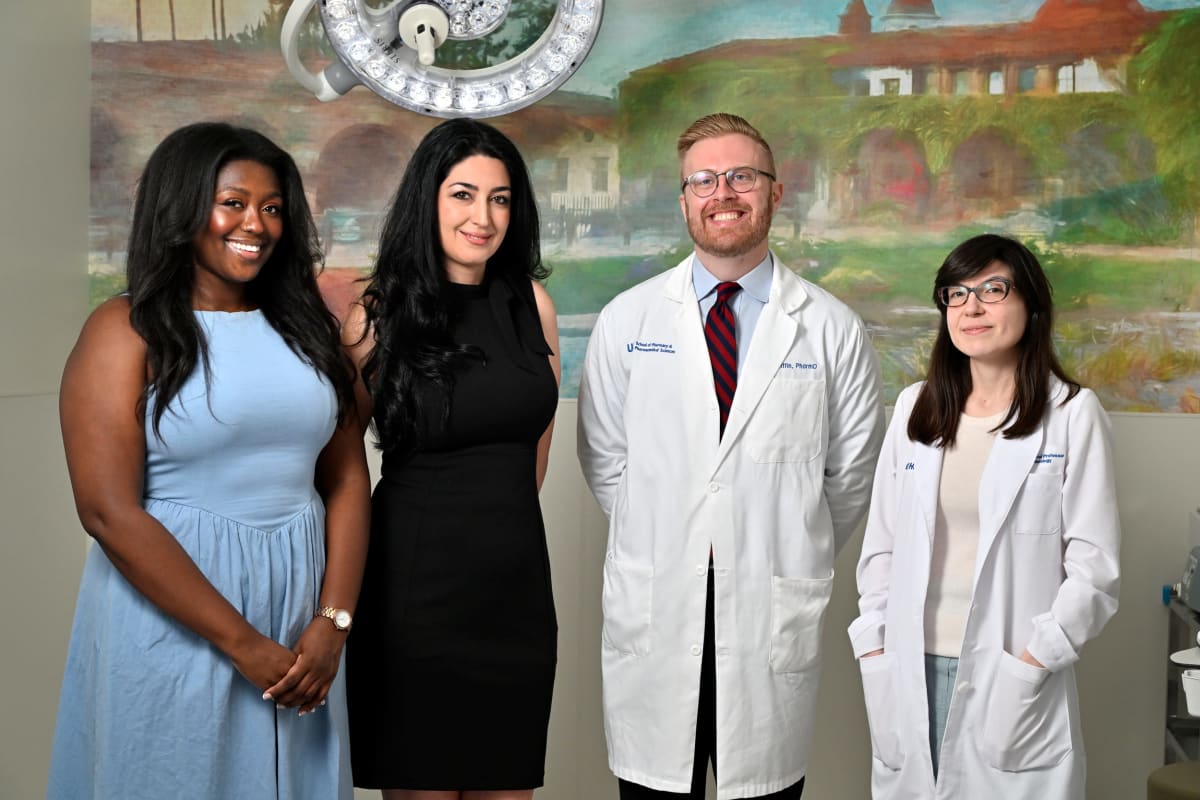
"Our work points to mitochondrial dysfunction as a promising therapeutic target for one of the most serious neurological complications of CAR T-cell therapy," says lead author Atena Zahedi, assistant professor at UC Irvine's School of Pharmacy. The team identified existing drugs that could be repurposed to protect the brain during treatment.
CAR T-cell therapy works by extracting a patient's immune cells, supercharging them to recognize cancer, then reintroducing them to destroy tumors. The intense immune response sometimes goes into overdrive, damaging the brain and nervous system in the process.
Currently, doctors rely on corticosteroids to control the inflammation. While effective, steroids come with significant side effects and don't address what's actually causing the brain injury.
The UC Irvine team focused instead on mitochondria, the tiny power plants inside cells that produce energy and regulate immune function. When mitochondria malfunction, they amplify the inflammatory response that injures the brain after CAR T-cell therapy.
The Bright Side
Because the researchers identified existing medications with established safety profiles, these treatments could move into clinical testing much faster than developing entirely new drugs. This approach could cut years off the timeline to get safer options to patients who need them.
The work is deeply personal for co-author Onwodi Ifejeokwu, who lost a family member to B cell lymphoma in 2021. Watching the devastating effects of cancer treatment on her loved one's brain fueled her passion for finding better solutions.
Dr. Erin Dean, a medical oncologist at UC Irvine's Chao Family Comprehensive Cancer Center, is already leading clinical research to evaluate these new approaches in real patients.
For cancer patients facing impossible choices, this research offers a path forward where lifesaving treatment doesn't have to mean life-threatening side effects.
Based on reporting by Google News - New Treatment
This story was written by BrightWire based on verified news reports.
Spread the positivity!
Share this good news with someone who needs it