Texas Rancher's Wind Turbines Now Fund His Family Ranch
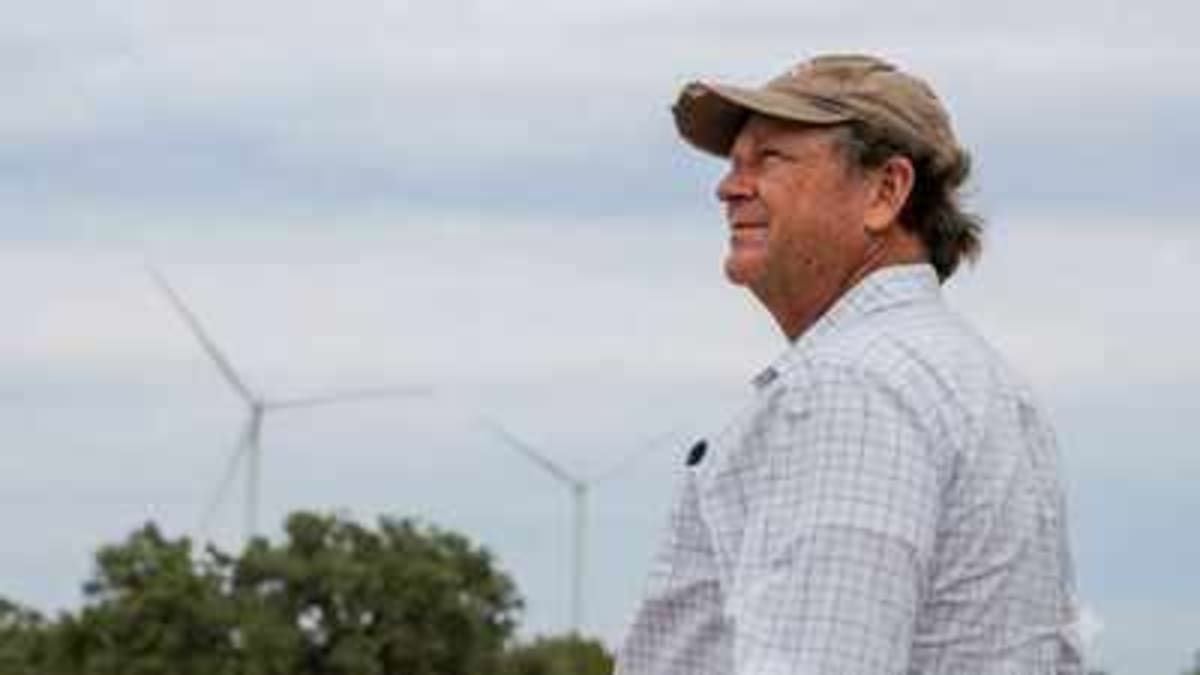
A fifth-generation West Texas rancher rejected wind turbines twice before seven turbines on his land became a financial lifeline. The steady royalty payments now help John E. Davis pay for workers, feed, and equipment while he continues raising sheep, goats, and cattle.
John E. Davis said no to wind turbines on his family's West Texas ranch not once, but twice. Today, those same turbines provide the steady income that keeps his fifth-generation ranching operation alive.
Davis and his brother Keith first turned down developers in 2016, telling them they didn't want "any of those ugly old wind turbines" on their Concho County property. When the developers returned 18 months later, they rejected the proposal again.
What changed their minds was simple math. Livestock prices fluctuate, droughts drain resources, and feed costs keep climbing. The brothers needed a reliable income stream to keep the ranch running.
Davis's father, a former Shell Oil employee, put it plainly: "Well, does it pay any money?" When Davis confirmed it did, his father agreed. The family negotiated a contract with minimum royalty payments that increase every five years.
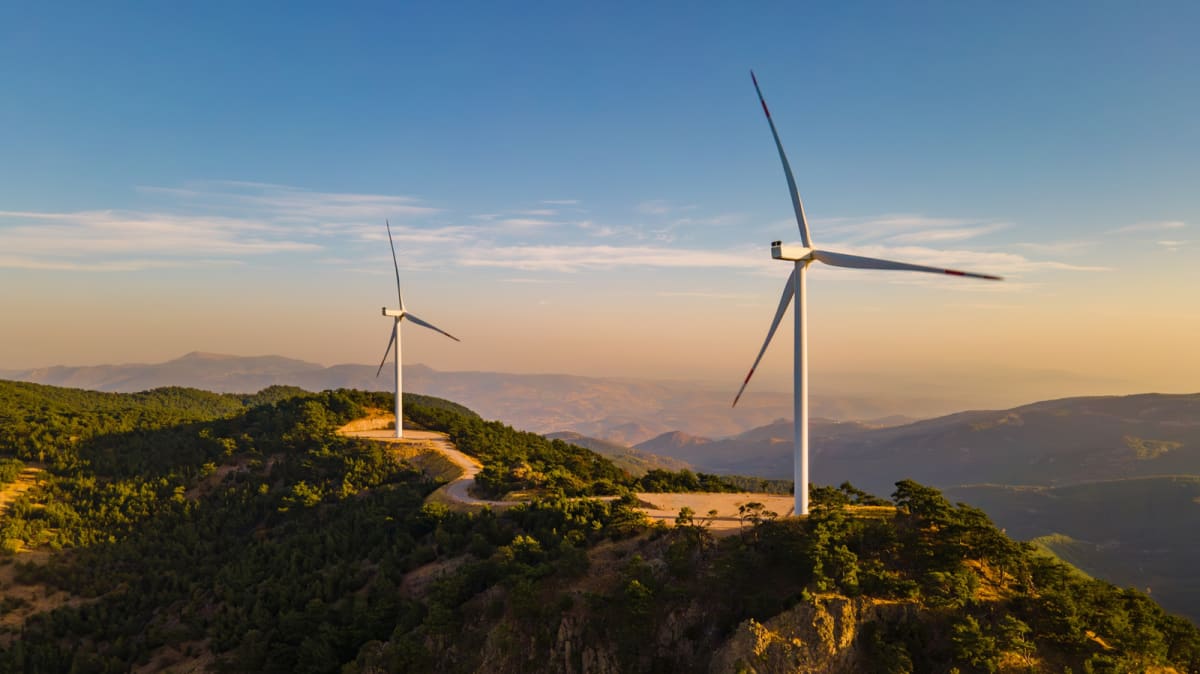
Seven turbines went up on the Davis ranch in 2018 as part of the 148-megawatt Cactus Flats Wind Facility. The payments started flowing in 2019.
Davis calls the wind revenue "a lifeline for us." The quarterly checks pay for ranch workers, animal feed, fencing, water equipment, and repairs. Unlike livestock income that rises and falls with market conditions, the wind lease provides predictable money every three months.
The turbines didn't replace ranching. Davis still raises about 200 nanny goats, 200 Dorper ewes, and 30 cows on the same land. In summer, his sheep rest in the shade cast by the turbines.
The Ripple Effect
The wind project brought unexpected benefits beyond the checks. Developers built roads to access the turbines, cutting travel time across the rocky property from 25 minutes to three and a half minutes.
Davis used his wind income to invest in his community. He transformed a former Exxon site in nearby Menard into a community hub with an EV charging station, music stage, farm stand, and book exchange. He's adding a beer garden and plans to sell Wagyu beef products and host live music events.
For Davis, a conservative Republican and former Texas state representative, the issue comes down to property rights. He believes rural landowners should decide for themselves whether to host wind, solar, or other energy infrastructure on their land.
"It's private property rights. It's our land. It's mine. It's a way to use the land to support your family, support your next generation," Davis said.
The steady wind payments have given Davis something priceless: the ability to keep ranching while building a future for the next generation.
More Images



Based on reporting by Google News - Wind Energy
This story was written by BrightWire based on verified news reports.
Spread the positivity!
Share this good news with someone who needs it