Texas Scientists Cut Battery Costs With New Cathode Design
University of Texas researchers have cracked a major barrier in making lithium-ion batteries cheaper and more efficient. Their breakthrough could slash costs while meeting surging demand for electric vehicles and renewable energy storage.
Your smartphone charges every night thanks to decades of battery innovation, and now scientists are making that technology cheaper and more accessible than ever.
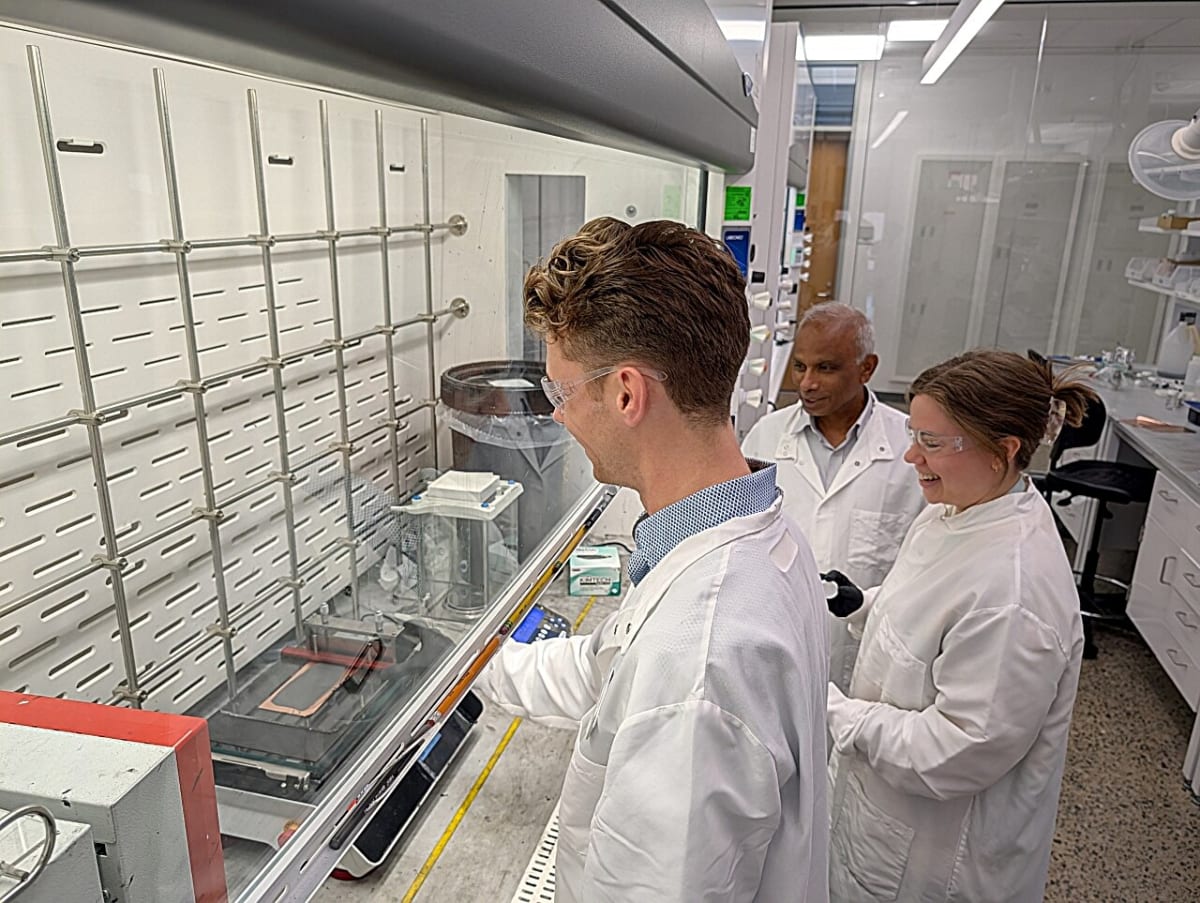
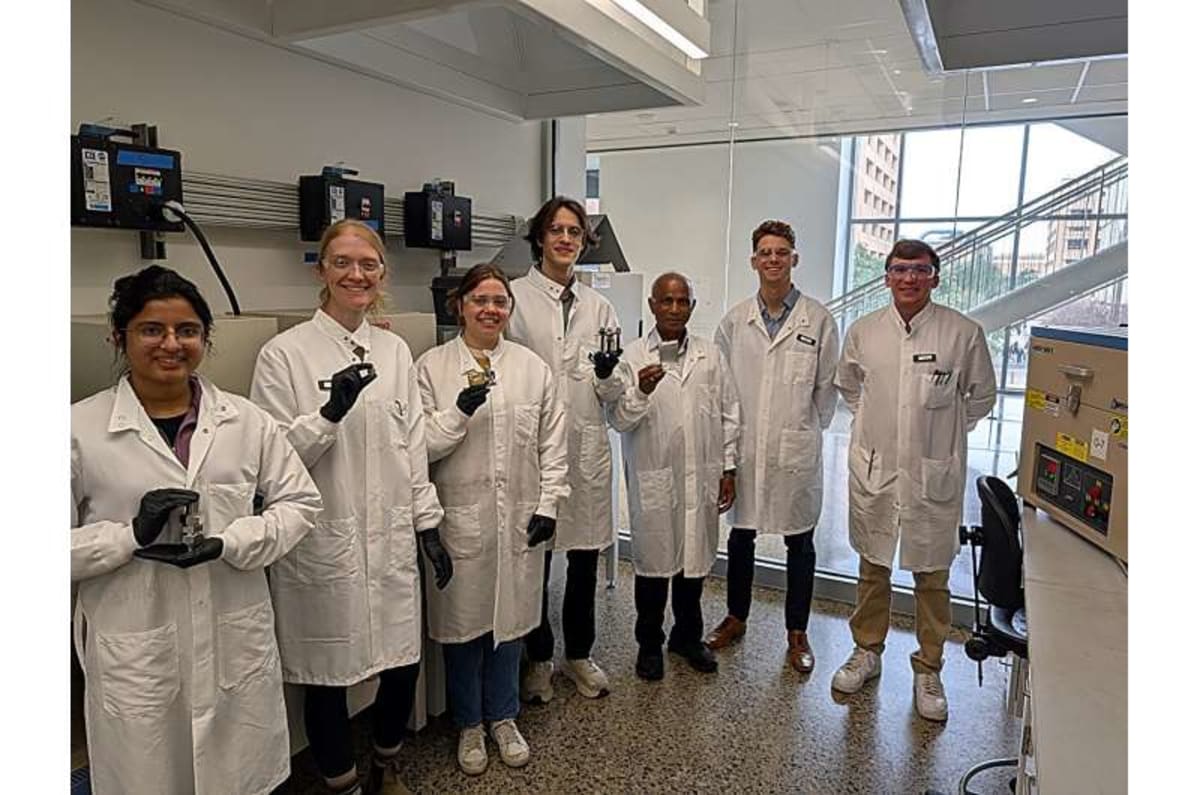
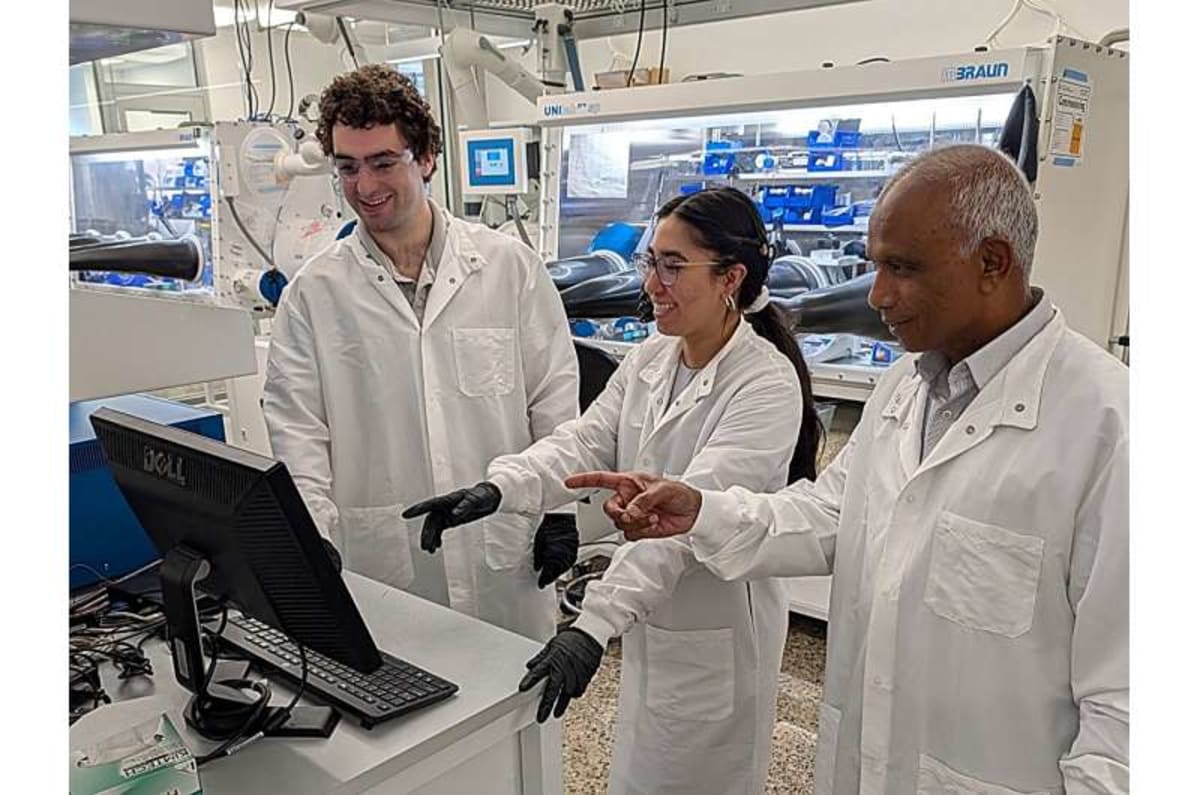
Professor Arumugam Manthiram and his team at the University of Texas at Austin just published groundbreaking research in Nature Energy that tackles the biggest expense in lithium-ion batteries. The cathode, which makes up half the materials cost, is getting a major upgrade.
The timing couldn't be better. The lithium-ion battery market hit $60 billion in 2024 and is expected to triple within a decade as electric vehicles and renewable energy storage become mainstream.
Manthiram has spent nearly 40 years studying battery chemistry at UT Austin, working alongside Nobel Prize winner John Goodenough, who invented the original cathode materials in the 1980s. Now he's pushing that legacy forward with a framework that could revolutionize how we design these crucial components.
The secret lies in understanding three key factors: how electrons arrange themselves in cathode materials, how chemical bonds form, and how materials react with each other. Getting these wrong can tank a battery's performance or create safety risks. Even stable materials like iron can cause problems when paired incorrectly with lithium.
Here's where it gets exciting. Manthiram's team is combining traditional experiments with artificial intelligence to speed up discoveries. They run tests at the Texas Materials Institute, feed the complex data into machine learning models, and let AI predict which materials to try next.
Why This Inspires
This isn't just about making gadgets cheaper. Affordable, efficient batteries are the backbone of our clean energy future. They power electric cars that reduce emissions, store solar and wind energy for cloudy and calm days, and make renewable energy practical for millions of people.
While other researchers are experimenting with alternative materials like sulfur and sodium, those technologies remain years away from your pocket. Manthiram's work improves the batteries we already use and trust, making them accessible to more people right now.
The research represents something rare in science: fundamental knowledge that directly solves real-world problems. Supply chain disruptions from conflicts and environmental concerns have made battery materials harder to source. Understanding how to use these materials more efficiently means we can do more with less.
The combination of human expertise and artificial intelligence is opening doors that seemed impossible just years ago. Google DeepMind recently predicted 528 new compounds that could work as lithium-ion conductors, showing the potential of this approach.
Manthiram emphasizes that AI alone isn't enough. Human scientists must interpret the results and understand what they mean. His students and postdocs are learning to blend computational power with decades of chemical knowledge.
This work continues a proud legacy of Texas innovation that changed how billions of people live their daily lives, and it's making that future brighter and more affordable for everyone.
More Images

Based on reporting by Phys.org - Technology
This story was written by BrightWire based on verified news reports.
Spread the positivity!
Share this good news with someone who needs it