Texas Tests Flying Taxis That Could Save Lives
Electric air taxis are now flying in Texas skies, and their first missions could transport lifesaving medical supplies to rural communities. The three-year test program brings science fiction closer to reality.
Imagine an organ transplant patient whose life depends on a delivery arriving in time, and the only thing standing in the way is traffic and distance.
Texas just launched a solution that could change that equation forever. The Texas Department of Transportation started Project Nexus earlier this month, a three-year program testing how electric flying taxis can fit into everyday transportation across the state.
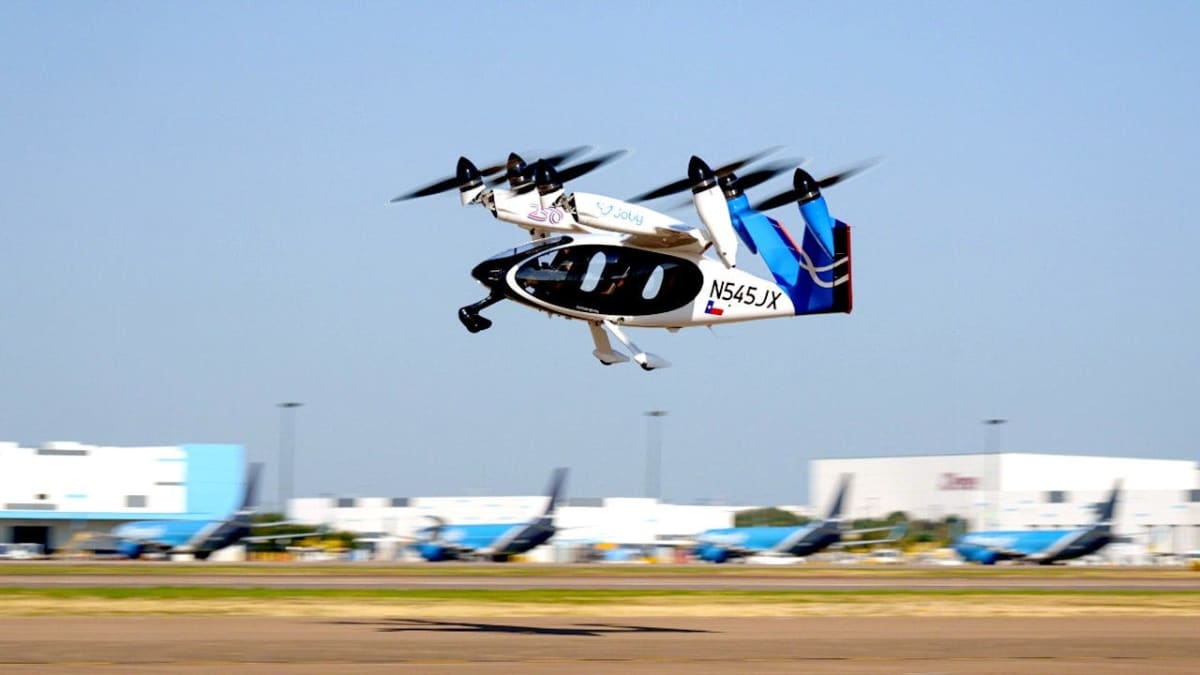
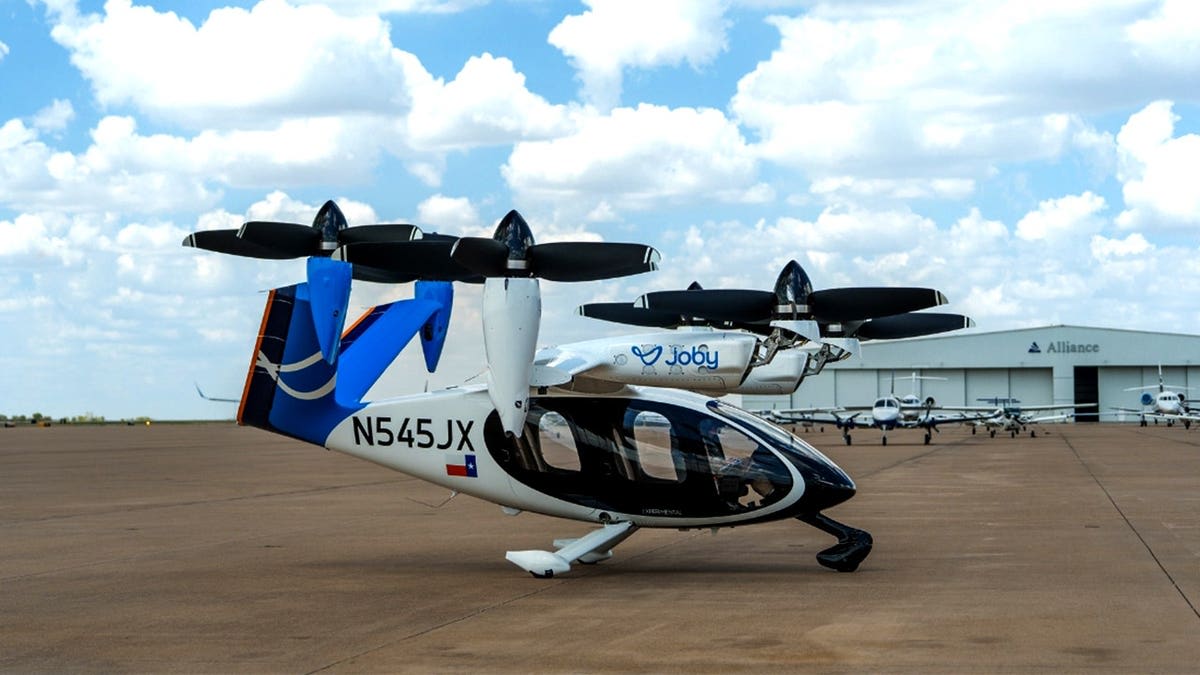
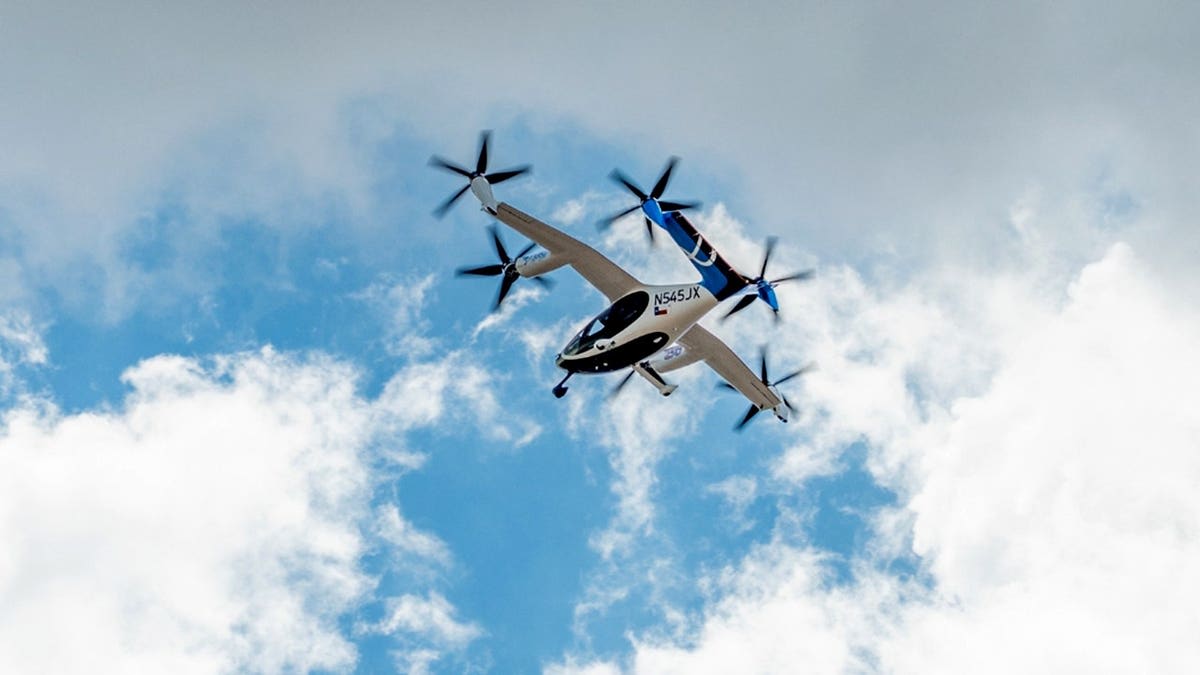
The kickoff at Perot Field Fort Worth Alliance Airport featured demonstrations from companies like Joby Aviation, which showcased its electric vertical takeoff and landing aircraft. These eVTOLs rise straight up like helicopters, then transition into forward flight using wings.
No passengers rode along on these initial flights. Instead, researchers are collecting data on routes and testing how these aircraft can safely share airspace with traditional planes.
Joby's test flights included some ambitious routes, including a direct flight into DFW International Airport's controlled airspace. That puts an electric air taxi into the same busy airspace used by one of the world's busiest airports, showing regulators exactly how these aircraft might operate around major transportation hubs.
The company has leased a 45,000-square-foot facility at Alliance Airport, establishing a long-term presence in North Texas that extends well beyond these initial tests.
The Ripple Effect
Here's what makes this program especially meaningful. While flying taxis grab headlines with images of people soaring over traffic, Project Nexus plans to focus its later phases on medical and cargo logistics first.
The program specifically aims to transport critical medical supplies and organs between rural facilities and urban medical centers in cities like Austin and San Antonio. For rural communities that often face longer wait times for emergency medical resources, this technology could mean the difference between life and death.
A trip that might take an hour by ambulance through traffic could shrink to just minutes by air. Time-sensitive deliveries like organs for transplant, blood supplies, or emergency medications could reach patients faster than ever before.
This approach also gives the technology a chance to prove its reliability before putting passengers aboard. Medical cargo missions can demonstrate real-world value while engineers and regulators continue refining safety protocols for passenger flights.
The work builds on years of preparation, including NASA and FAA studies that began in North Texas back in 2018. Passenger air taxi service will come later, once these foundational missions prove the technology works.
Texas is betting that the future of transportation doesn't just mean faster commutes, it means saving lives that distance and traffic once put at risk.
More Images


Based on reporting by Fox News Latest Headlines (all sections)
This story was written by BrightWire based on verified news reports.
Spread the positivity!
Share this good news with someone who needs it