Texas Volunteers Walk in Alzheimer's Patients' Shoes
A Texas nonprofit is using special gloves, glasses, and headphones to help caregivers experience what it's like to live with Alzheimer's. The simple simulation is transforming how volunteers interact with patients.
Volunteers in Longview, Texas are stepping into the disorienting world of Alzheimer's disease for a few minutes to become better caregivers for a lifetime.
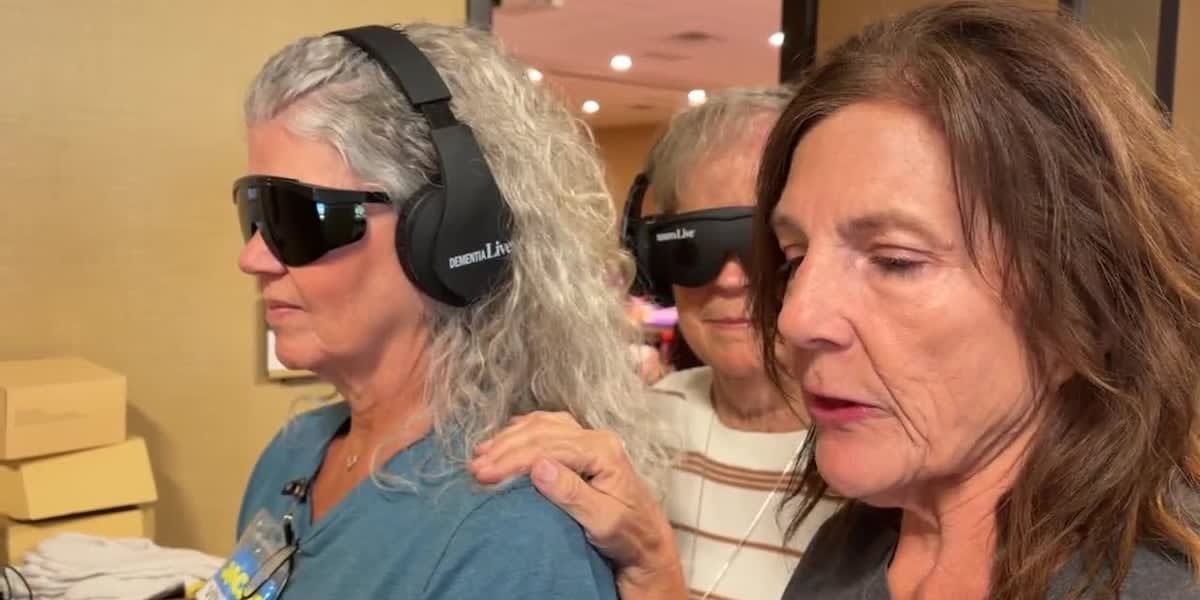
The East Texas Alzheimer's Alliance launched a program called Dementia Live at their Hope and Help Day Club, a weekly gathering at Mobberly Baptist Church that gives patient caregivers a much-needed break. The program uses simple equipment to simulate the daily reality of Alzheimer's patients.
Executive Director Beth Godsey guides volunteers through the experience using three pieces of gear. Special gloves reduce the sense of touch in fingers, mimicking the numbness that develops as dementia progresses. Glasses create tunnel vision, replicating how peripheral vision narrows over time. Headphones fill the ears with constant noise, like being stuck in a crowded restaurant where concentration becomes impossible.
Volunteer Mary Benson put on the full setup and immediately felt woozy from the glasses alone. Then Godsey asked her to complete everyday tasks: button a shirt, tie shoes, assemble puzzle pieces, fold pillowcases, stack measuring cups.
The background noise made following simple instructions nearly impossible. Frustration set in quickly as Benson struggled to understand what was being asked of her. "I just found something to keep me busy hoping I would make my caregiver happy," she said, describing the helpless feeling that washed over her.
Why This Inspires
The five-minute simulation created an instant shift in understanding that years of reading about Alzheimer's never could. Benson has a close friend living with the disease, and the experience immediately changed her approach to caregiving.
Now she reminds herself to stand directly in front of her friend where she can be seen, rather than speaking from the side. Those small adjustments, learned through temporary discomfort, can make the difference between connection and isolation for someone with dementia.
Godsey believes this kind of empathy training leads to better care. When caregivers understand that confusion and frustration aren't stubbornness but symptoms, patience becomes easier and relationships grow stronger.
The program is transforming not just individual interactions but the entire culture of caregiving in East Texas, one simulated experience at a time.
Based on reporting by Google: volunteers help
This story was written by BrightWire based on verified news reports.
Spread the positivity!
Share this good news with someone who needs it