Thai Chefs Reveal Ancient Healing Secrets in Everyday Dishes
Traditional Thai cuisine was designed as medicine disguised as delicious food, and now chefs are revealing the therapeutic wisdom hidden in recipes passed down for generations. From herb-packed wraps to charcoal desserts that settle stomachs, these dishes prove healthy eating has always been part of Thai culture.
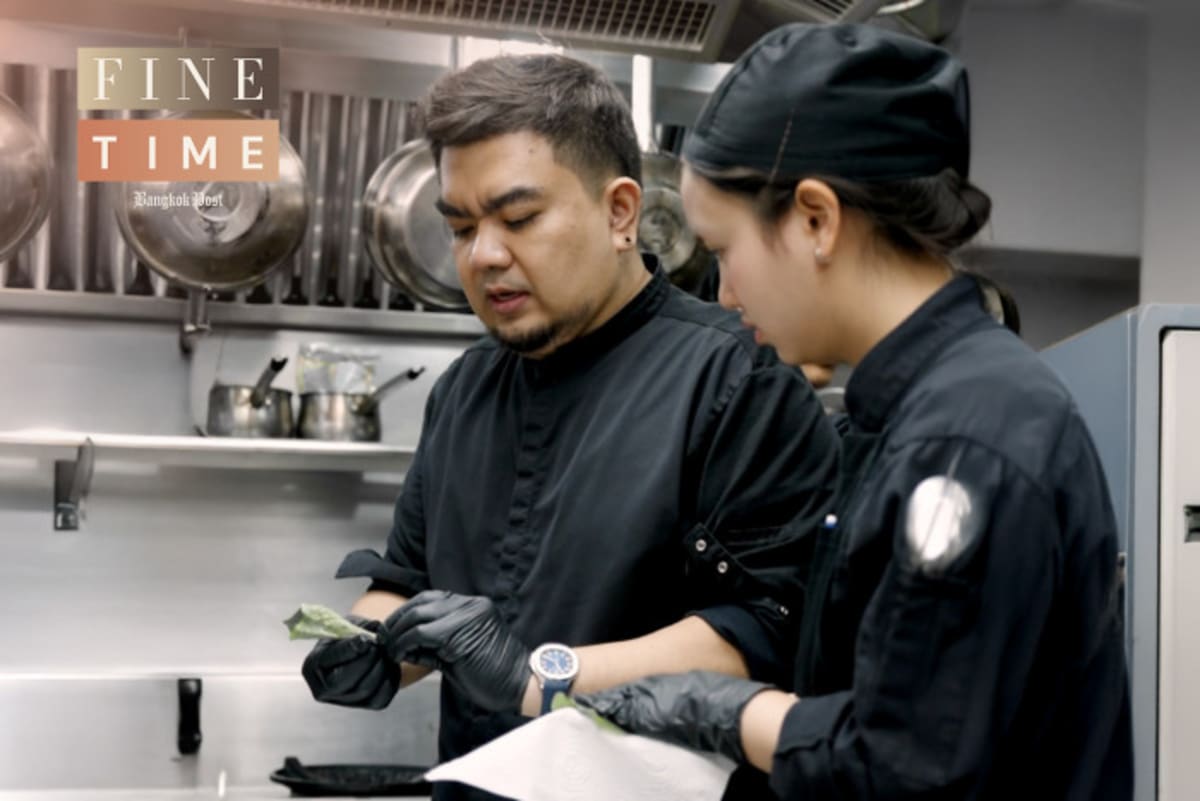
Thailand's beloved dishes weren't just created to taste good. Many traditional recipes were intentionally designed to heal, nourish and protect the body, according to Chef Zetrong Valasura Na Lampang, who learned this ancient wisdom from his father, a Thai traditional medicine practitioner.
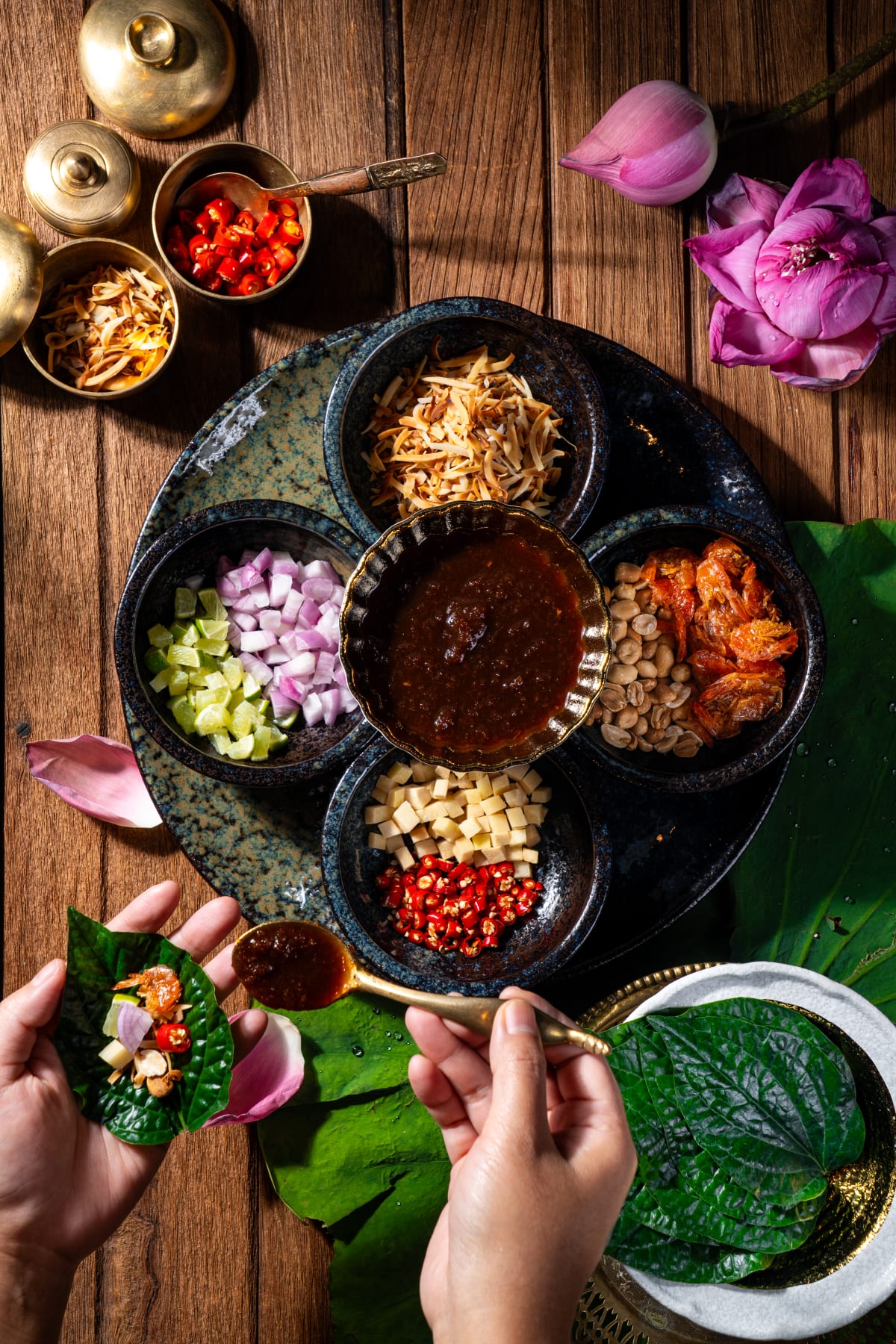
Take Miang Kham, a popular street snack that packs fresh ginger, lime, shallots, toasted coconut, peanuts and chili into wild betel leaves. Each ingredient serves a purpose: ginger fights inflammation, lime delivers vitamin C, and the betel leaves themselves aid digestion while adding a peppery kick.
Or consider Kaeng Liang, a clear soup loaded with pumpkin, ivy gourd and leafy greens in a pepper-forward broth. The warming pepper stimulates circulation and digestion, while the abundance of seasonal vegetables provides vitamins and fiber that many older Thais credit for keeping them healthy throughout their lives.
Even desserts were crafted with wellness in mind. Khanom Hin Fon Thong, a dark sweet made with rice flour and coconut milk, gets its distinctive color from finely ground charred coconut shell. Travelers once carried this dessert on long journeys because the activated carbon was believed to absorb toxins and protect against stomach problems from unfamiliar food or untreated water.
Chef Zetrong points to Hor Mok as another example of thoughtful cooking. Unlike fried curries, this fish custard is steamed in banana leaves, eliminating added oils while preserving moisture and protein. The technique makes it particularly suitable for older adults seeking nutrition without heavy fats.
Nam prik, the chili dip served at the center of many Thai meals, comes surrounded by colorful raw and blanched vegetables that provide fiber and vitamins. When coconut milk coats the vegetables, its natural fat cleverly softens the chili's heat while adding healthy fats.
Some dishes remain unfamiliar even to many Thais. Kaeng Ya, built around fish and medicinal herbs like cha-plu leaves, represents what Chef Zetrong calls "medicine in the form of curry." The wide variety of herbs reflects an older cooking style where meals were intentionally designed to support health through natural ingredients.
The philosophy extends beyond individual dishes. Thai cooking brings sweet, sour, salty and spicy flavors together on a single plate, creating balance in every bite. Soft curries pair with crunchy vegetables, and rich coconut dishes balance lighter herbal soups.
Why This Inspires
This approach to food offers a refreshing perspective in a world of complicated diets and conflicting nutrition advice. Thai cooks weren't obsessing over calories or macros. They simply understood that eating well meant choosing ingredients that nourish both body and spirit, then preparing them in ways that preserve their benefits.
The wisdom was never lost, just waiting to be rediscovered on plates across Thailand.
More Images



Based on reporting by Bangkok Post
This story was written by BrightWire based on verified news reports.
Spread the positivity!
Share this good news with someone who needs it

%2Ffile%2Fattachments%2F2994%2Ffrozenfood-conversation_910276.jpg)