Thai Scientist Names Biggest Dinosaur in Southeast Asia
A paleontologist who dreamed of naming a dinosaur as a kid just identified a 27-ton giant from his homeland Thailand. The discovery fulfills a childhood promise and opens new chapters in Southeast Asian prehistory.
Thitiwoot Sethapanichsakul used to tell his high school teachers he would name a dinosaur from Thailand someday. This week, that childhood dream became reality when he announced the discovery of Nagatitan, the largest dinosaur ever found in Southeast Asia.
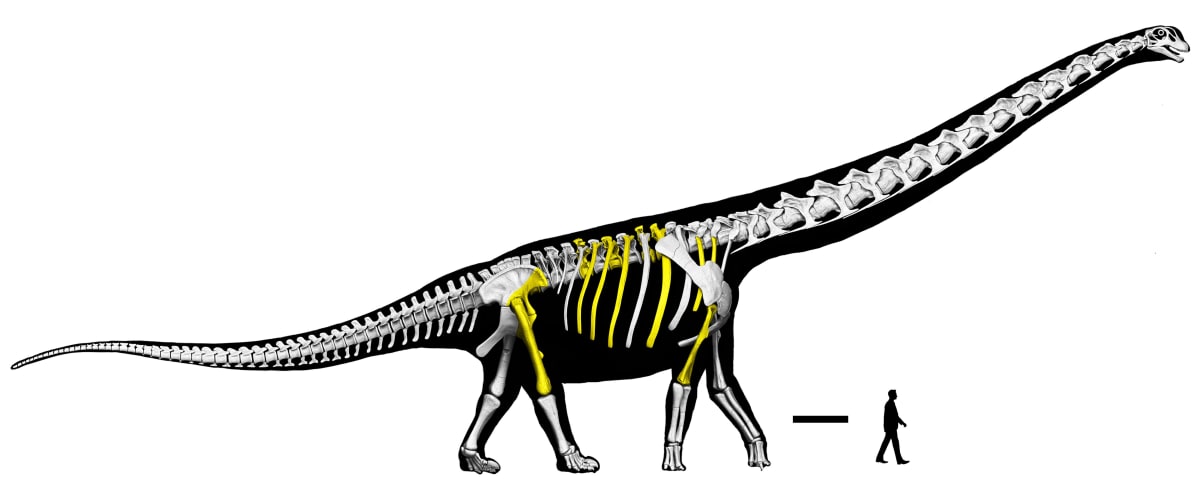
The massive creature weighed about 27 tons and stretched 27 meters from head to tail. That's as heavy as six elephants combined, roaming what is now Thailand's Chaiyaphum province over 100 million years ago.
The story started in 2016 when villager Thanom Luangnan spotted unusual bones poking out near a pond during a charity fishing event. He immediately recognized something special and called authorities, setting off years of careful excavation.
"I finally saw the humerus, the upper leg bone, and it was taller than myself," said Sethapanichsakul, now a PhD student at University College London. "Most of the bones take at least four people to lift and move around."
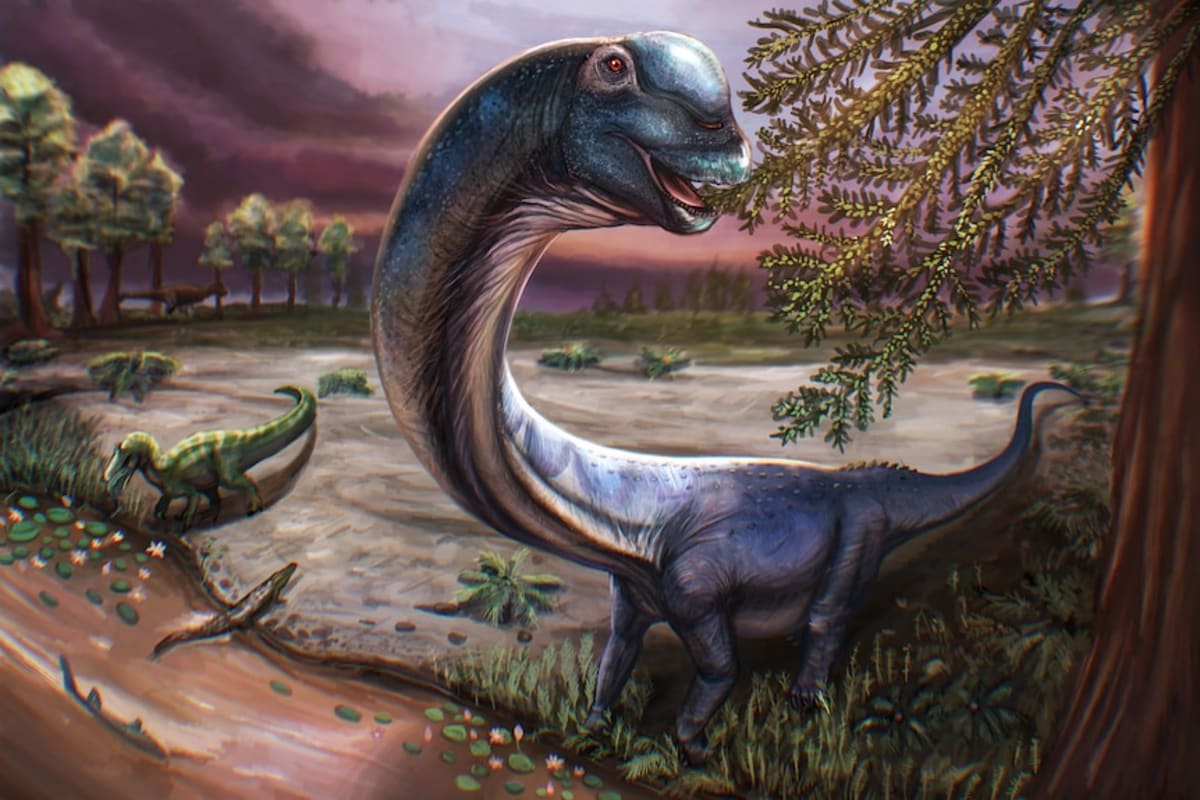
The team named the species Nagatitan after the serpent Naga from Southeast Asian mythology. With its long neck and column-shaped legs, it would have munched on high conifer branches, using its enormous size as protection from predators.
Funding challenges shelved the bones in 2020, but Sethapanichsakul and colleague Sita Manitkoon secured a National Geographic grant in 2024 to finish the work. They scanned about a dozen bones and created a 3D digital skeleton, filling gaps by comparing similar dinosaurs.
Why This Inspires
Stephen Poropat from Curtin University points out that most major fossil discoveries start with regular people noticing something unusual. Thanom Luangnan's sharp eyes and curiosity triggered a find that rewrites Southeast Asian paleontology, proving anyone can contribute to scientific breakthroughs.
The discovery also reveals how sauropods evolved during a warming period 120 to 100 million years ago. "As you get bigger, you get hunted less because dinosaurs can't go after you," Sethapanichsakul explained. "Evolution was driving sauropods to just get bigger and bigger."
Now the team is determined to inspire the next generation of Thai paleontologists to explore their region's prehistoric past. For Sethapanichsakul, keeping that promise to his teachers means everything: a kid's dream turned into scientific history, opening doors for countless others to follow.
More Images


Based on reporting by ABC Australia
This story was written by BrightWire based on verified news reports.
Spread the positivity!
Share this good news with someone who needs it