Thai Vets Turn Dog Fat Into Diabetes Cure
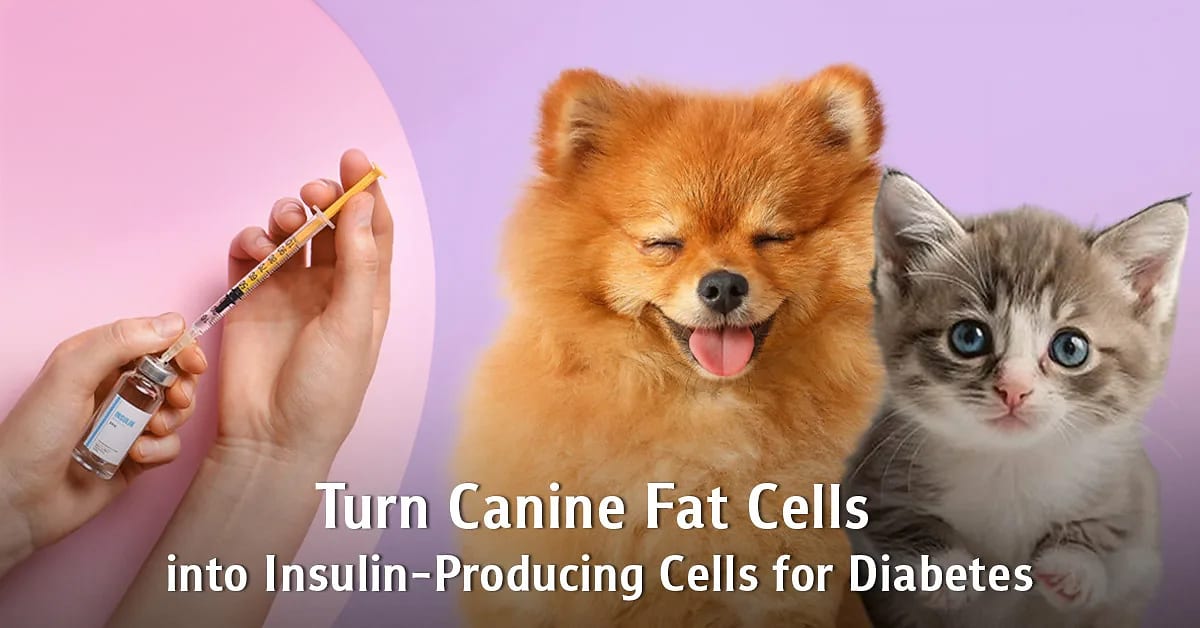
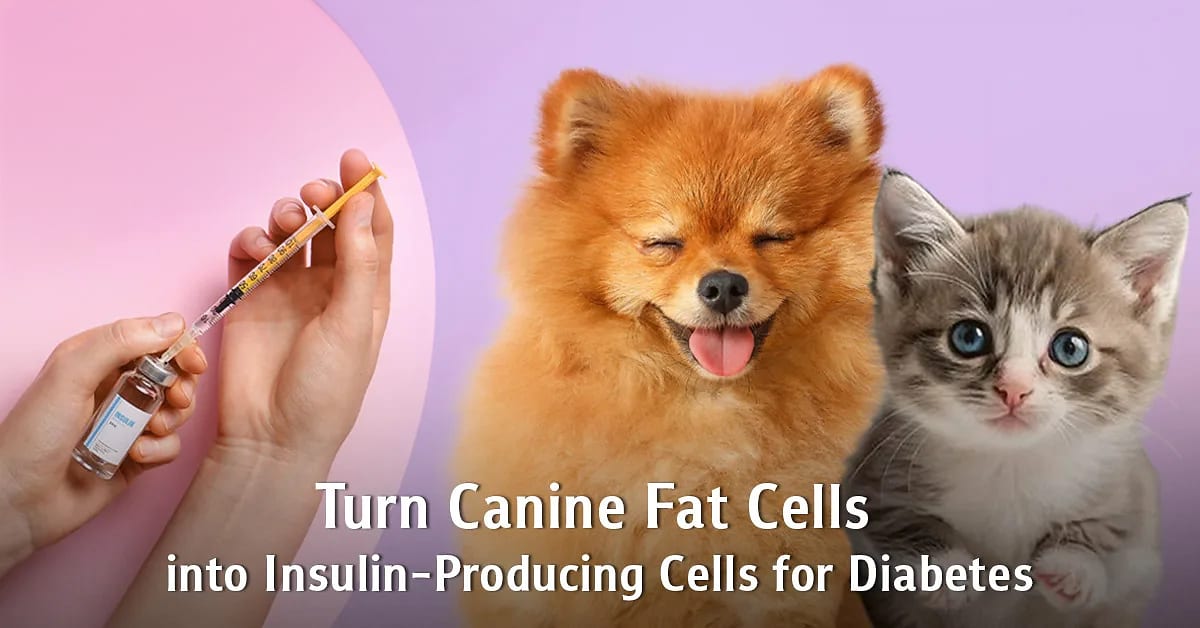
Scientists in Bangkok transformed fat tissue from dogs into working insulin-producing cells, potentially ending the need for daily diabetes injections in pets. The breakthrough could give diabetic dogs and cats their lives back.
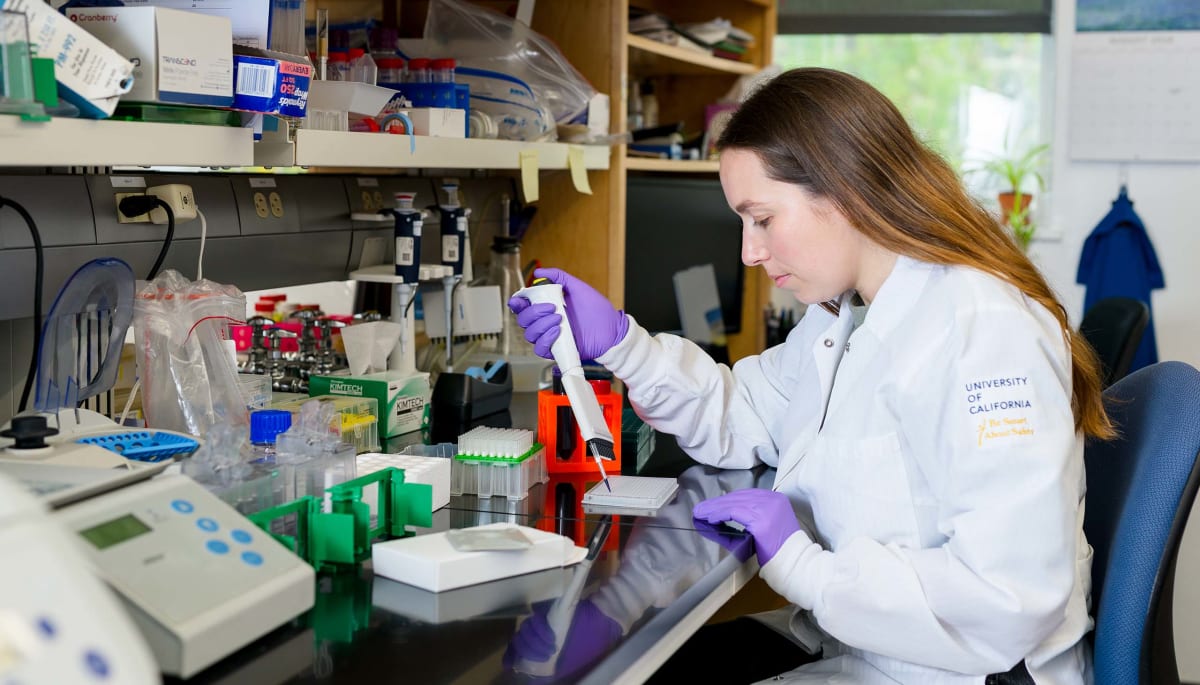
Dogs with diabetes face a lifetime of daily insulin shots, but veterinary researchers at Chulalongkorn University in Bangkok just changed the game. After a decade of work, they've successfully turned stem cells from canine fat tissue into cells that produce insulin naturally.
The breakthrough matters because diabetes affects roughly one in every 300 dogs and cats receiving veterinary care. In dogs, the disease mirrors Type 1 diabetes in humans, where the pancreas loses its ability to make insulin. Cats develop a version closer to Type 2 diabetes. Either way, pet owners face the daily burden of insulin injections and careful monitoring.
Dr. Chenphop Sawangmake and his team at the Veterinary Stem Cell and Bioengineering Innovation Center spent five years testing different stem cell sources. They compared bone marrow, oral tissue, and fat tissue before landing on fat as the winner. The choice proved brilliant: adipose tissue yields up to 500 times more stem cells than bone marrow and can be collected during routine spay or neuter surgeries.
The science behind the breakthrough involved teaching fat cells to become something entirely different. The researchers mimicked natural embryonic development, using genetic reprogramming and carefully controlled environments to guide stem cells toward their new purpose. They introduced genes that control beta cell development while adding biomolecules that shaped the cells' function.
The results exceeded expectations. The engineered cells secreted insulin at levels matching natural pancreatic cells. They also produced glucagon, proving they possessed the complete characteristics of pancreatic islets. Most importantly, the cells actually lowered blood sugar levels in animal studies.
Why This Inspires
This research transforms diabetes from a lifelong sentence into a potentially curable condition for companion animals. The team's approach makes cutting-edge stem cell therapy accessible and affordable since the fat tissue comes from routine surgeries many pets already undergo.
International studies in humans have already shown that beta cell transplants can free diabetes patients from insulin injections for years. Now that same hope extends to the four-legged family members who depend on us. Dr. Saranyou Oontawee, a team member, captured it perfectly: "Stem cell therapy is no longer out of reach. A small amount of adipose tissue collected during a routine surgical procedure could become the starting point for a treatment that transforms a dog's life."
The animal studies showed significant blood sugar improvements, and the treatment effects lasted. The team now aims to move toward transplanting these insulin-producing cells into diabetic pets, restoring their bodies' natural ability to regulate blood sugar.
Pet owners who've spent years giving daily injections and monitoring glucose levels may soon watch their companions live freely again.
More Images


Based on reporting by Google News - New Treatment
This story was written by BrightWire based on verified news reports.
Spread the positivity!
Share this good news with someone who needs it
%2Ffile%2Fattachments%2Forphans%2FFeatureimage24Aug_HaberdoedasPhotography_Pexelscopy_135558.jpg)