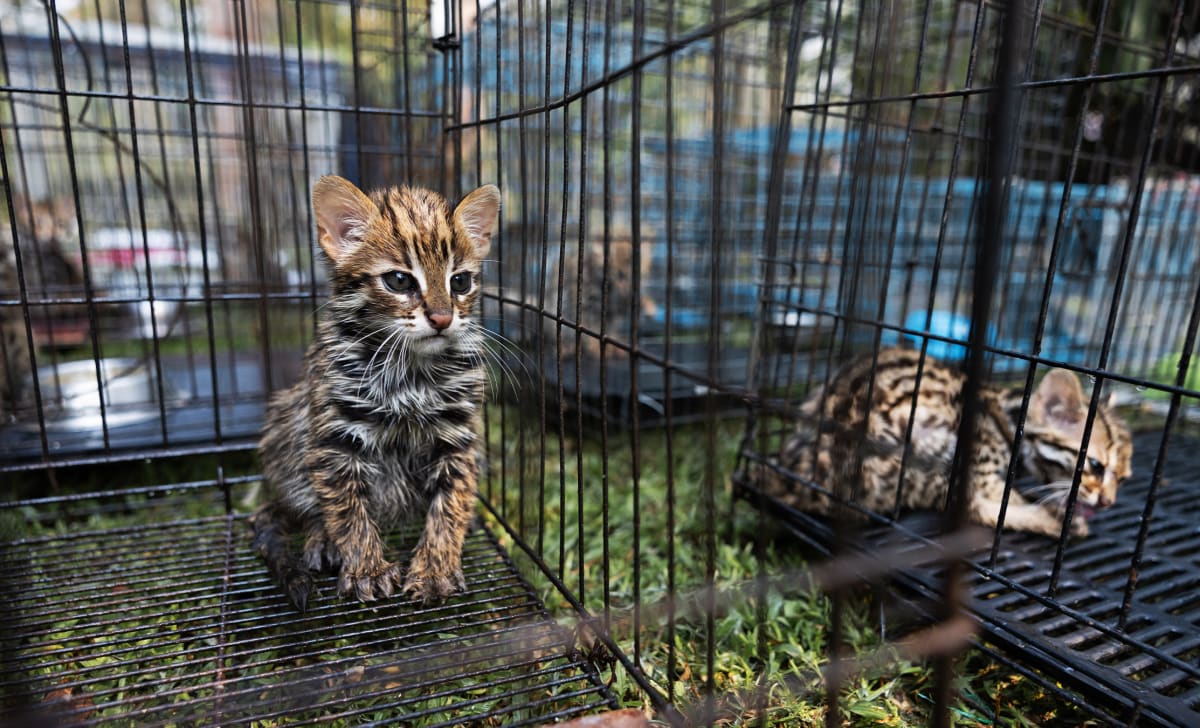
Thailand Cuts Sugarcane Fires, Saves 80% of Leopard Cat Cubs
Wildlife rescuers in Thailand are celebrating an 80% survival rate for leopard cat cubs this year, double the previous rate, as new regulations dramatically reduce agricultural fires. The progress shows how policy changes can quickly protect wildlife caught between shrinking forests and farmland.
In northeastern Thailand, tiny leopard cat cubs are surviving agricultural fires at twice the rate they did just two years ago, thanks to new government action on crop burning.
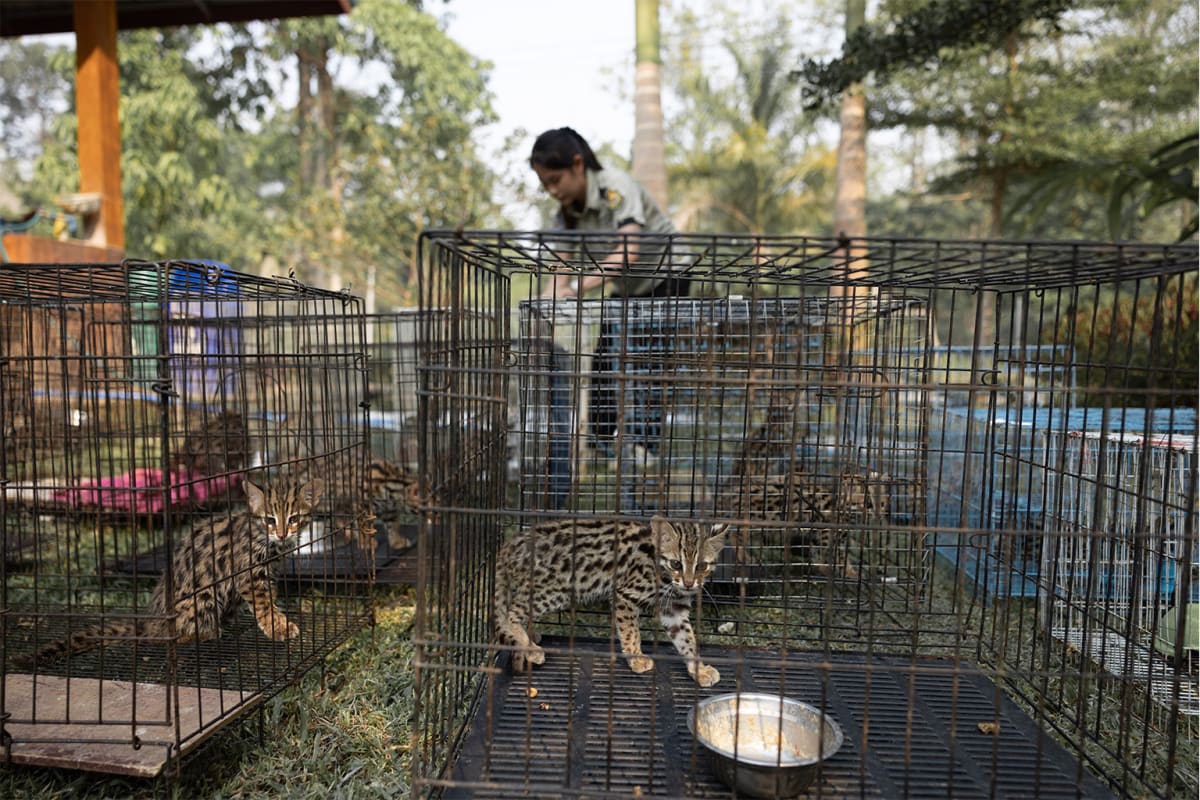
Nuntita Ruksachat, head veterinarian at the Khon Kaen wildlife rescue center, has watched the transformation firsthand. This season, 80% of rescued leopard cat cubs survived, compared to just 40% in previous years.
The improvement comes as Thailand cracks down on the practice of burning sugarcane fields after harvest. New regulations introduced stricter penalties for farmers and mills, improved satellite monitoring, and offered subsidies for alternative clearing methods.
The results arrived quickly. By January 2026, 90% of sugarcane purchased by mills came from unburned fields. Satellite data showed a 25% drop in agricultural fires across the northeast during the early burning season.
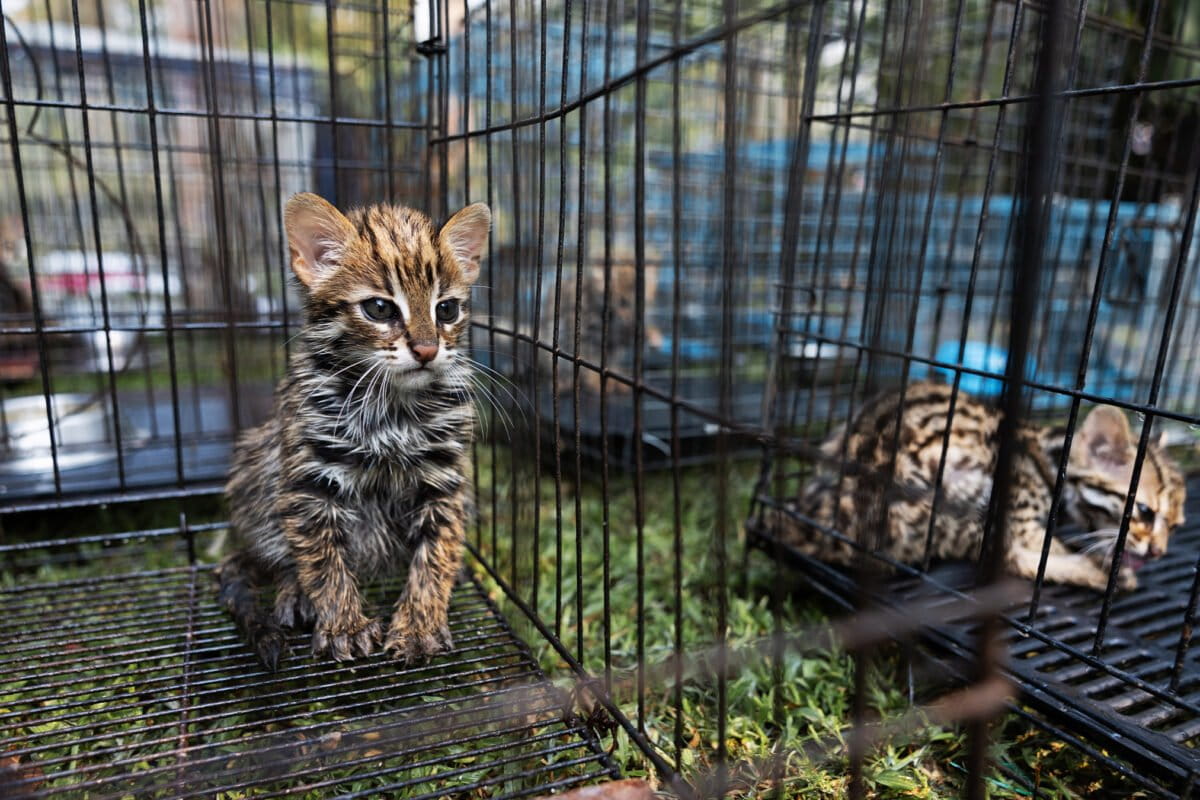
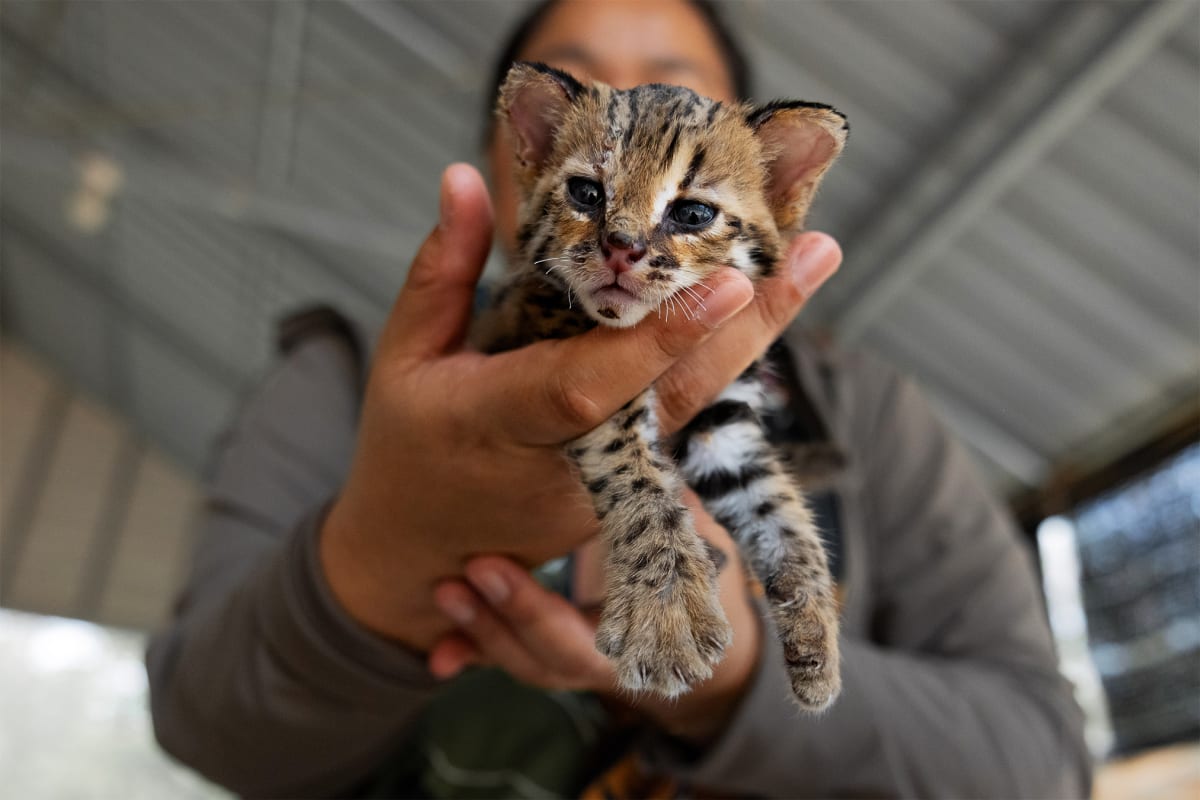
Leopard cats, small wild felines no bigger than house cats but covered in distinctive spots and stripes, have adapted to life in sugarcane plantations as forests have shrunk across Asia. The fields provide shelter and prey for mothers raising their young.
But every December through April, when farmers traditionally burn their harvests, those same plantations become death traps. Adult cats can flee, but cubs are left behind. Rescuers find them alone and weak, often with scorched fur and blistered skin.
Since 2023, rescue admissions jumped from around 10 cubs per year to between 40 and 65. The increase likely reflects both more fires and better reporting through a wildlife hotline launched in 2019.
This year brought another positive sign: fewer cubs arrived with severe burns. The pattern suggests they're escaping direct contact with flames more often, possibly because fires are becoming less widespread.
The Bright Side
The policy shift protecting leopard cats shows broader benefits too. Reducing agricultural fires improves air quality for millions of people and preserves forest habitat that extends beyond plantation borders.
Rattapan Pattanarangsan, conservation manager at Panthera Thailand, notes that fires force leopard cats to expend extra energy reproducing after losing litters, reduce their prey, and even fuel illegal wildlife trade as people opportunistically collect orphaned cubs. Fewer fires mean fewer cascading problems.
The rescued cubs spend months at the center before being released back into protected areas. Staff move them from small cages to larger enclosures as they grow stronger and learn survival skills.
Thailand's experience demonstrates that wildlife protection doesn't require choosing between conservation and agriculture.
More Images

Based on reporting by Mongabay
This story was written by BrightWire based on verified news reports.
Spread the positivity!
Share this good news with someone who needs it