Three-Legged Leopard Crosses Borders, Gives Hope to Species
A Persian leopard named Aren traveled over 155 miles across two countries despite losing a leg to a landmine. His remarkable journey shows how endangered wildlife can thrive when conservationists work together across borders.
A three-legged leopard just proved that international borders can't stop nature's resilience.
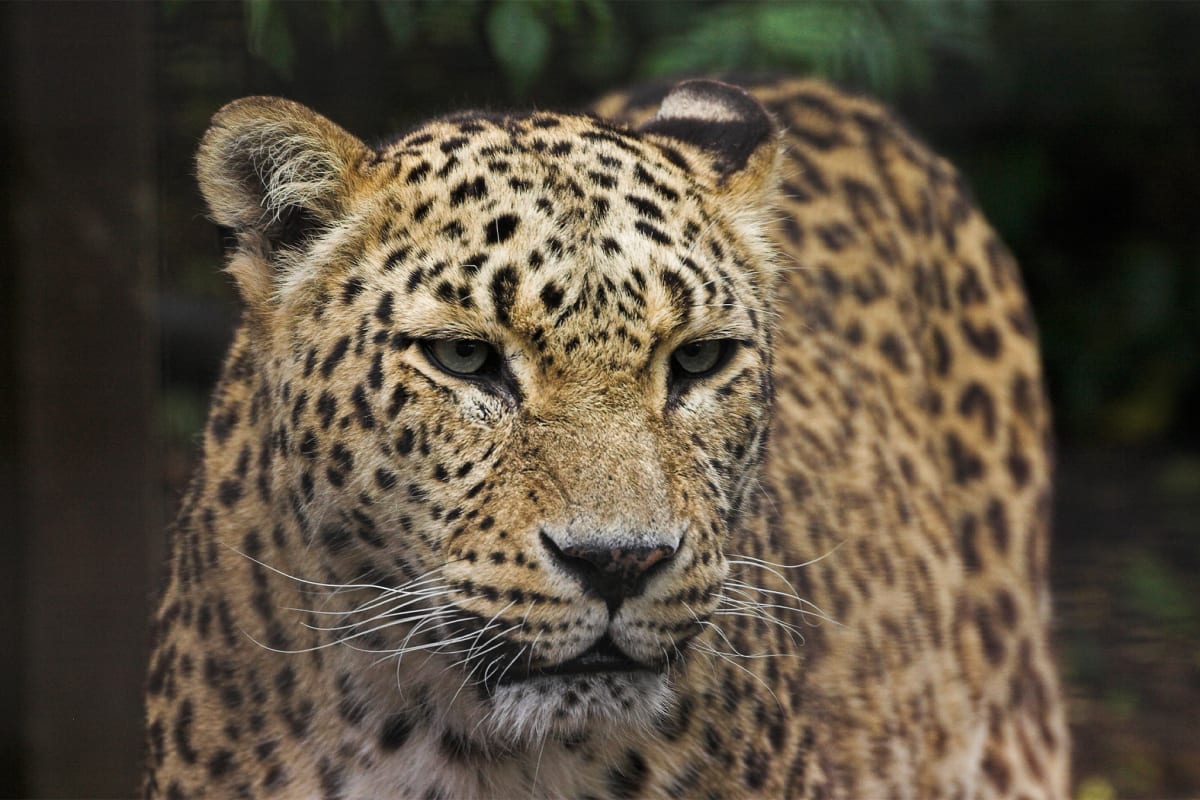
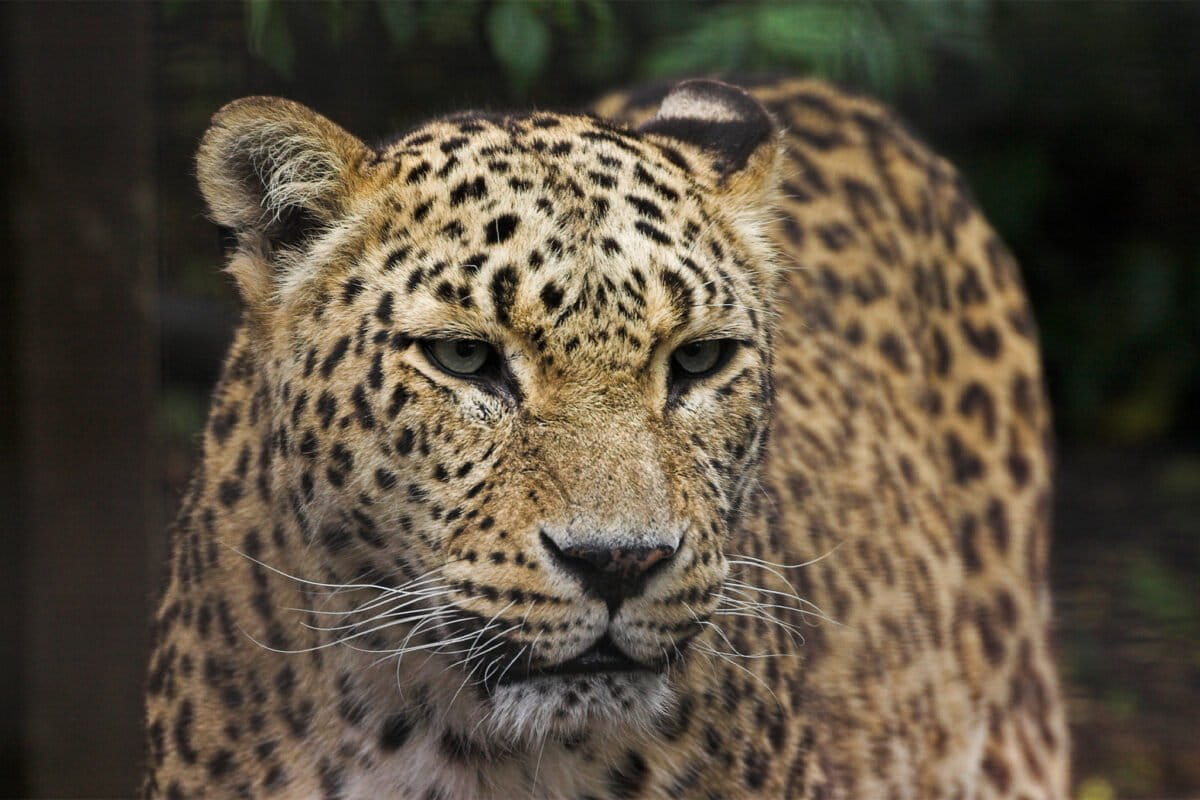
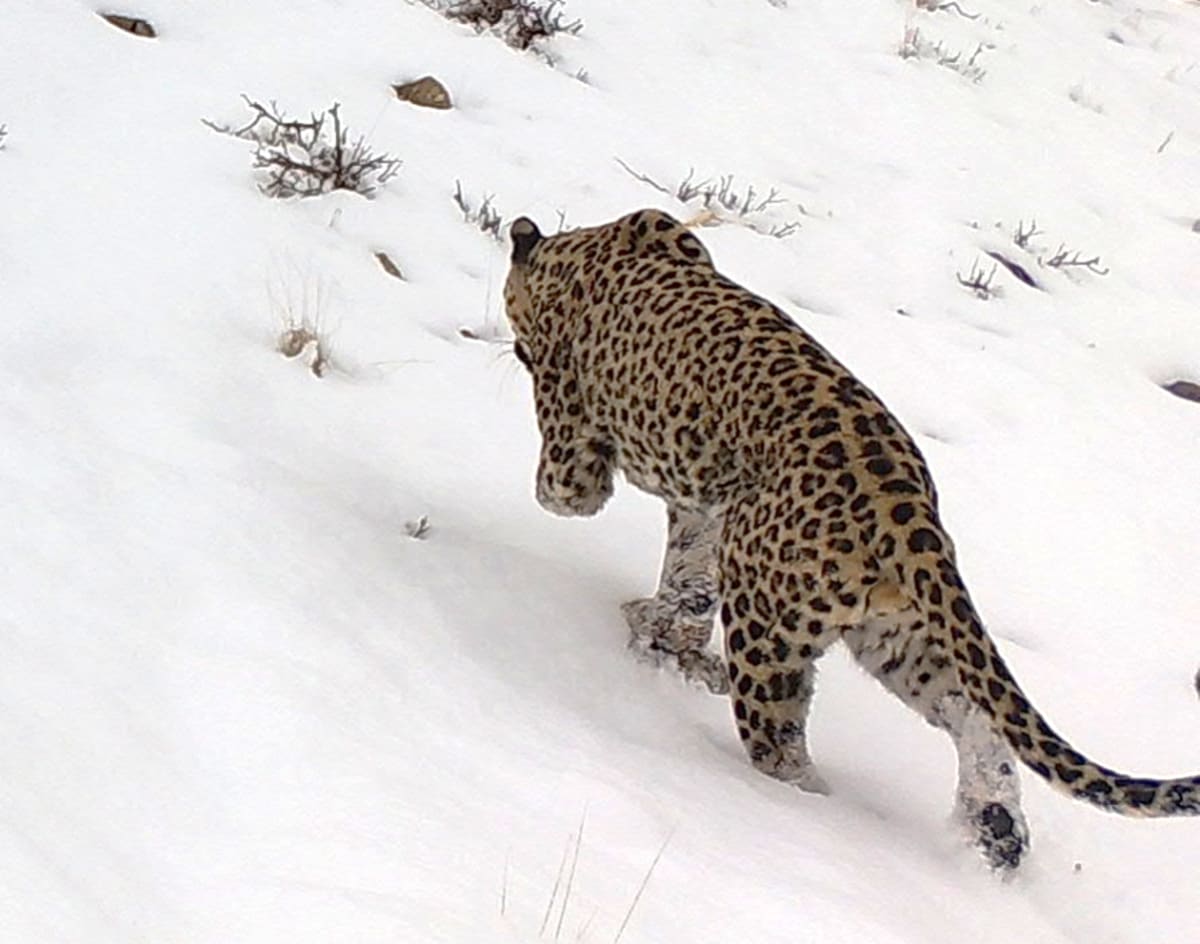
Last September, conservationists in Georgia spotted Aren, a male Persian leopard, on security cameras at Algeti National Park. The sighting was only the third time in 20 years that anyone had seen this critically endangered subspecies in the country.
Aren's story began in 2019 in Armenia's Arpa Protected Landscape, where rangers first filmed him with all four legs intact. Later that year, he appeared again on camera traps, now missing part of his left foreleg. Rangers believe he stepped on a landmine near the Azerbaijan border, where these deadly explosives have littered the landscape for decades.
Instead of succumbing to his injury, Aren adapted. Head ranger Samvel Karapetyan described the leopard as "fat," having modified his hunting technique to ambush Bezoar goats from cave mouths despite his disability.
In 2022, Aren vanished from his Armenian territory, possibly pushed out by a dominant male. He resurfaced in 2024 some 80 miles north in Ijevan Forest, and by September 2025 had crossed into Georgia, completing a journey of at least 155 miles on three legs.
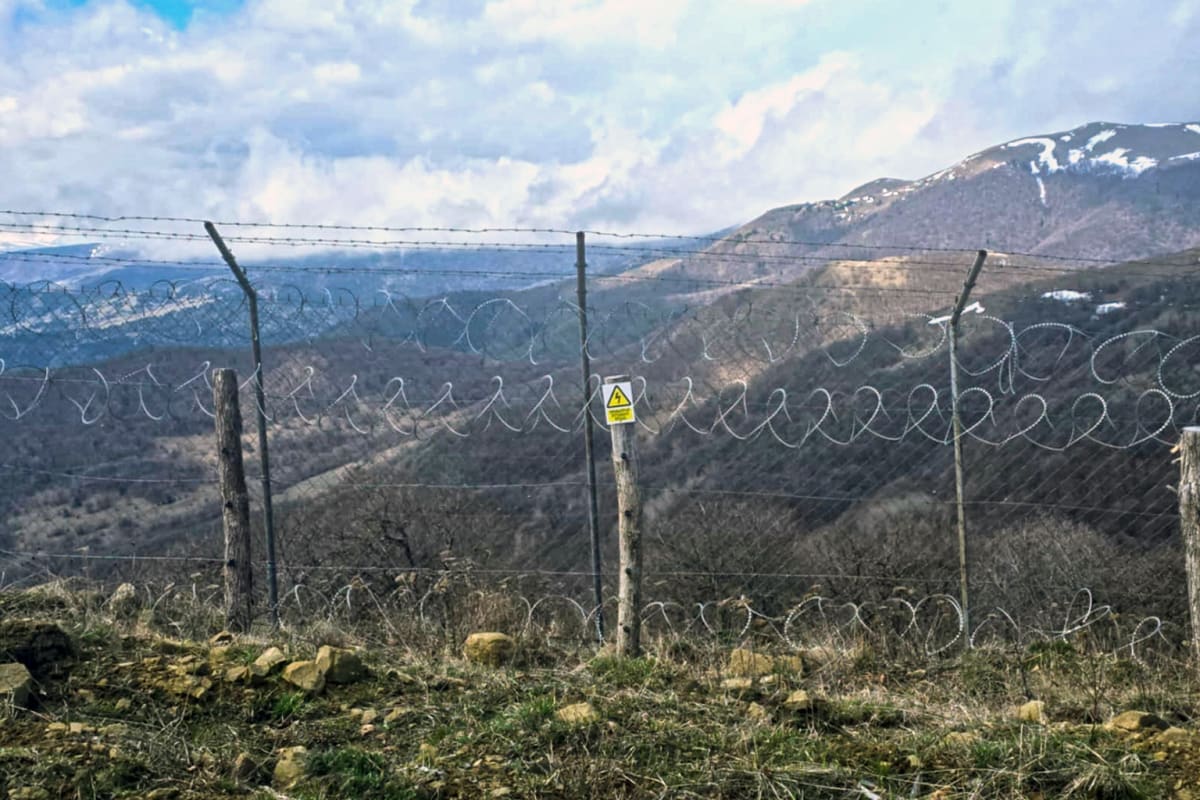
Fewer than 1,100 Persian leopards remain in the wild today. They face threats from poachers, farmers protecting livestock, habitat loss, and dangerous border crossings laced with landmines and razor wire fences.
Why This Inspires
Aren's journey reveals something powerful about conservation. His ability to cross borders shows that wildlife doesn't recognize human boundaries, and neither should protection efforts.
Hana Raza, founder of Leopards Beyond Borders, explained that leopards traveling long distances isn't unusual, but it's essential. These movements maintain genetic diversity and help populations survive. Young males often travel over 190 miles searching for new territories.
What makes Aren special is how his story connects conservationists across countries. WWF Caucasus biologist Vazha Kochiashvili immediately recognized the three-legged cat from Georgia footage because rangers share information across the region.
This cooperation matters more than ever. Persian leopards now occupy just one quarter of their historic range, with habitats fragmented by roads, fences, and political conflict. Most leopard deaths come from retaliatory killings when they prey on livestock.
But Aren proves that with protected landscapes, restored habitat connectivity, and cross-border collaboration, these magnificent cats can survive and even flourish. His thriving condition despite his disability shows the strength of both the species and the conservation efforts supporting them.
Aren's three-legged trek across mountains and minefields offers hope that endangered wildlife can reclaim their ancestral ranges when humans choose to help rather than hinder.
More Images

Based on reporting by Mongabay
This story was written by BrightWire based on verified news reports.
Spread the positivity!
Share this good news with someone who needs it