Thailand Merges AI and Farming to Boost Economy
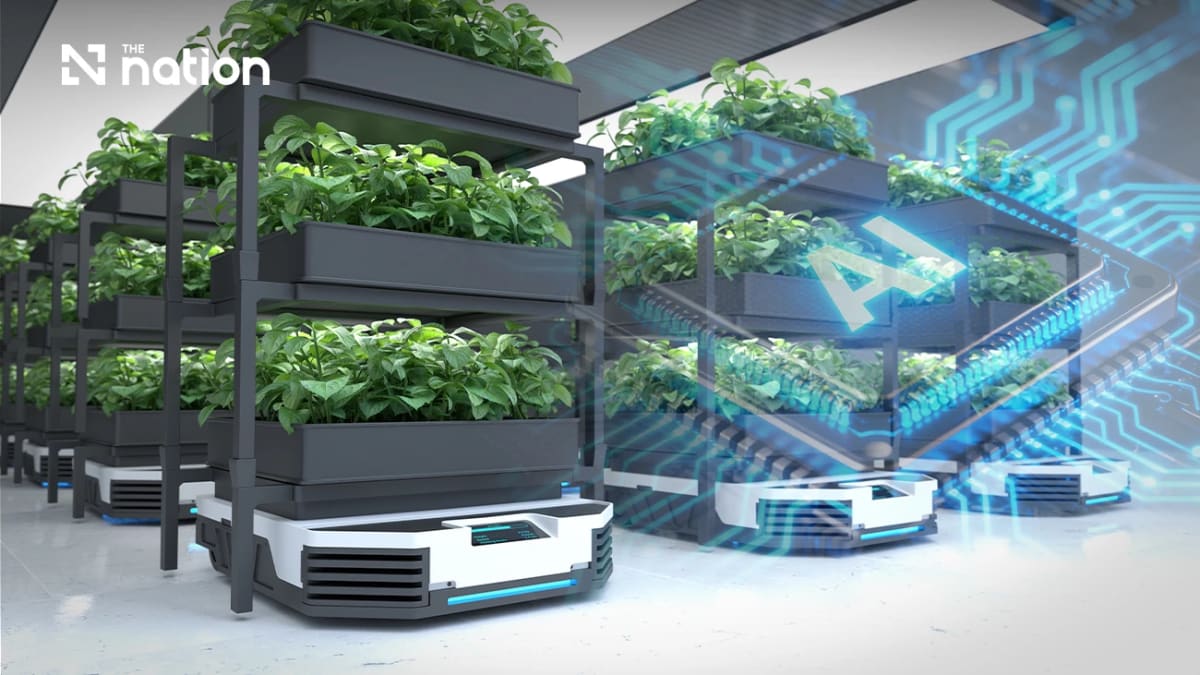
Thailand just launched "AI squared," a bold strategy combining artificial intelligence with agriculture to transform both traditional farming and high-tech industries. The plan aims to spread technological benefits beyond foreign corporations to local farmers and small businesses across the nation.
Thailand is betting its economic future on an unlikely partnership: pairing cutting-edge artificial intelligence with the country's age-old farming traditions.
The Southeast Asian nation unveiled its "AI squared" strategy this week, designed to lift agriculture from contributing just 8.7% of GDP to becoming a high-value industry powered by robotics, precision sensors, and smart data systems. Industry Minister Varawut Silpa-archa announced the plan at the Delta Future Industry Summit, calling agriculture and AI "two engines that should work together" for Thailand's next chapter.
The timing couldn't be more critical. While Thailand's tech exports jumped 45% in early 2026 thanks to the global AI boom, most profits flowed to multinational corporations rather than Thai companies. Meanwhile, agriculture still employs 28% of Thailand's workforce, many struggling with traditional methods and thin profit margins.
The new strategy tackles both challenges at once. Farmers will gain access to AI-powered tools for precision agriculture, advanced food processing, and even carbon credit management. At the same time, Thailand plans to develop domestic capabilities in semiconductor design, industrial automation, and chip manufacturing rather than relying on imported technology and foreign expertise.
"The true measure of industrial development is not simply how much investment enters Thailand. It is how much capability remains in Thailand," Varawut stressed during his address.
Food security drives much of the thinking. With global supply chains fragmenting and climate disruption increasing, Thailand sees its fertile soil, water resources, and agricultural knowledge as strategic assets. Varawut quoted business leader Dhanin Chearavanont's description of these resources as "our oil above the ground."
The Ripple Effect spreads far beyond Thailand's borders. If successful, the model could show other agricultural nations how to leapfrog into high-tech industries without abandoning rural communities. The government projects its AI and digital technology sector will reach 100 billion baht by 2027, with parallel investments in green energy, smart grids, and electric vehicle infrastructure.
Four priorities guide the transformation: leveraging Thailand's network of 60+ industrial estates, streamlining regulations for smart manufacturing, balancing rapid growth with environmental protection, and strengthening small and medium businesses with skills, technology, and financing to join advanced supply chains.
The government wants Thailand ranked among the world's 20 most competitive economies while ensuring farmers and local businesses share in the prosperity, not just coastal elites and foreign investors.
Thailand is proving that feeding people and building semiconductors aren't opposing goals but complementary visions for a more inclusive technological future.
Based on reporting by Regional: thailand innovation (TH)
This story was written by BrightWire based on verified news reports.
Spread the positivity!
Share this good news with someone who needs it