Thailand Uncovers 150-Million-Year-Old Dinosaur Fossil
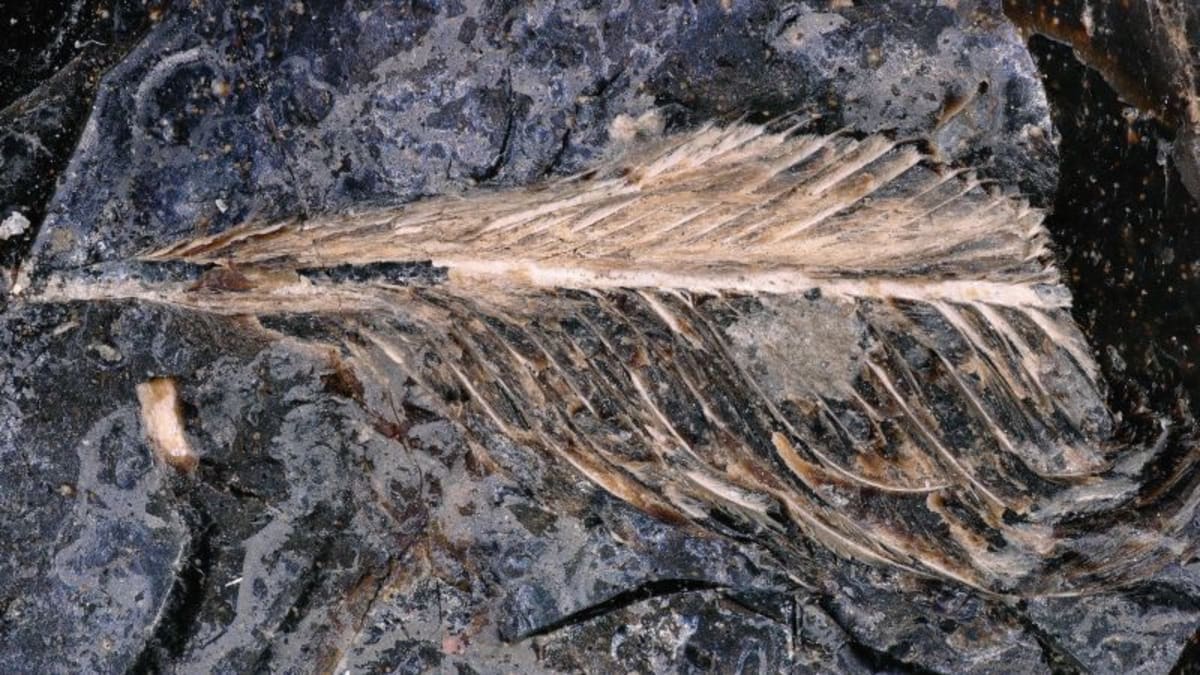
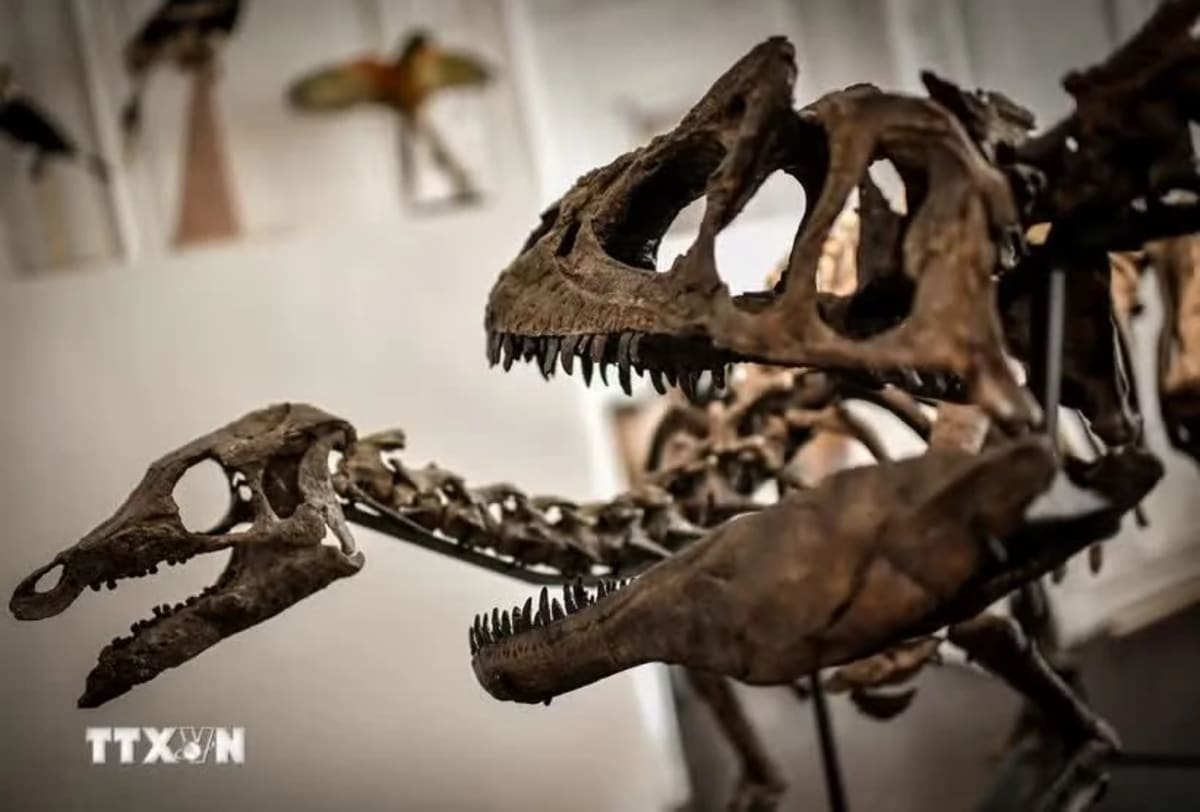
Scientists in Thailand discovered a carnivorous dinosaur fossil from 150 million years ago, offering new insights into prehistoric life in Southeast Asia. The find adds to Thailand's growing reputation as a treasure trove of ancient discoveries.
Deep in Thailand's Kalasin province, paleontologists just unlocked a window into a world that existed 150 million years ago.
The Phu Wiang Dinosaur Museum announced the discovery of a carnivorous dinosaur fossil at the Phu Noi fossil site, embedded in rock layers from the Late Jurassic period. The fossil was found in the Phu Kradung Formation, a geological treasure chest that has revealed multiple prehistoric species over the years.
This discovery comes on the heels of another major find earlier this year when researchers identified Nagatitan Chaiyaphumensis, the largest dinosaur species ever found in Thailand. That gentle giant belonged to the Titanosauridae family of long-necked herbivores and measured up to 30 meters in length, weighing more than 26 tonnes.
Thailand's northeastern provinces have become hotspots for paleontological research, attracting scientists from around the world. The region's unique geological formations preserve fossils with remarkable detail, offering clues about how dinosaurs lived, moved, and evolved across ancient Southeast Asia.
Why This Inspires
Every fossil discovery rewrites our understanding of Earth's history and reminds us how much we still have to learn. These ancient bones connect us to a time when giant reptiles roamed the planet, and each new find helps scientists piece together the story of how life on Earth evolved over millions of years.
Thailand's commitment to preserving and studying these fossils also creates opportunities for education and tourism. The Phu Wiang Dinosaur Museum draws visitors eager to see these prehistoric wonders, inspiring the next generation of scientists and nature enthusiasts.
The work continues at fossil sites across the country, where patient researchers carefully extract bones from ancient rock. Each discovery brings us closer to understanding the diverse ecosystem that once thrived in this region, from massive plant-eaters to fierce predators.
As technology advances, scientists can learn even more from these fossils, studying everything from diet to movement patterns. The carnivorous dinosaur found in Kalasin will undergo detailed analysis in the coming months, potentially revealing new information about predator behavior during the Jurassic period.
Thailand's prehistoric past keeps surprising us, one fossil at a time.
More Images

Based on reporting by Google: fossil discovery
This story was written by BrightWire based on verified news reports.
Spread the positivity!
Share this good news with someone who needs it