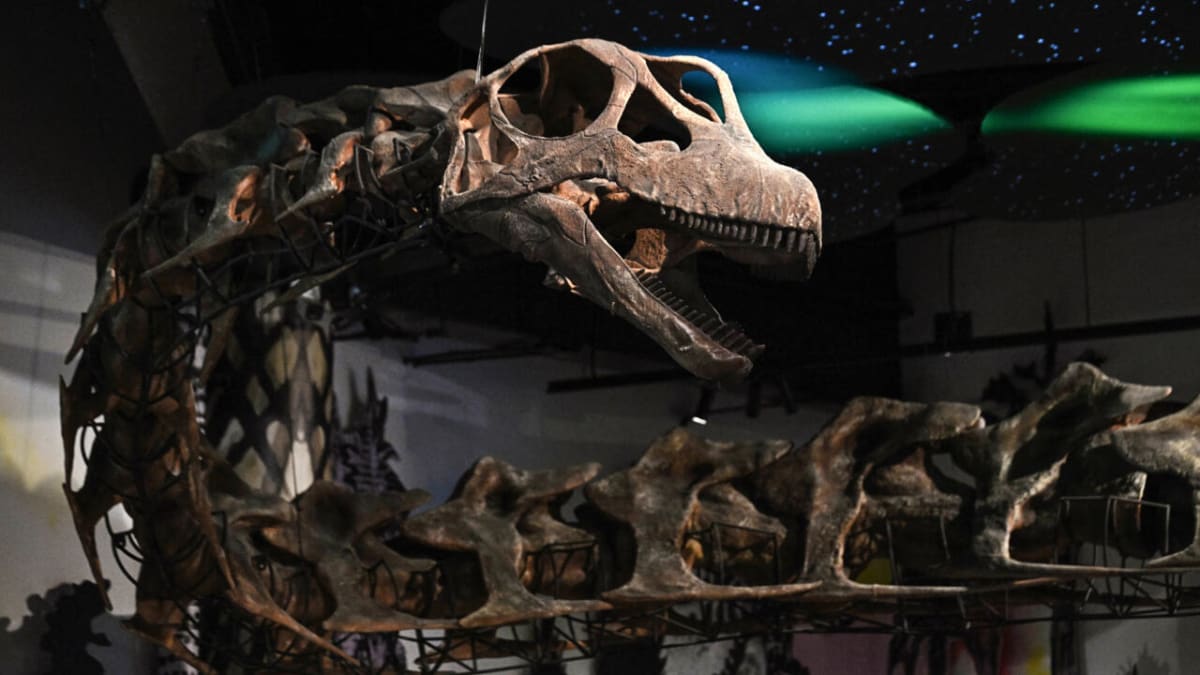
Thailand Unearths Largest Dinosaur in Southeast Asia
Scientists have discovered a colossal new dinosaur species in Thailand that weighed as much as nine elephants and stretched nearly 90 feet long. The gentle giant roamed the region over 100 million years ago and represents the largest dinosaur ever found in Southeast Asia.
A team of scientists has identified a massive new dinosaur species from fossils discovered in northeast Thailand, revealing the largest prehistoric creature ever found in Southeast Asia. The long-necked herbivore, named Nagatitan chaiyaphumensis, weighed approximately 27 tonnes and stretched 27 meters from head to tail.
The enormous sauropod roamed what is now Thailand between 100 and 120 million years ago. To put its size in perspective, researchers estimate it carried the same heft as nine adult Asian elephants or at least 10 tonnes more than the famous Dippy the Diplodocus cast displayed at London's Natural History Museum.
Local residents first unearthed remains of the creature a decade ago in Chaiyaphum province. The excavation wasn't completed until 2024, finally giving scientists enough material to identify this remarkable new species.
Lead researcher Thitiwoot Sethapanichsakul, a PhD student at University College London, calls the discovery "the last titan" because it came from one of the youngest rock formations where dinosaurs are found in Thailand. The region later transformed into a shallow sea, meaning this may be the most recent large sauropod scientists will discover in Southeast Asia.
The dinosaur's name honors both the region and its impressive stature. Nagatitan combines references to a serpent from Southeast Asian folklore, a giant from Greek mythology, and Chaiyaphum province where the bones were found.
Why This Inspires
This discovery reminds us that our planet still holds incredible secrets waiting to be uncovered. A decade of patient, careful work by researchers and local community members has added a stunning new chapter to our understanding of prehistoric life in Southeast Asia.
The partial remains showed enough unique features to confidently identify this as an entirely new species. Scientists can now piece together a more complete picture of how these gentle giants lived and evolved across different regions of ancient Earth.
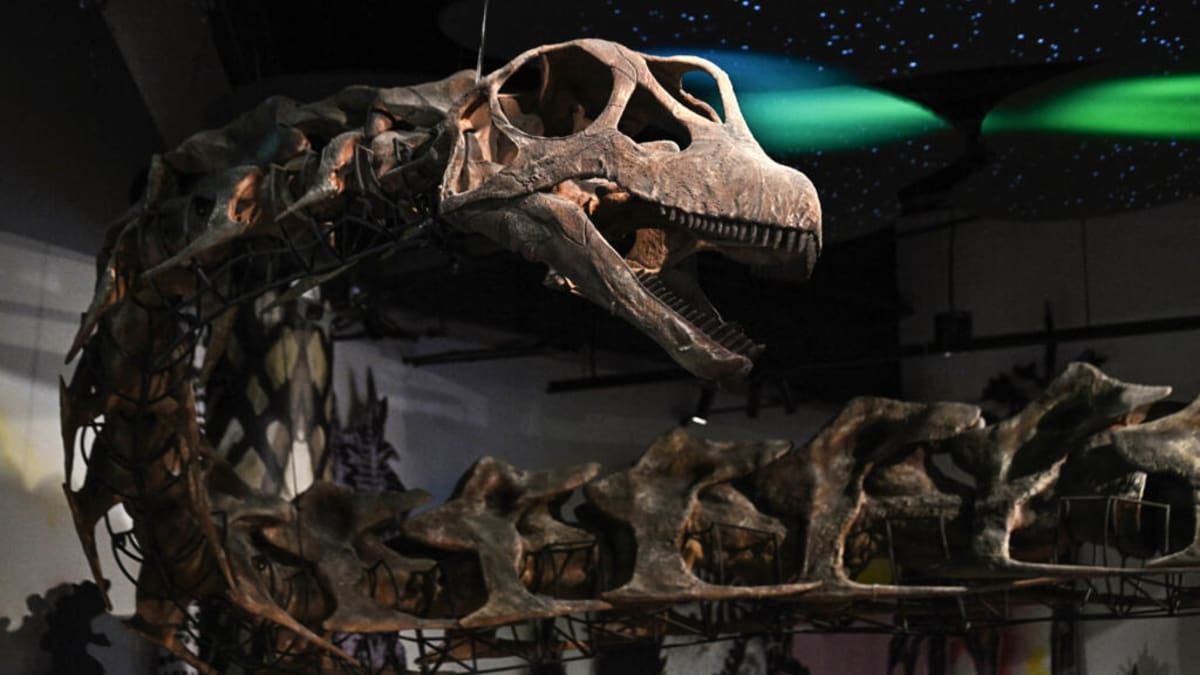
Today, visitors to Bangkok's Thainosaur Museum can see a life-size reconstruction of this magnificent creature, bringing the distant past vividly to life for new generations of dinosaur enthusiasts.
More Images
Based on reporting by France 24 English
This story was written by BrightWire based on verified news reports.
Spread the positivity!
Share this good news with someone who needs it