Thailand's AI Drones Detect Wildfires Before They Spread
Chiang Mai University has developed affordable AI-powered drones that patrol Northern Thailand's forests, spotting fires early to protect communities from deadly smoke. The under-$30,000 system brings world-class environmental defense to local rangers.
Northern Thailand's seasonal wildfire smoke has plagued communities for years, but a homegrown innovation is changing the game before the first flame spreads.
Researchers at Chiang Mai University have created an AI-powered drone system that patrols forests, detecting fires at their source and alerting authorities within minutes. Led by Assistant Professor Dr. Phudinan Singkhamfu at the College of Arts, Media and Technology, the project transforms how Thailand protects its air quality and public health.
The mountainous terrain of Northern Thailand makes traditional fire monitoring nearly impossible during the dry season. Smoke from forest fires creates dangerous PM2.5 haze that blankets entire provinces, forcing schools to close and sending thousands to hospitals with respiratory problems.
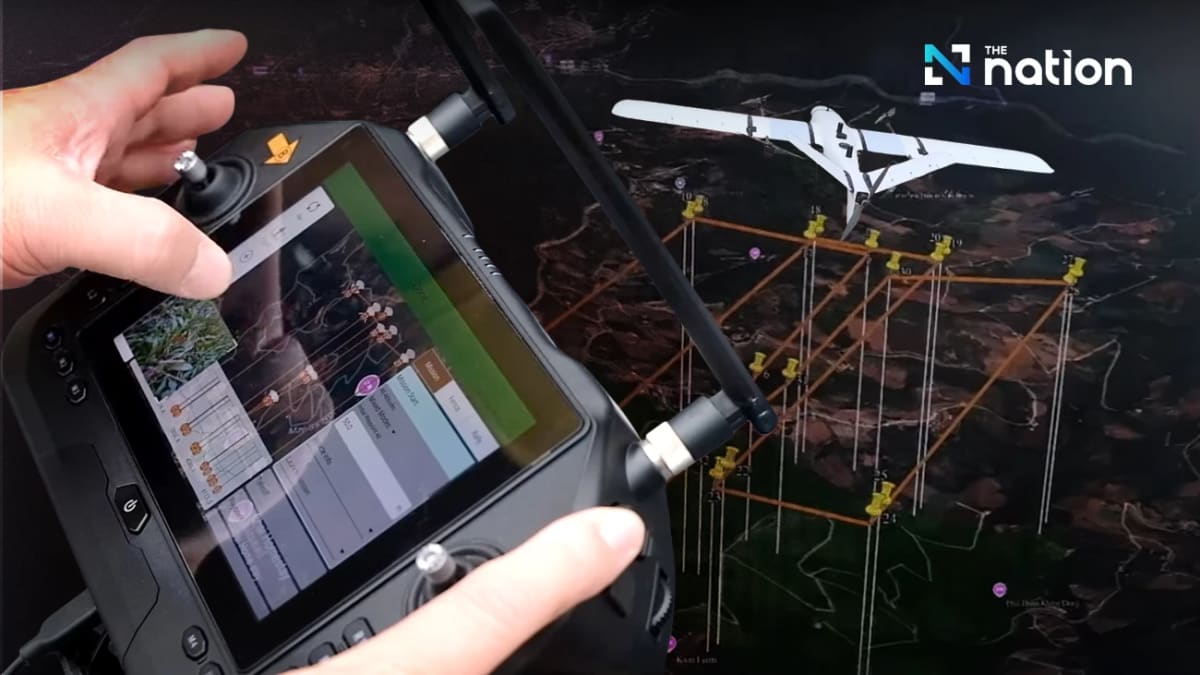
The new drones fly at low altitudes, covering a 60-kilometer radius from a single launch point. This range means vast forest areas previously unreachable by ground patrols now receive constant surveillance.
Real-time GPS tracking sends instant alerts to command centers when smoke or fire is detected. The AI has been trained on thousands of aerial images to distinguish between harmless mist and dangerous smoke, virtually eliminating false alarms and pinpointing the exact location of every hotspot.
The system stitches together high-resolution photos to create detailed maps updated hourly. Rangers and firefighters receive live intelligence about fire spread and intensity, allowing them to deploy resources exactly where needed.
The Ripple Effect
The most revolutionary aspect isn't the technology itself but who can afford it. At under one million baht (approximately $30,000), the system costs a fraction of industrial-grade alternatives that run into the millions.
This price point means local government organizations and community park ranger teams can now access the same sophisticated tools used by national agencies. Small districts protecting their own forests no longer depend solely on central government resources.
The democratization of this technology creates a network of local guardians across Northern Thailand. Communities gain agency over their own environmental protection, transforming from passive victims of annual smoke seasons into active defenders of their air quality.
The project operates under Thailand's Academic Committee for Northern Smog Problem Solving at CMU, part of a coordinated national effort combining research institutions, local governments, and community firefighting teams. This collaboration ensures academic innovation translates directly into practical tools that save lives and preserve ecosystems.
Thailand is positioning itself as a leader in environmental deep tech by proving that sophisticated solutions don't require unlimited budgets. The blueprint developed in Chiang Mai's mountains could help forest communities worldwide facing similar challenges.
Each drone patrol represents more than fire prevention—it's infrastructure for a future where Northern Thailand's children breathe clean air year-round.
Based on reporting by Regional: thailand innovation (TH)
This story was written by BrightWire based on verified news reports.
Spread the positivity!
Share this good news with someone who needs it