Thailand's Ancient Temple Becomes UNESCO World Heritage Site
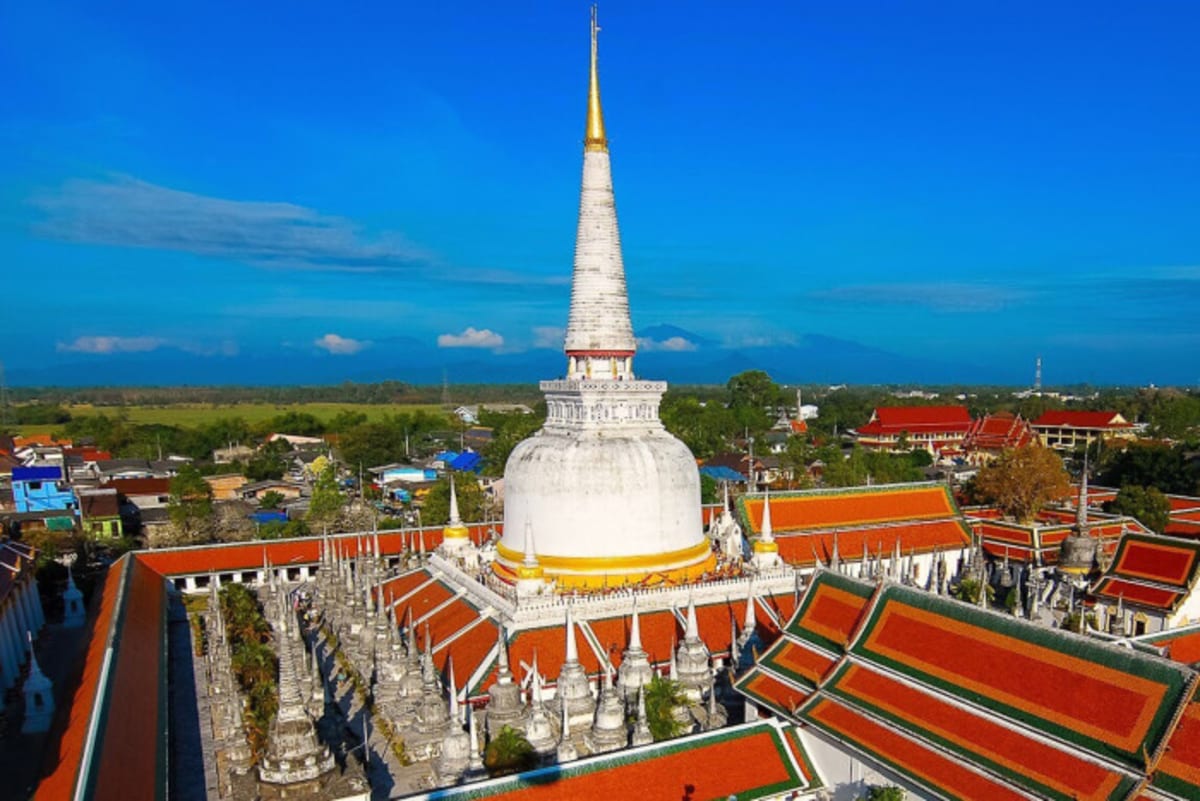
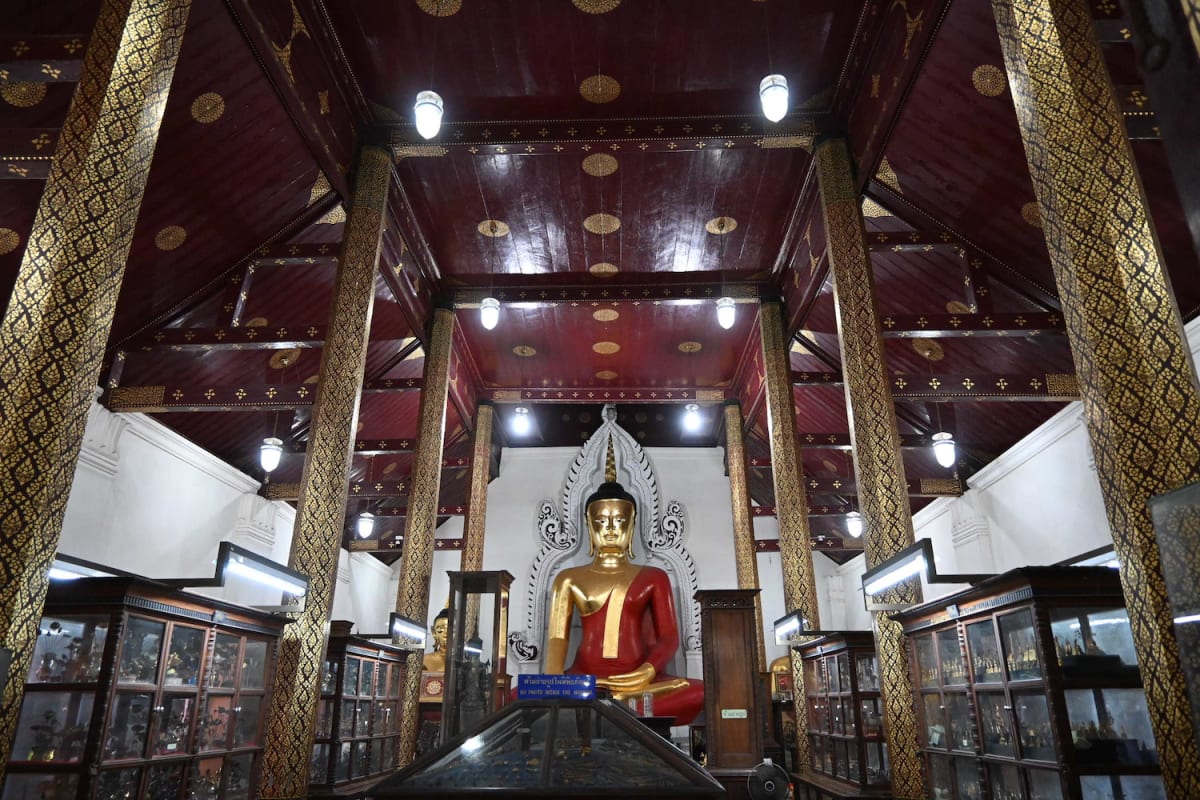
A 1,000-year-old Buddhist temple in southern Thailand just earned UNESCO World Heritage status, becoming the country's ninth protected site and the first in its southern region. The recognition celebrates a sacred place where cultures from India, Java, Sri Lanka, and Myanmar merged to create something extraordinary.
Thailand is celebrating after UNESCO honored Wat Phra Mahathat Woramahawihan as a World Heritage site, protecting a temple that has inspired spiritual seekers for over a millennium.
The ancient temple in Nakhon Si Thammarat province received its official designation Saturday at a UNESCO meeting in Busan, South Korea. It's Thailand's ninth World Heritage site and the first from the country's southern region.
What makes this temple special goes beyond its age. UNESCO recognized it as a living example of how different belief systems—Brahmanical, Hindu, Mahayana Buddhist, and Theravada Buddhist traditions—blended together across centuries to create unique religious architecture and art.
The temple's design carries influences from India's ancient Nalanda monastery, Central Java, Sri Lanka, and Mon culture from southern Myanmar. These diverse traditions didn't just coexist here; they merged and spread, shaping religious monuments across Thailand, Malaysia, and neighboring regions.
Culture Minister Sabeeda Thaised called the designation a recognition that the temple belongs not just to Thailand but to all humanity. She emphasized that the honor brings both pride and responsibility to preserve the site for future generations.
The temple remains a vibrant spiritual center today, not just a historical monument. It continues to host religious ceremonies and connects to Thailand's artistic heritage, including the traditional Nora dance that originated in the region.
The Ripple Effect
The designation is already creating positive change beyond the temple walls. The Fine Arts Department opened its first permanent exhibition dedicated to the site at the National Museum in Nakhon Si Thammarat, giving visitors deeper access to the temple's cultural treasures.
Local communities gathered at the temple Saturday for celebrations, with monks, students, government officials, and residents joining together. The recognition is expected to boost cultural tourism to southern Thailand, bringing economic opportunities to communities while raising awareness about preserving their heritage.
Minister Sabeeda invited people across Thailand to visit and experience the site's cultural value firsthand. The designation puts Nakhon Si Thammarat on the global map as a destination for travelers seeking authentic spiritual and cultural experiences.
UNESCO's recognition also validates the work of local communities who have protected and maintained the temple across generations, ensuring its survival through centuries of change.
Thailand now joins an elite group of countries whose cultural sites are recognized as treasures worth protecting for all humanity.
More Images



Based on reporting by Bangkok Post
This story was written by BrightWire based on verified news reports.
Spread the positivity!
Share this good news with someone who needs it