Thailand's Largest Dinosaur Reveals Hidden Prehistoric World
Scientists just discovered the biggest dinosaur ever found in Southeast Asia, a 89-foot giant that roamed Thailand 113 million years ago. The finding proves the region was home to far more ancient titans than anyone realized.
A team of paleontologists has unearthed evidence of a colossal new dinosaur species in northeastern Thailand, rewriting what we know about prehistoric life in Southeast Asia.
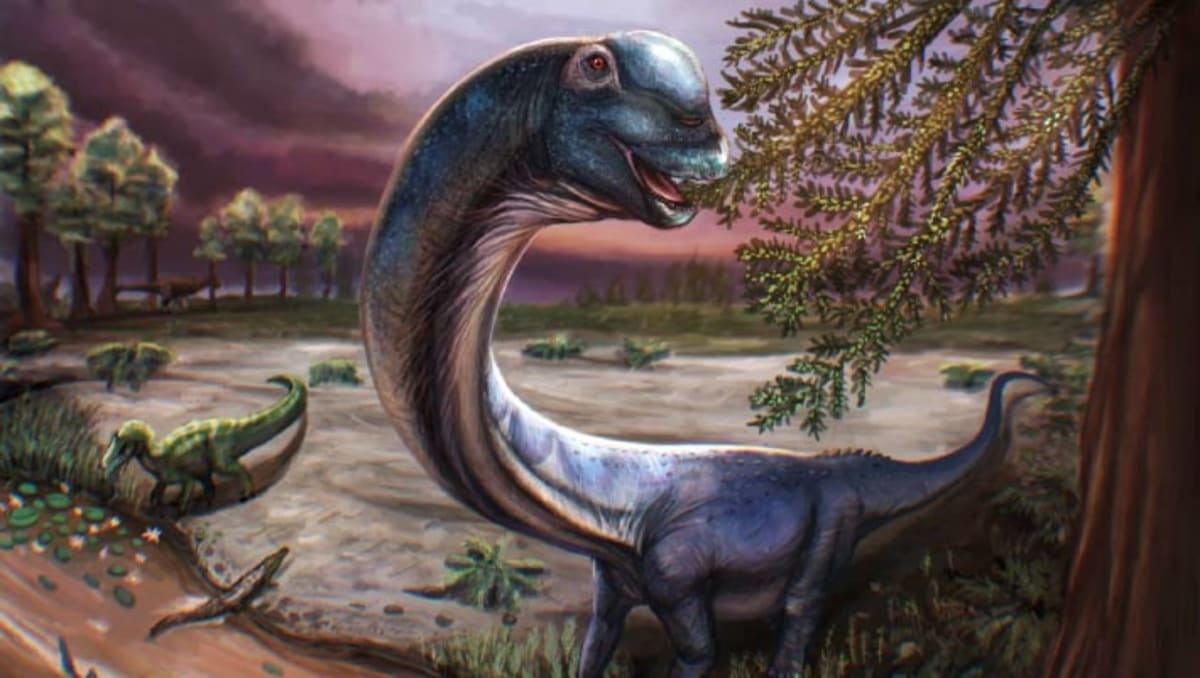
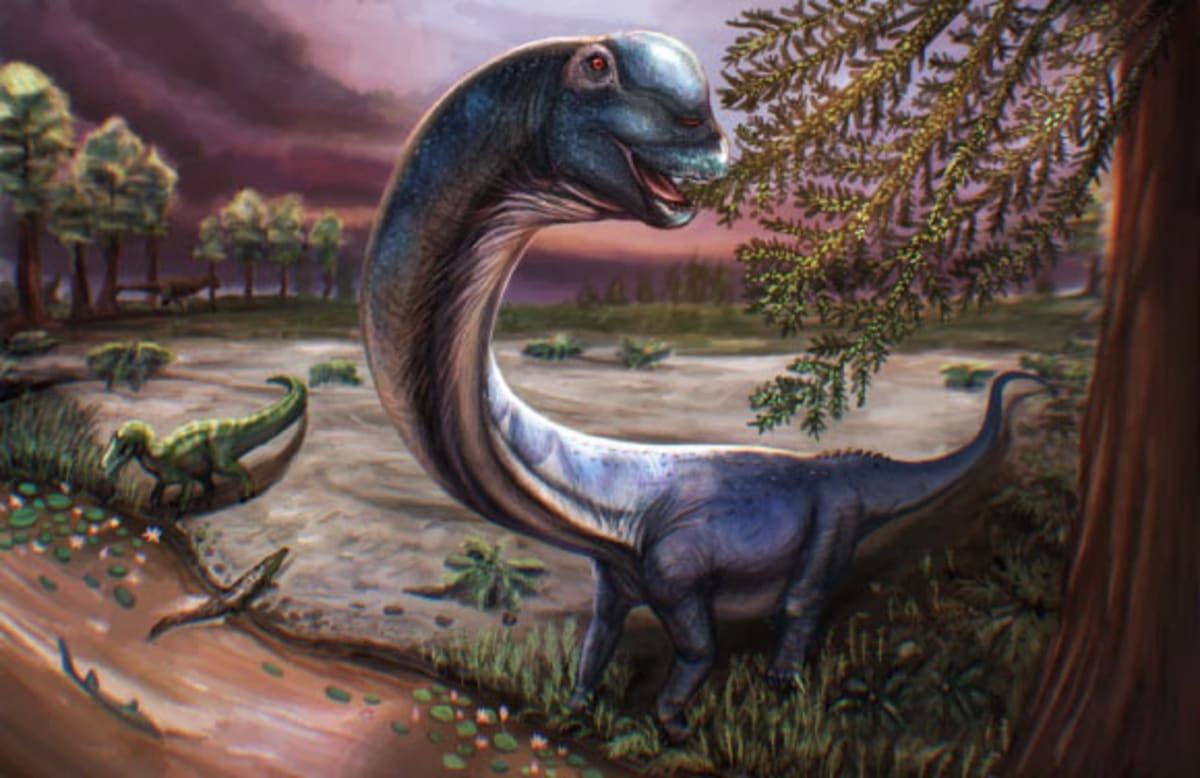
Meet Nagatitan chaiyaphumensis, an 89-foot-long gentle giant that weighed up to 28 tons and wandered the ancient floodplains of what is now Chaiyaphum province. The discovery marks the largest dinosaur ever found in Southeast Asia and suggests the region hosted a surprisingly diverse community of massive plant-eaters during the Early Cretaceous period.
Lead researcher Thitiwoot Sethapanichsakul, a Ph.D. student at University College London, puts the size in perspective. "Our dinosaur is big by most people's standards. It likely weighed at least 10 tons more than Dippy the Diplodocus," he explains.
But Nagatitan wasn't alone in this ancient ecosystem. The dinosaur shared its habitat with smaller plant-eating species, fearsome predators like carcharodontosaurians and spinosaurids, plus sharks, turtles, crocodile relatives, and flying pterosaurs. It was a thriving, complex world that scientists are only now beginning to understand.
The team compared Nagatitan's anatomy with more than 150 other dinosaur species to place it on the sauropod family tree. Their analysis revealed it belonged to Euhelopodidae, a group of Asian titanosauriforms that includes other notable species from Thailand and Laos.
Why This Inspires
This discovery shows us that there's still so much to learn about our planet's history, even in well-studied regions. The fossils came from Thailand's youngest dinosaur-bearing rock formation, meaning Nagatitan may be "the last titan" ever discovered in Southeast Asia, as younger rocks turned into shallow seas where dinosaurs couldn't survive.
The findings suggest that rising temperatures and expanded habitats during the middle Cretaceous period allowed these Asian giants to grow larger than their predecessors. It's a reminder that Earth has always been changing, and life has continuously adapted in remarkable ways.
Every new fossil discovery like this one opens another window into understanding the incredible diversity of life that once flourished on our planet. The fact that we're still finding massive dinosaurs in 2025 proves that wonder and discovery never stop.
More Images
Based on reporting by Google: fossil discovery
This story was written by BrightWire based on verified news reports.
Spread the positivity!
Share this good news with someone who needs it