Scientists Find 66-Million-Year-Old Protein in Dinosaur Bone
A groundbreaking discovery in South Dakota proves that original dinosaur proteins can survive for tens of millions of years, opening an exciting new window into studying extinct species. The finding could revolutionize how scientists understand dinosaur biology and evolution.
Scientists just proved that dinosaur fossils aren't just rocks—they may still contain traces of the original animals that died 66 million years ago.
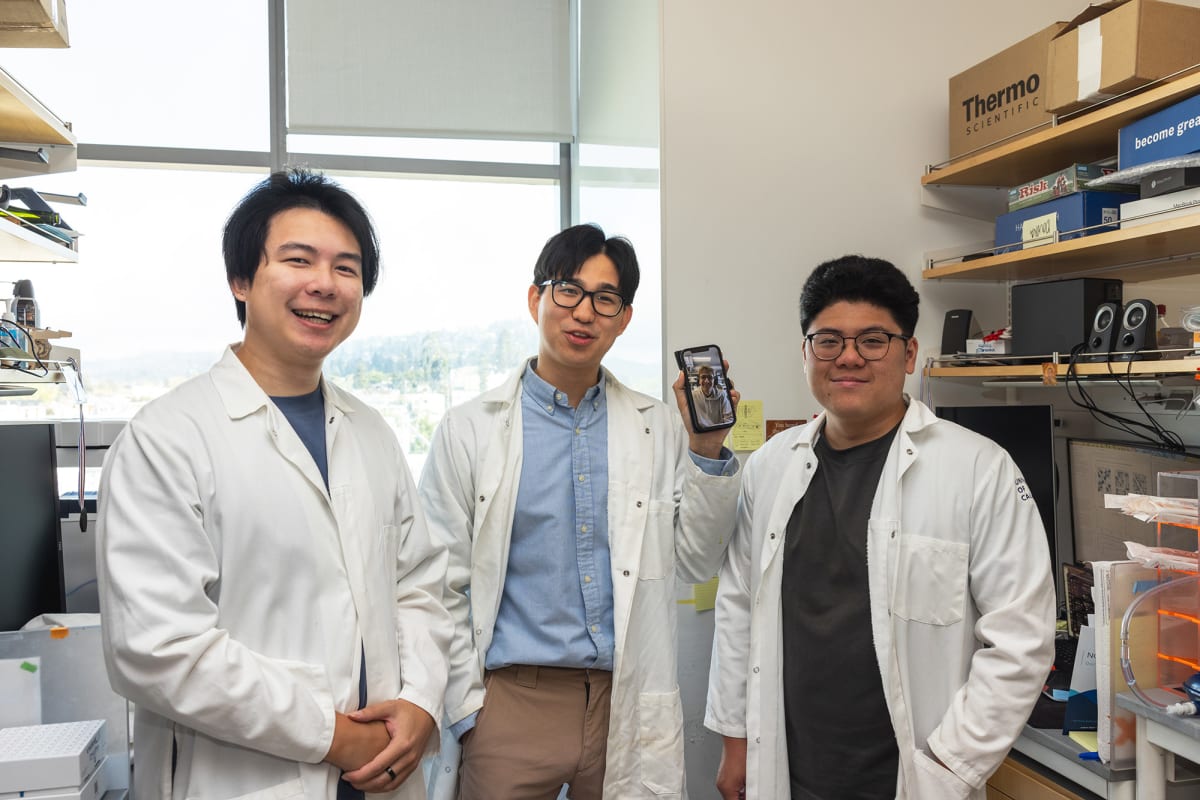
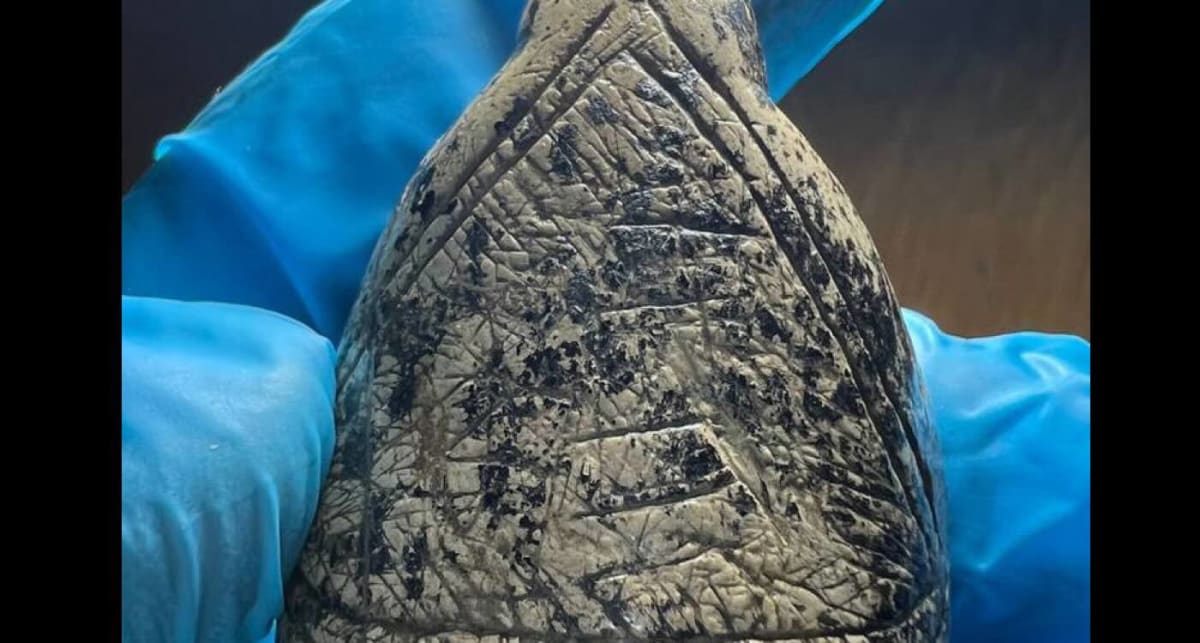
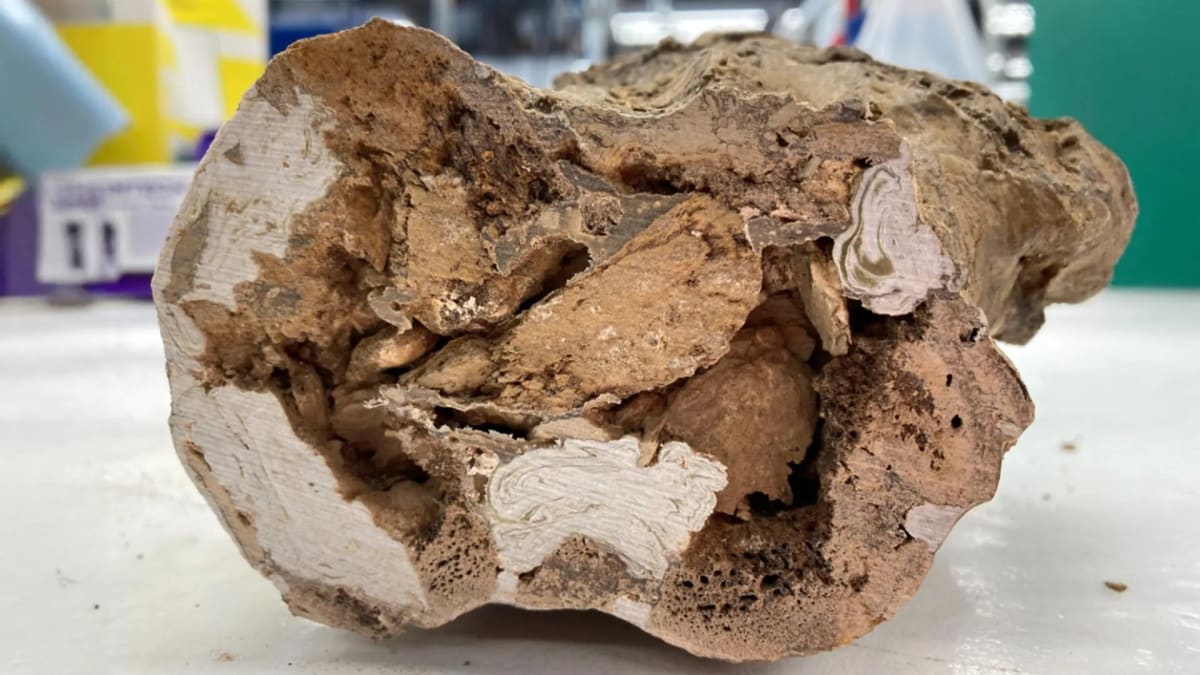
Researchers at the University of Liverpool discovered remnants of collagen, the main protein found in bone, inside a remarkably preserved Edmontosaurus fossil from South Dakota. This massive duck-billed plant eater lived alongside T. rex at the end of the Cretaceous Period.
The team used advanced techniques including mass spectrometry and protein sequencing to detect the ancient molecules. They also found hydroxyproline, an amino acid strongly linked to bone collagen, confirming that these weren't just modern contaminants.
"This research shows beyond doubt that organic biomolecules, such as proteins like collagen, appear to be present in some fossils," said Professor Steve Taylor, who led the research team. The discovery settles a debate that has divided paleontologists for over 30 years.
For decades, scientists assumed fossilization destroyed all original biological material, leaving only mineralized rock behind. When paleontologist Mary Schweitzer reported soft tissue structures in a T. rex fossil in 2005, many researchers dismissed her findings as contamination.
The new study stands out because researchers used multiple independent testing methods on the same 22-kilogram hip bone fossil. By combining microscopy, chemical analysis, and protein sequencing, they ruled out contamination and proved the molecules came from the dinosaur itself.
Why This Inspires
This breakthrough means scientists may finally unlock secrets about dinosaurs that bones alone can't reveal. Molecular traces could show evolutionary relationships between species, reveal how dinosaurs grew and aged, and even provide clues about ancient diseases.
The discovery gets even more exciting when you consider the timing. Taylor noted that fossil samples collected over the past century may contain overlooked evidence of preserved proteins, creating a ready-made treasure trove for new research.
Scientists still don't fully understand how these molecules survived so long when proteins normally break down quickly. Researchers believe certain burial conditions and mineral interactions inside bone may create microscopic pockets that dramatically slow chemical decay.
Edmontosaurus fossils are already famous for exceptional preservation—some specimens retain detailed skin impressions that earned them the nickname "dinosaur mummies." This latest finding adds molecular evidence to the visual record.
The research opens an entirely new chapter in paleontology, transforming how we study life from millions of years ago.
Based on reporting by Science Daily
This story was written by BrightWire based on verified news reports.
Spread the positivity!
Share this good news with someone who needs it