Thailand's Nano-Sensor Detects Water Toxins in Minutes
Thailand is rolling out a breakthrough nanosensor that identifies water contaminants like manganese and copper in minutes instead of days. The technology combines tiny nanomaterials with real-time digital monitoring to make water safety testing faster, cheaper, and accessible to communities.
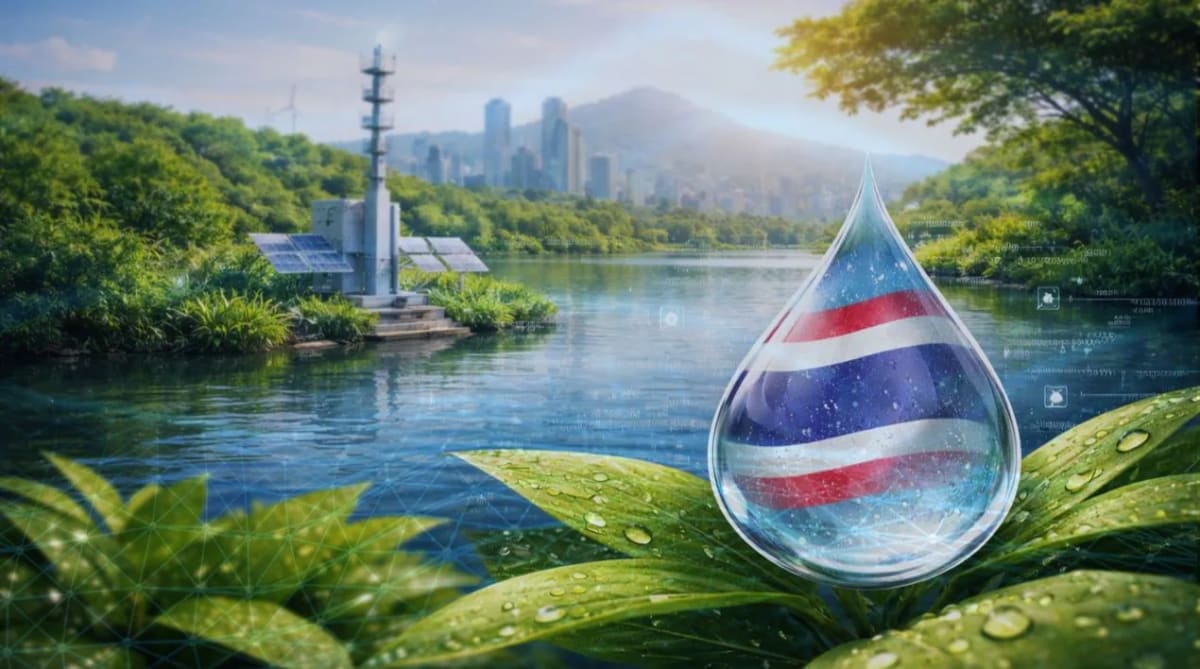
Clean water just got a powerful new guardian in Thailand, where scientists have developed a sensor the size of a small gadget that can detect dangerous chemicals in minutes.
ChemSense, a nanotechnology platform created by Thailand's National Nanotechnology Centre, uses microscopic materials to identify trace amounts of manganese, iron, fluoride, and copper in water supplies. Traditional lab testing takes days and costs hundreds of dollars. ChemSense delivers results in minutes for a fraction of the price.
The technology works by leveraging nanomaterials that react to specific chemicals with incredible sensitivity. When water passes through the sensor, these tiny particles identify contaminants at concentrations so low that conventional methods would miss them entirely.
Thailand's Ministry of Higher Education, Science, Research and Innovation is now developing official standards for the technology, starting with manganese detection. These standards will ensure the sensors work consistently and reliably, whether used by a village checking well water or a factory monitoring discharge.
What makes ChemSense truly groundbreaking is its companion device, the DuoEye Reader. This smart gadget reads the sensor results and instantly sends data to a digital platform where users can track water quality over time, receive alerts about contamination, and share findings with health officials.
The system transforms water monitoring from an expensive lab process into something communities can do themselves. A school can check fountain water before students arrive. A farmer can test irrigation sources. A neighborhood can monitor the local river without waiting weeks for results.
The Ripple Effect
Beyond Thailand, this innovation signals a shift in how developing nations can tackle environmental challenges. Countries that previously couldn't afford extensive lab infrastructure can now deploy affordable, accurate sensors across wide areas.
The technology creates new opportunities for local manufacturers and researchers too. By establishing clear standards, Thailand is building a foundation for companies to develop compatible sensors for other contaminants like heavy metals and pesticides.
Thailand will showcase ChemSense and similar innovations at the National Annual Conference in April 2026, where researchers, startups, and policymakers will gather to share technologies supporting environmental protection and economic growth.
The message is clear: advanced science doesn't have to stay locked in expensive laboratories. When nanotechnology meets practical design and digital connectivity, communities gain tools to protect their most essential resource.
More Images




Based on reporting by Regional: thailand innovation (TH)
This story was written by BrightWire based on verified news reports.
Spread the positivity!
Share this good news with someone who needs it