Thailand's Smart Water System Cuts Waste, Boosts Crops
Thailand replaced its 40-year-old manual water management system with satellite-powered technology that saves water while increasing farm yields. The iWASAM system now forecasts water needs a week in advance and monitors usage in real time across millions of acres.
For over four decades, Thailand relied on workers trudging through rice paddies each week to measure water levels by hand, but a satellite-powered upgrade is now delivering more food with less water.
The country's new iWASAM system uses space imagery and internet sensors to manage water across 1.26 million acres of farmland. It replaces the old WASAM framework that depended on field officers manually recording cultivation areas, checking canal flows, and measuring paddy water levels every seven days.
Dr. Varavut Vudhivanich from Kasetsart University explained that the original system launched in 1984 but never reached its potential because collecting data was simply too labor intensive. Even a Windows upgrade in the 1990s couldn't solve the core problem of relying on human surveys across vast agricultural regions.
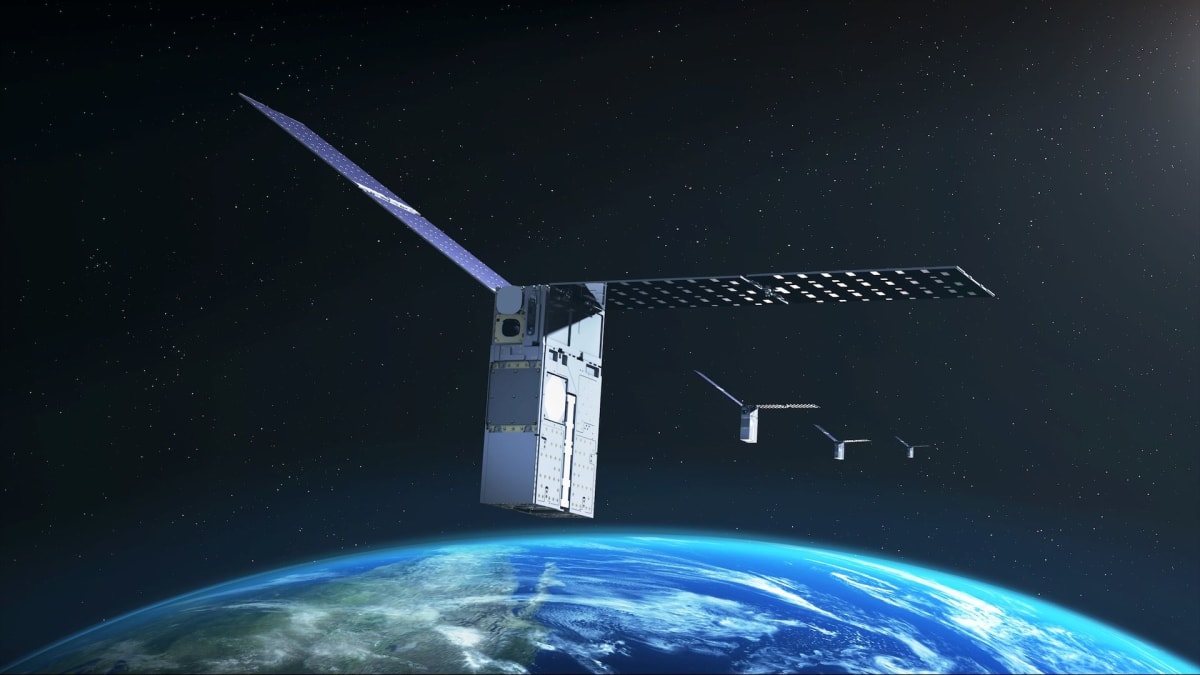
The breakthrough arrived in 2021 when researchers integrated Australian satellite imagery with local weather data and IoT sensors. The smart system now calculates exactly how much water each canal needs and predicts demand seven days out, eliminating guesswork and waste.
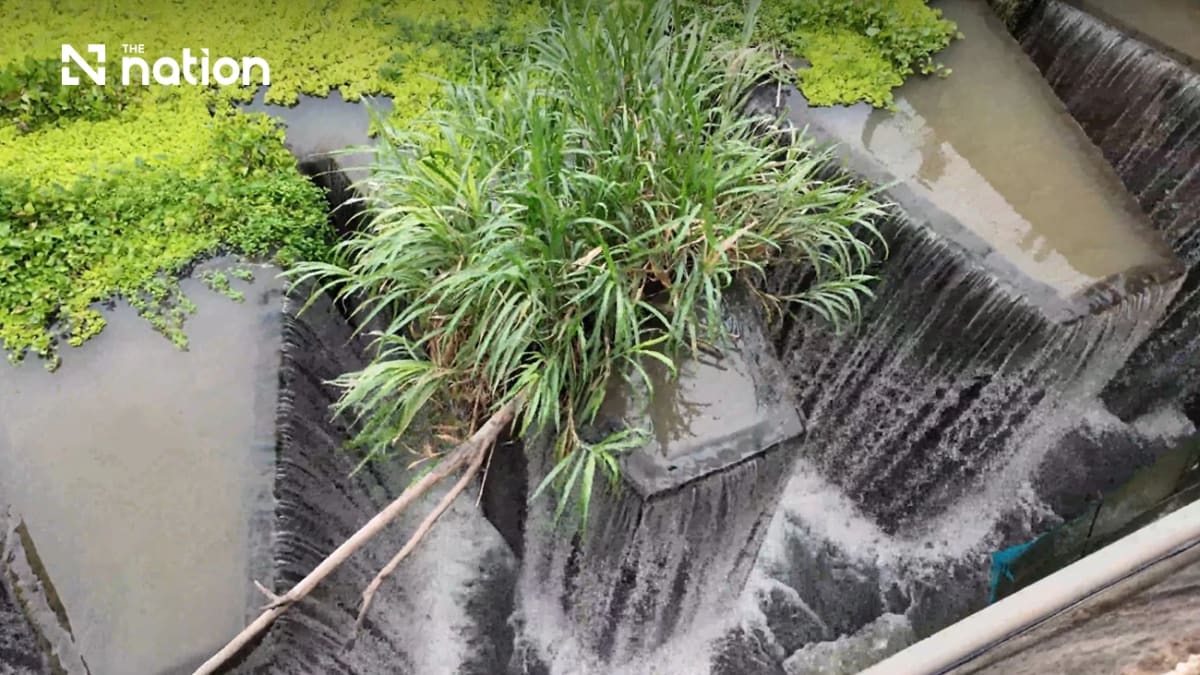
Real-time sensors monitor water levels, quality, and gate openings across the entire network. This lets operators see precise usage volumes and adjust delivery to match what crops actually need at any given moment.
The results speak for themselves. Farmers are using less water overall while harvesting bigger yields because their fields get optimal amounts at exactly the right times.
The Ripple Effect
Thailand isn't stopping with irrigation officers. The technology is expanding into a "3i" framework that serves three groups: iWASAM for water managers, iFarm for individual farmers, and iTambon for entire communities.
The community version includes early flood warnings, turning a water-saving tool into a life-saving one. Meanwhile, researchers are adding artificial intelligence to predict conditions even further ahead and smartphone controls that let operators adjust gates remotely.
Dr. Korottasuwan Phosuwan from the Royal Irrigation Department says the team is also tracking economic productivity by calculating the monetary value generated per cubic meter of water. This data helps prove that smart water management isn't just good for the environment but makes financial sense too.
The system launched in Kamphaeng Phet province and is now rolling out to other river basins across the country. What started as replacing clipboards with satellites has become Thailand's blueprint for feeding more people while protecting precious water resources.
A 40-year-old idea finally has the technology it always needed to flourish.
Based on reporting by Regional: thailand innovation (TH)
This story was written by BrightWire based on verified news reports.
Spread the positivity!
Share this good news with someone who needs it