Thailand's Wild Tigers Grow to 210 After Decades of Decline
A tigress named Mae Kaew just became a grandmother in Thailand's forests, proof that wild tiger numbers are bouncing back. The country now has 210 wild tigers, making it the first in Southeast Asia to reverse decades of decline.
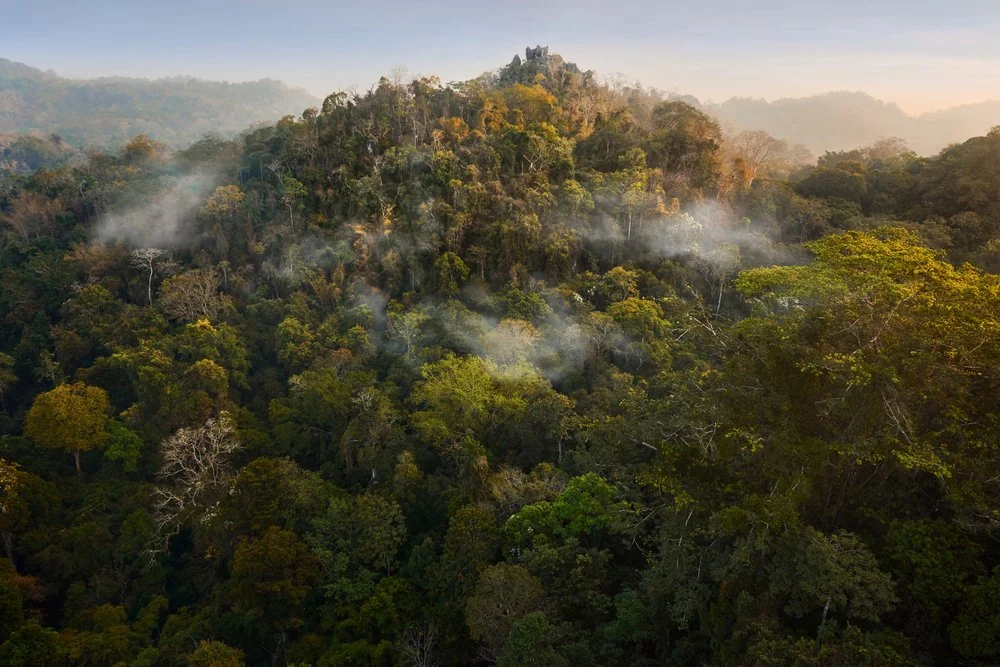
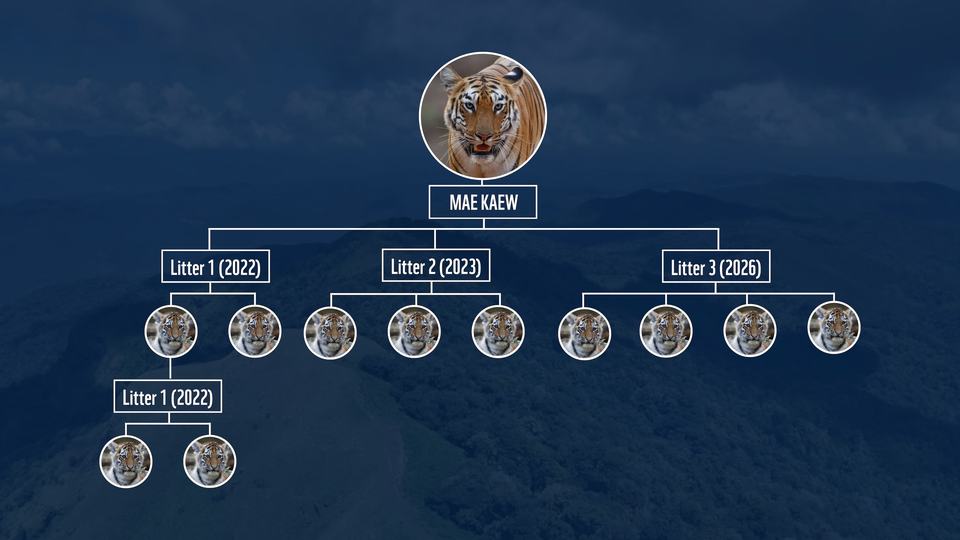
Deep in Thailand's Western Forest Complex, a mother tiger named Mae Kaew has done something remarkable. She raised nine healthy cubs and now her daughter just had babies of her own.
Mae Kaew left her home sanctuary in 2021 to establish new territory. Over just a few years, camera traps captured her raising three separate litters, all thriving in the wild.
Now one of those cubs, born in 2022, has become a mother herself with two new cubs. For conservationists, this makes Mae Kaew more than just a successful mom. It makes her a grandmother.
That family story represents something bigger. Thailand just announced it now has 210 wild tigers, up from 148 to 189 in 2022.
The country became the first in Southeast Asia to increase its wild tiger population. While other nations in the region have lost tigers entirely over the past 25 years, Thailand bucked the trend.
The recovery came through years of sustained work. Rangers strengthened protections against poaching across national parks and wildlife sanctuaries using systematic patrol systems that track threats and collect field data.
Communities played a crucial role too. Forest rangers started the Big Cat Band, using music to help people connect with conservation and value their wildlife.
Schools got involved through programs like the Tiger House at Khlong Lan National Park. Kindergarteners learn about forest ecosystems through hands-on activities, building the next generation of conservationists.
Fixing the ecosystem meant bringing back what tigers eat. Since 2021, teams reintroduced more than 180 sambar deer into tiger habitats.
They also started returning banteng, an endangered wild cattle species. Three adults recently moved to an acclimatization enclosure, tracked with GPS collars to monitor their survival.
The Ripple Effect
Mae Kaew's success shows what tigers need to thrive. A breeding female requires sufficient prey, secure habitat, and low disturbance to raise cubs successfully.
Her nine offspring represent new generations that will establish their own territories and strengthen the population further. When her daughter had cubs, it proved the forest could support multiple generations naturally.
The recovery offers proof that decline can reverse when conservation gets sustained investment. Strong management, community support, and science-based approaches create conditions where wildlife can bounce back.
For a species that faced extinction across Southeast Asia, watching a grandmother tiger in the wild feels like witnessing the future take root.
More Images


Based on reporting by Google News - Recovery Story
This story was written by BrightWire based on verified news reports.
Play Today’s BrightWire Positive Mini Crossword & Word Game
Keep your mind sharp with our free 5-minute uplifting daily crossword and positivity word puzzle.
Spread the positivity!
Share this good news with someone who needs it