The 200-Year Idea That Changed How We Learn Together
A new book reveals that diversity in education isn't a modern trend but a 200-year-old principle that transformed universities worldwide. From 19th-century Prussia to today's classrooms, bringing different perspectives together has been the secret to better learning.
Long before diversity became a buzzword, a Prussian diplomat named Wilhelm von Humboldt had a revolutionary idea: students learn better when they study alongside people with different backgrounds and viewpoints.
In 1810, Humboldt founded the University of Berlin on a radical principle. He welcomed not just Protestants, but Catholics and Jews too, outsiders in early 19th-century Prussia. Instead of professors lecturing to silent students, he created spaces where people with different experiences could debate, question, and discover knowledge together.
The idea caught fire. British philosophers John Stuart Mill and Harriet Taylor Mill expanded it, arguing that encountering people who actually hold different beliefs, not just hearing about them, is essential for freedom itself. They fought to open Oxford and Cambridge to religious minorities and women, seeing diversity as the foundation of democracy.
By 1869, the principle reached Harvard. President Charles Eliot transformed the university by opening its doors to women through Radcliffe College, to Catholic and Jewish students, to immigrants, and to Black students. He called it the "clash of ideas" and believed it made everyone sharper thinkers.
The Bright Side shows this wasn't just about fairness. Research universities flourished under this model, producing breakthroughs in science, medicine, and technology. Companies that embraced diverse teams made better decisions. Democracies that protected minority voices grew stronger.
The principle survived two centuries not because it was trendy, but because it worked. Caroline von Humboldt, Wilhelm's wife and intellectual partner, saw this early on through her famous salons in Berlin, Paris, and Vienna where outsiders and insiders mingled freely. Though history largely forgot her name, her influence shaped the modern university.
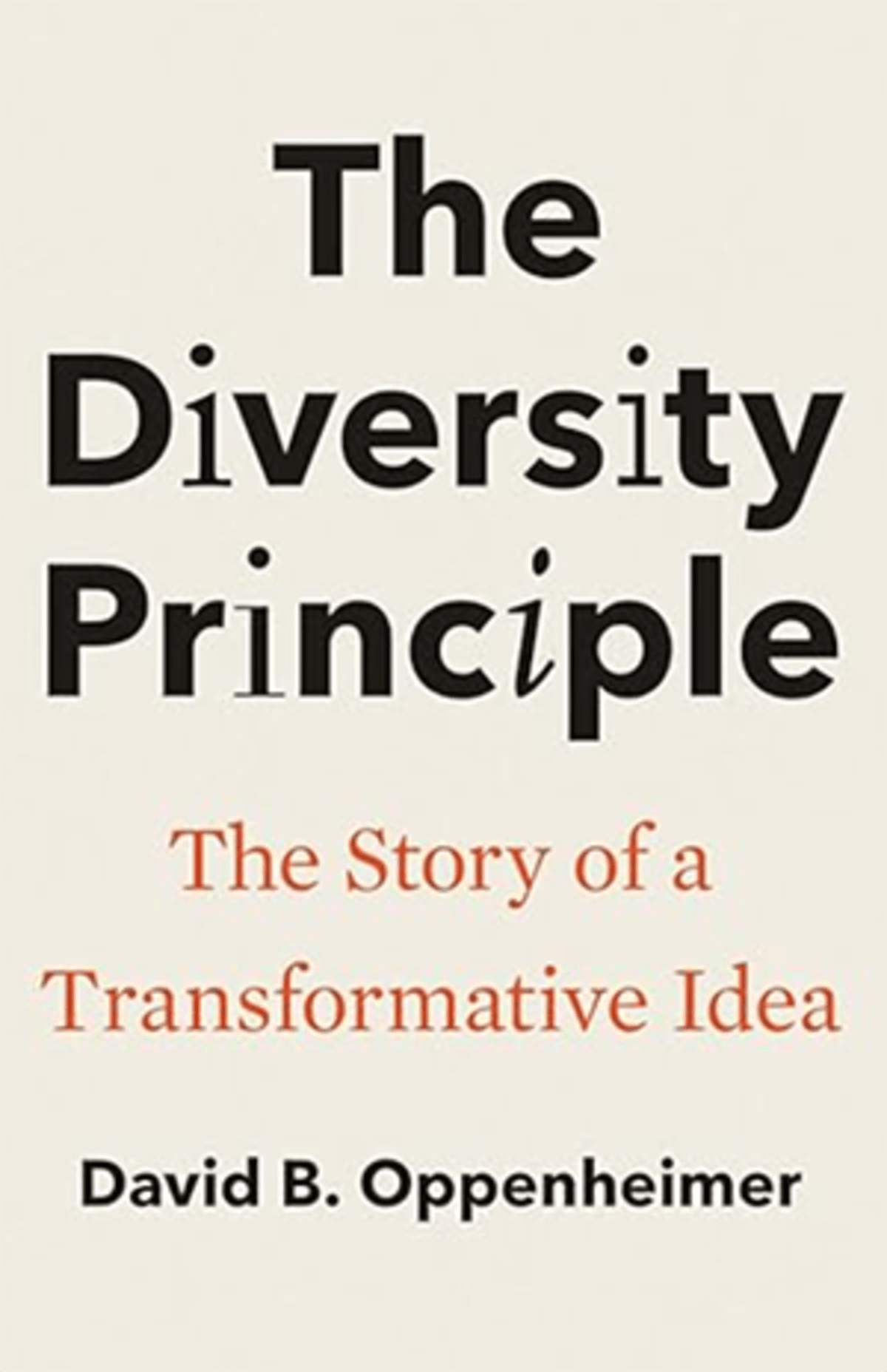
Today, debates about diversity often treat it as recent political correctness. But as legal scholar David Oppenheimer's new book "The Diversity Principle" reveals, this idea has deeper roots than almost any other in modern education. It connected Prussian reformers, Victorian philosophers, Harvard administrators, and civil rights leaders across continents and centuries.
When people from different backgrounds work together, something special happens. They challenge assumptions, spot blind spots, and solve problems in ways homogeneous groups simply can't. That's not ideology; it's two hundred years of evidence from classrooms, laboratories, and boardrooms worldwide.
The story reminds us that progress often has longer roots than we realize.
More Images



Based on reporting by Stanford Social Innovation
This story was written by BrightWire based on verified news reports.
Spread the positivity!
Share this good news with someone who needs it