The Bogfather: Wales Scientist Restores Bogs to Fight Climate
Dr. Peter Jones has spent 30 years restoring Wales' damaged peatlands, which store 30% of the country's land-based carbon despite covering just 4% of its surface. His nature-based solution tackles climate change, flooding, wildfires, and biodiversity loss all at once.
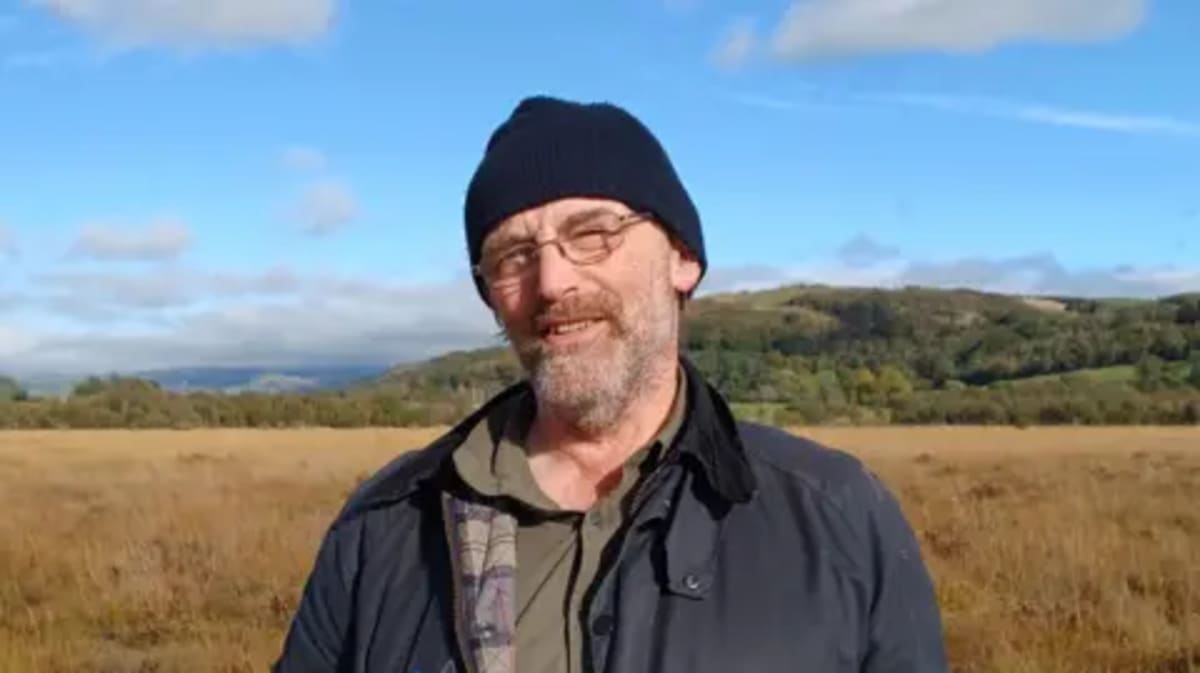
A scientist nicknamed "The Bogfather" is helping save the planet one wetland at a time, and his lifelong mission is finally getting the attention it deserves.
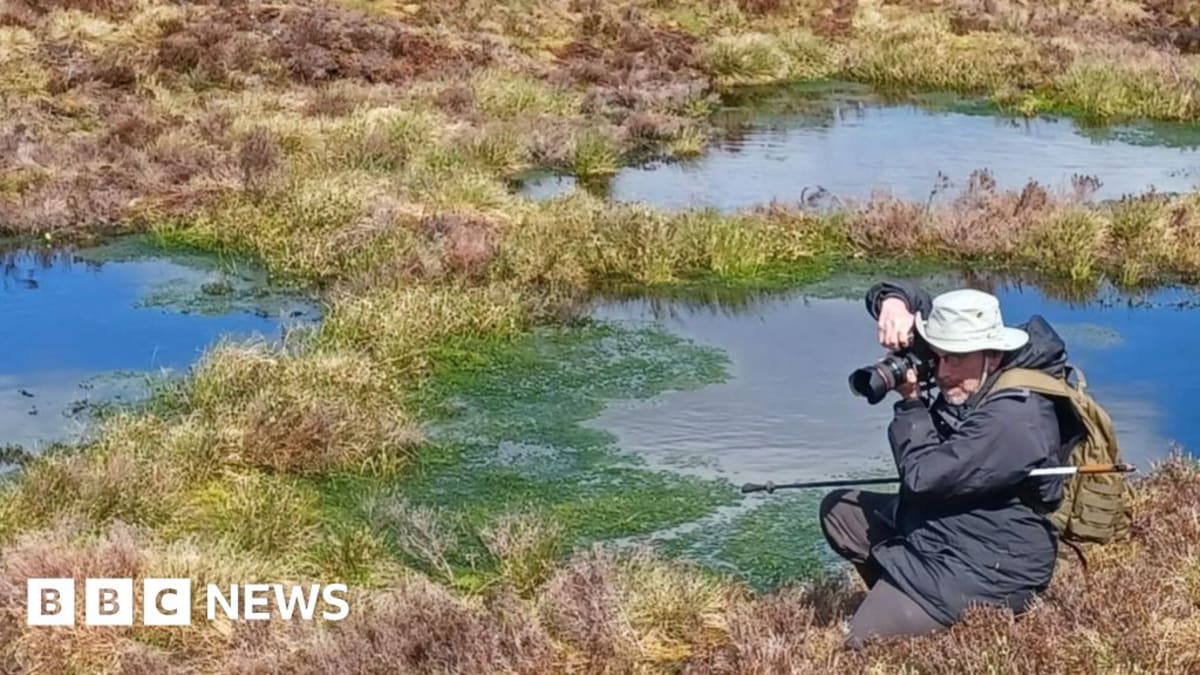
Dr. Peter Jones has dedicated three decades to restoring Wales' peatlands, ancient landscapes that pack a serious climate punch. These bogs store 30% of Wales' land-based carbon despite covering only 4% of the country's surface.
There's just one problem: 90% of them are damaged and leaking greenhouse gases instead of storing them.
Jones's passion started at age eight during a rainy visit to a nature reserve near Tregaron. Now in his 60s, he still can't resist stopping on family walks to investigate interesting wetlands, "probably much to the annoyance of my long-suffering family," he laughs.
The nickname came from younger colleagues who recognized his dedication to making peatlands an offer policymakers can't refuse. His colleague Hanna Huws says few would argue with the title given his impact.
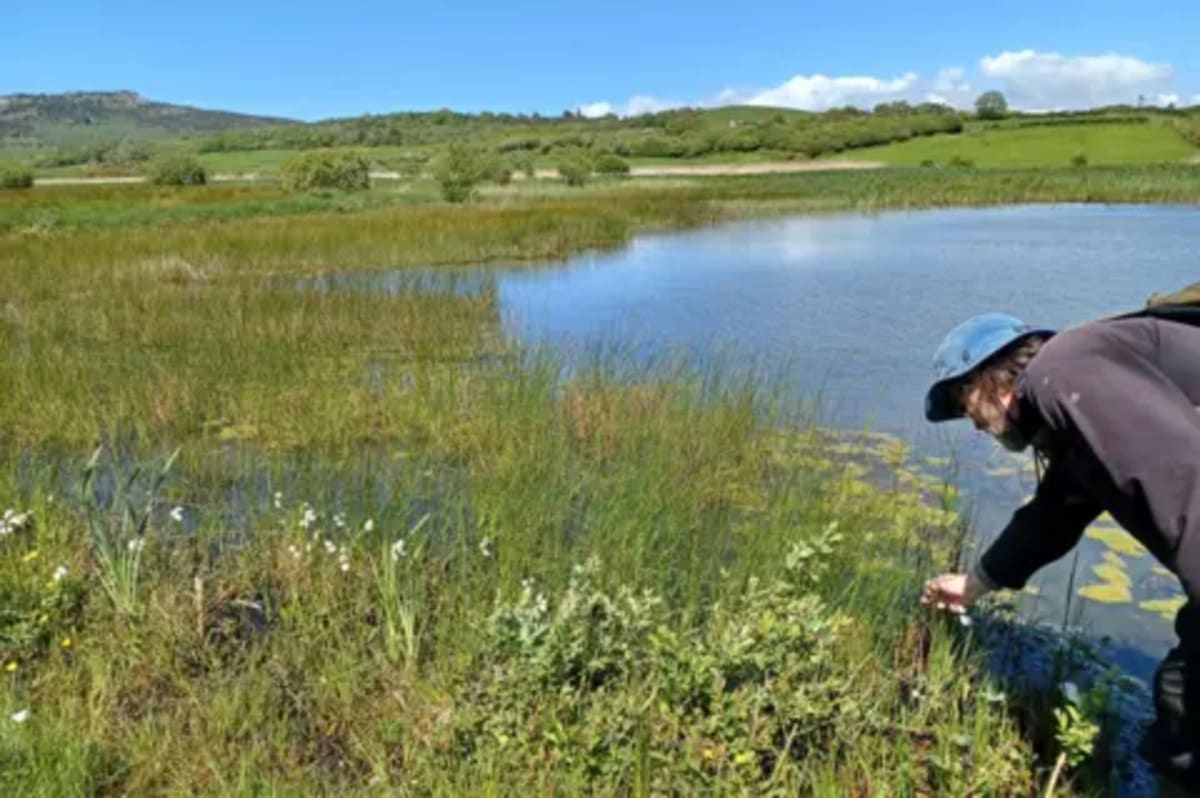
Healthy peatlands do more than just store carbon. They slow water flow to prevent flooding, act as natural firebreaks during wildfires, and support rare species like the fly orchid, which tricks male wasps into pollinating it by mimicking female pheromones.
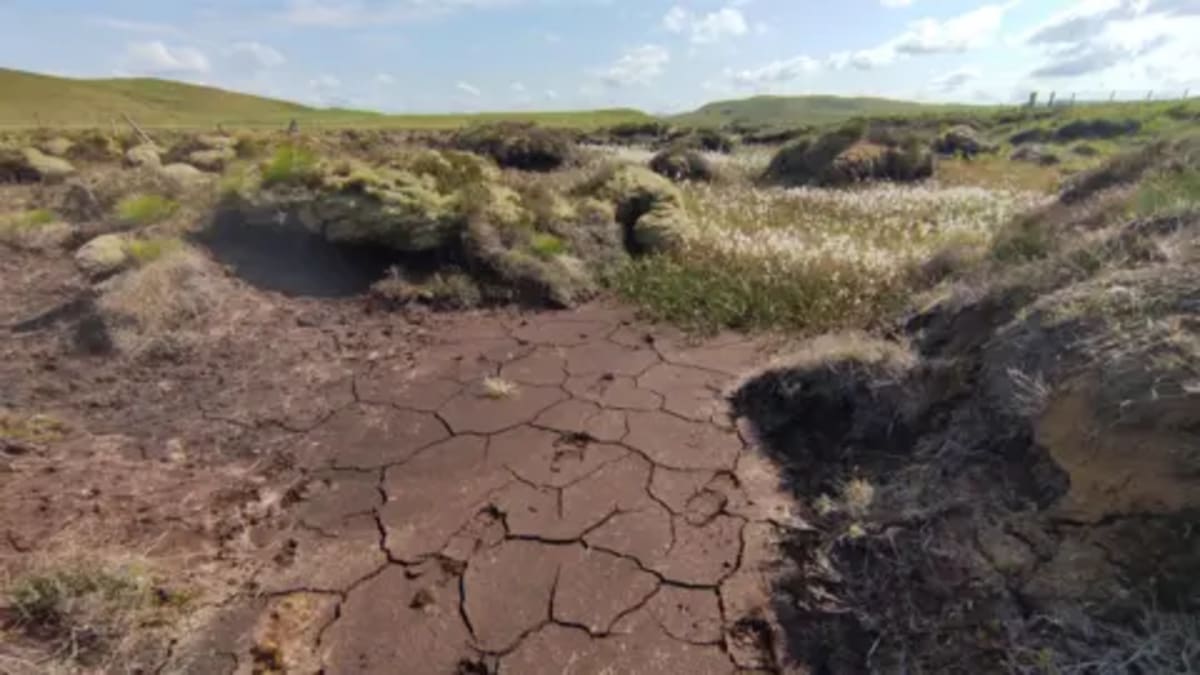
Wales' peatlands were historically drained for farming and tree planting because people saw little value in them. The damage shows up as "peat cliffs" where wind and rain have eroded everything down to bedrock.
Jones and his team help farmers and landowners restore these landscapes using more than 100 techniques, including blocking drains and re-establishing bog mosses. Sphagnum moss, which holds 20 times its weight in water, is particularly good at building new peat.
The Ripple Effect
The restoration work creates benefits far beyond carbon storage. Healthy peatlands become home to threatened invertebrates and rare plants while making Wales more resilient against climate impacts.
Progress takes patience. Peat accumulates about a millimeter per year, meaning one meter can take 1,000 years to form. But awareness is growing after decades of quiet conservation work.
Wales aims to restore about 1,800 hectares per year by the end of 2030. Jones knows climate change will make the job harder with less summer rainfall, but teams "all over the place" are tackling the challenge together.
"People might not at first sight think this is a special place, but it is," Jones says. "Every peatland in Wales has got a different story to it."
For his services to Welsh peatlands and communities, Jones received an MBE in 2024, proof that sometimes the best solutions to modern problems lie beneath our feet in ancient landscapes waiting to be restored.
More Images
Based on reporting by BBC Science
This story was written by BrightWire based on verified news reports.
Spread the positivity!
Share this good news with someone who needs it