The Kuleshov Effect: Why Actors Can Say More With Less
A century-old filmmaking technique proves that sometimes the best acting happens when performers do less, not more. Modern stars like Ryan Gosling and Zendaya are using this powerful editing trick to create unforgettable emotional moments on screen.
What if the secret to great acting isn't what you do with your face, but what the audience thinks they see?
In the 1920s, Soviet filmmaker Lev Kuleshov discovered something remarkable about how humans watch movies. He took an identical, expressionless shot of actor Ivan Mosjoukine and paired it with three different images: hot soup, a child in a coffin, and a woman on a couch.
Audiences swore the actor's face changed each time. They saw hunger, grief, and desire where none existed.
This became known as the Kuleshov Effect, and it changed filmmaking forever. The technique revealed that our brains automatically create emotional stories by connecting what we see in sequence.
Alfred Hitchcock mastered this approach in films like Rear Window. He would cut between Jimmy Stewart's neutral expression and whatever he was watching, letting audiences project suspense, curiosity, or judgment onto a simple stare.
Today's actors are embracing this less-is-more philosophy more than ever. High-resolution cameras can capture the tiniest eye movement or subtle mouth twitch that might have been invisible decades ago. These micro-expressions, paired with smart editing, create powerful emotional moments without theatrical facial gymnastics.
Why This Inspires
The Kuleshov Effect reminds us that connection happens in the space between people. Audiences don't just passively watch stories; they actively participate by bringing their own emotions and interpretations to what unfolds on screen.
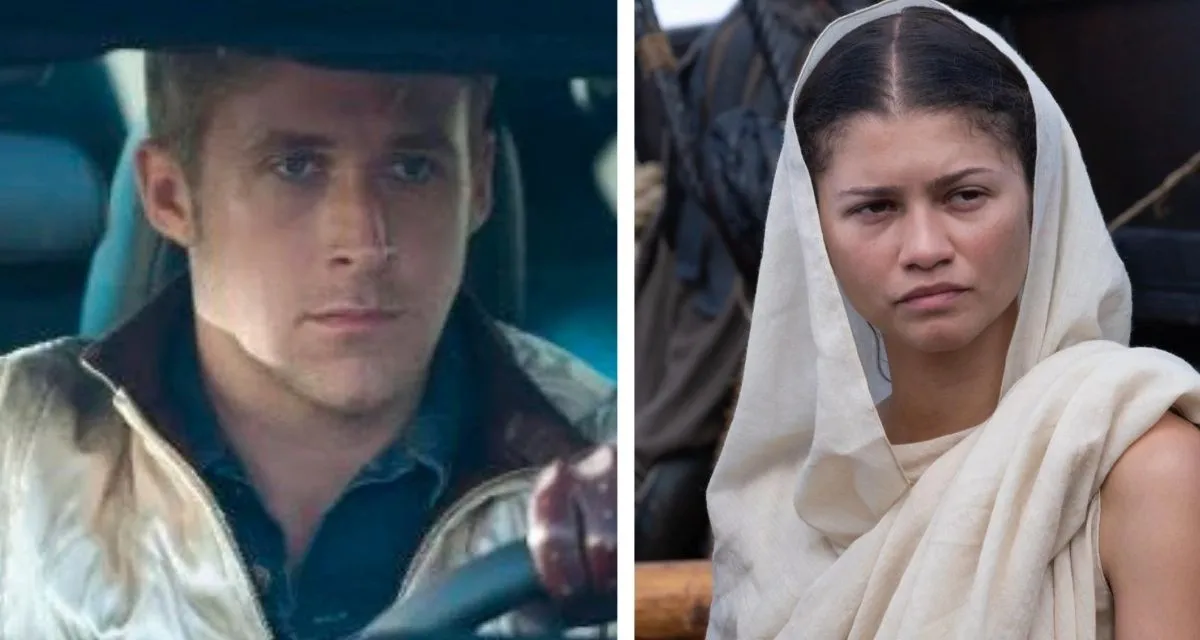
This technique has become essential as filmmaking embraces naturalism, reflecting how people actually behave in real life by concealing rather than broadcasting every feeling. Modern stars like Ryan Gosling and Zendaya have built careers partly on this restrained style, trusting viewers to fill in emotional gaps.
Some critics worry the pendulum has swung too far, with factors like Botox limiting facial movement and creating performances that feel wooden. When an actor's face becomes completely unreadable, even brilliant editing can't manufacture authentic emotion.
The sweet spot exists between doing nothing and doing too much. Great screen acting has always been about subtle choices: a slight shift in the eyes, a barely perceptible change in breathing, a moment of stillness that speaks volumes.
Technology keeps evolving, from silent films to today's green-screen volumes, but audiences crave the same thing they always have: genuine human connection that makes them feel something real.
The Kuleshov Effect proves that sometimes the most powerful stories happen not on an actor's face, but in the hearts of people watching.
More Images


Based on reporting by Upworthy
This story was written by BrightWire based on verified news reports.
Building Something New? Try the BrightWire Tech Stack Advisor
Compare modern frameworks, cloud hosting, and AI tools tailored to your project budget and scale.
Spread the positivity!
Share this good news with someone who needs it