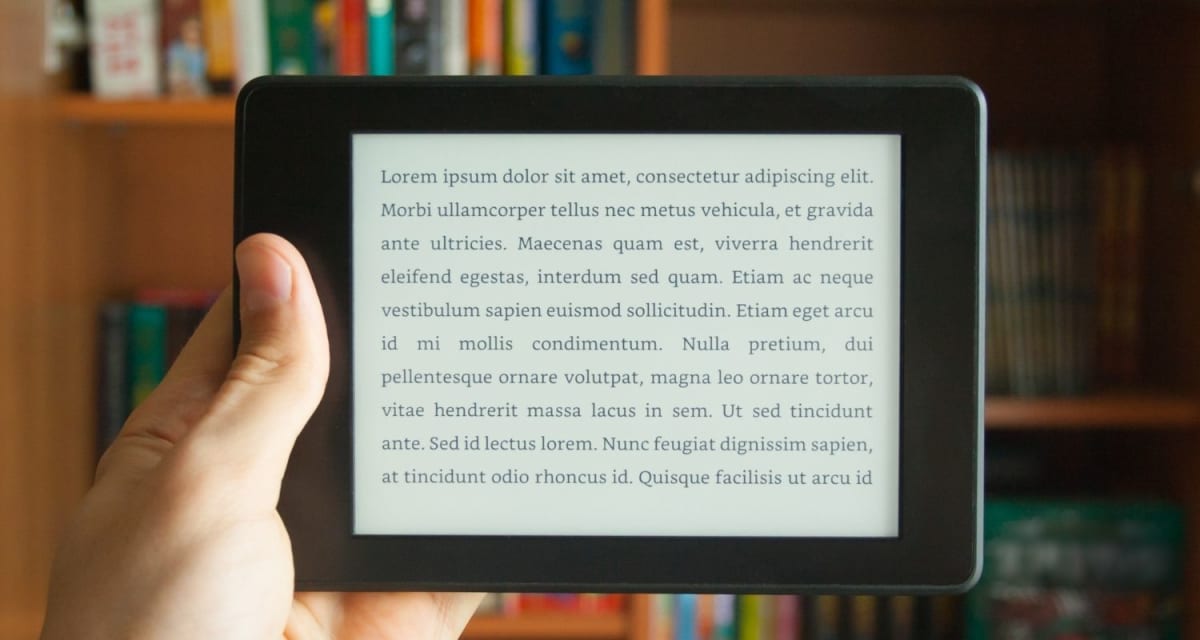
The Mystery of 'Lorem Ipsum' Dummy Text Finally Solved
YouTube creator Emily Zhang uncovered the surprisingly human story behind the world's most famous placeholder text. Her investigation revealed accidental typos, helpful librarians, and a 2,000-year-old Roman philosophy text.
Ever wonder why unfinished websites all use that strange "Lorem ipsum dolor sit amet" text? The answer involves a chain of happy accidents spanning from ancient Rome to 1980s software.
YouTube creator Emily Zhang dove deep into the history of Lorem ipsum for her channel Rabbit Hole. What she found upended everything we thought we knew about this mysterious placeholder text.
For starters, "lorem" isn't even a Latin word. And while most Lorem ipsum text comes from Latin, some versions include letters that don't exist in the Latin alphabet at all. The story gets even stranger from there.
Zhang tracked down Richard McClintock, a former Latin professor who had solved part of the puzzle years earlier. He traced Lorem ipsum back to a work by Roman philosopher Cicero called "On the Ends of Good and Evil," written around 45 BCE. But the modern text had been chopped up and altered in bizarre ways.
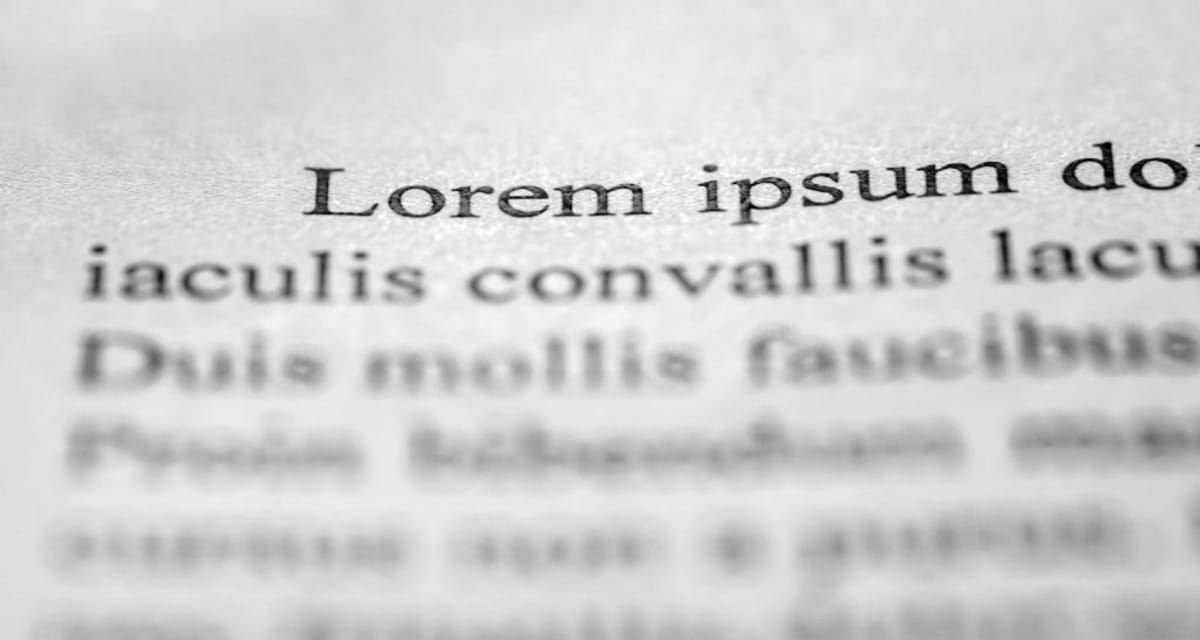
The mystery deepened when McClintock found a 1914 printed version of Cicero's work. The sentence breaks at the bottom of page 36 with "qui do" and continues on the next page with "lorem ipsum." That's where "Lorem" comes from. It's actually the end of the word "dolorem" split across two pages.
Zhang then hunted down the people who brought Lorem ipsum into modern use. She found Laura Perry, who added the text to Aldus Pagemaker software in 1987. Perry remembered it from Letraset, a 1960s lettering system that used transfer decals instead of hand stenciling.
Here's where it gets delightfully human. Perry had to type the Lorem ipsum text by hand into the software. She typed fast and made tons of mistakes. Worried about copyright issues, she left the typos in on purpose, hoping they'd protect her legally.
Those typos are now everywhere. Every time you see "nibh," "zzril," or "consectetuer" with an extra E in Lorem ipsum text, you're seeing Laura Perry's 1987 typos copied millions of times across the internet.
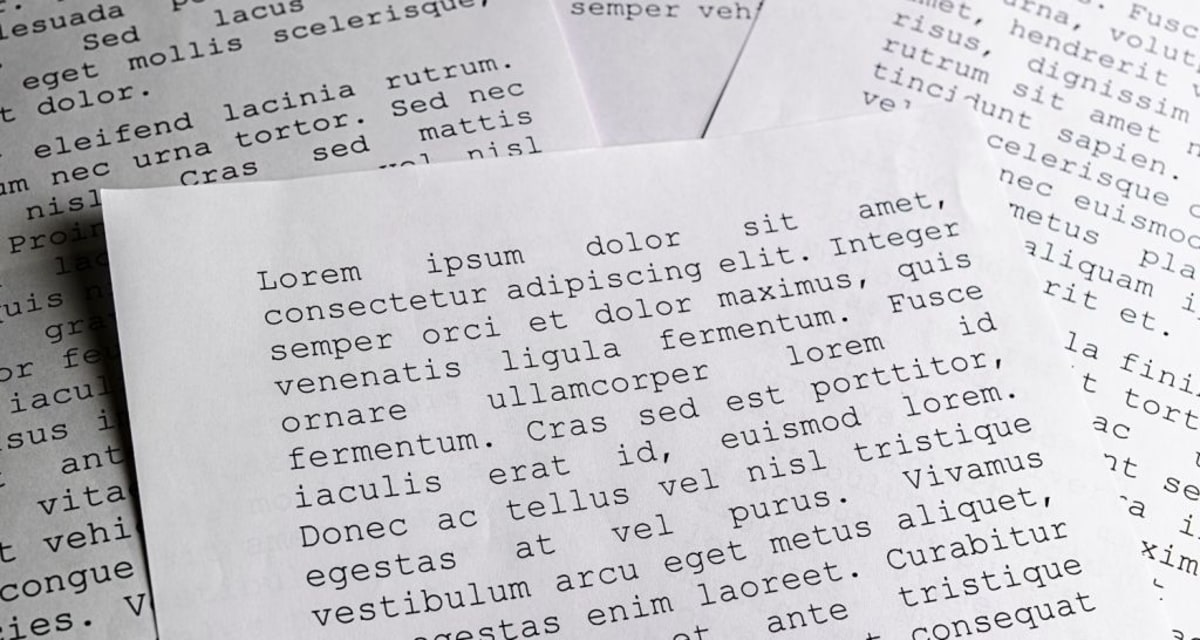
But who created it for Letraset in the first place? Zhang bought a 1966 Letraset page on eBay and compared it to the original Cicero text. Someone had taken bits from page 36, skipped 20 pages, grabbed more text, then repeated the process. They even mixed in random Spanish and French words and added letters that don't exist in Latin.
Dave Farey, an early Letraset designer, reached out to Zhang with the final piece. James Mosley, head librarian at Saint Bride Printing Library, created it in 1966 when Letraset needed dummy text for designers. Mosley was a printing and typography expert who looked beyond standard placeholder text in various languages.
Why This Inspires
This story shows how even the most mundane parts of our digital lives have rich, human histories. What looks like meaningless text actually represents a chain of real people making practical decisions. A librarian trying to help designers. A software developer worried about copyright. A professor curious enough to track down the truth.
The next time you see Lorem ipsum on an unfinished webpage, you'll know you're looking at pieces of ancient Roman philosophy, mixed with 1960s librarian creativity, preserved through 1980s typing mistakes.
More Images

Based on reporting by Upworthy
This story was written by BrightWire based on verified news reports.
Spread the positivity!
Share this good news with someone who needs it