These Ancient Trees Keep India's Oldest Mountains Alive
Older than the Himalayas, the Aravalli mountains depend on native trees that have spent millions of years perfecting survival in one of Earth's toughest landscapes. These resilient species are now showing us how to restore degraded land naturally.
Long before the Himalayas rose, the Aravalli mountains stood tall across northwestern India. Today, a collection of extraordinary native trees keeps this ancient ecosystem alive against all odds.
The Aravallis face brutal conditions: rocky slopes, scorching heat, and months without rain. Yet trees like Dhau have evolved deep root systems that grip fragile hillsides and create shaded forest canopies where little else survives.
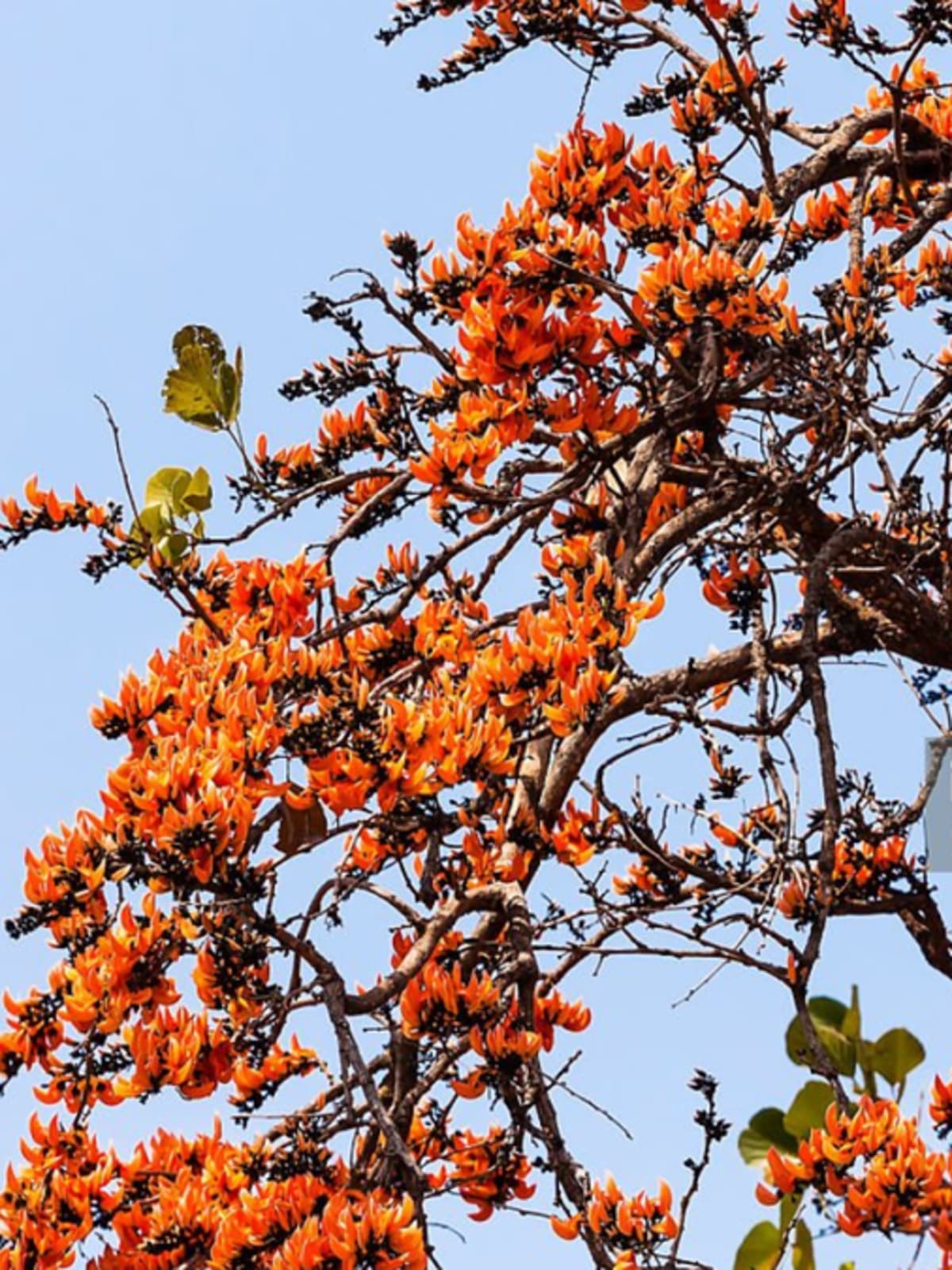
Each spring, Palash trees explode into brilliant orange blooms that earned them the nickname "Flame of the Forest." These flowers don't just dazzle visitors. They feed crucial pollinators while the trees enrich nutrient-poor soils beneath them.
The Khejri tree holds legendary status across the region. This drought-defying species actually improves the soil by fixing nitrogen naturally, providing shade and food for wildlife and people even when rains fail for years.
On the steepest, rockiest slopes where most plants can't establish roots, Salai trees cling to life. The Desert Teak, known locally as Rohida, produces stunning yellow-orange trumpet flowers and has become essential for restoring degraded dry forests.
Unlike exotic plantations that demand constant watering and care, these native species thrive independently. Their extensive root networks prevent erosion, recharge groundwater, and rebuild damaged soils without human intervention.
The wildlife depends on this resilience. Nilgai, jackals, porcupines, civets, reptiles, and hundreds of bird species rely on these trees year-round for flowers, fruits, leaves, and shelter.
The Ripple Effect
The healthy Aravalli forests do more than sustain local wildlife. They recharge aquifers that supply water to surrounding cities, cool urban temperatures, and reduce the devastating dust storms that plague the region. When these native trees thrive, millions of people benefit from cleaner air, more reliable water, and protection from extreme weather.
Conservation groups now prioritize planting these hardy native species instead of water-hungry exotic trees. The approach works because these plants evolved specifically for Aravalli conditions over millions of years.
Protecting India's oldest mountains means trusting its oldest trees to do what they've always done best: survive, adapt, and create life in the harshest places.
Based on reporting by The Better India
This story was written by BrightWire based on verified news reports.
Spread the positivity!
Share this good news with someone who needs it