This 1960s London Home Stays 10°C Cooler Without AC
Architect Marion Baeli turned her drafty ex-council house into a energy-efficient haven that cuts cooling costs by 88% and stays naturally comfortable even during heatwaves. Her decade-long transformation proves we can adapt our homes for hotter summers without relying on air conditioning.
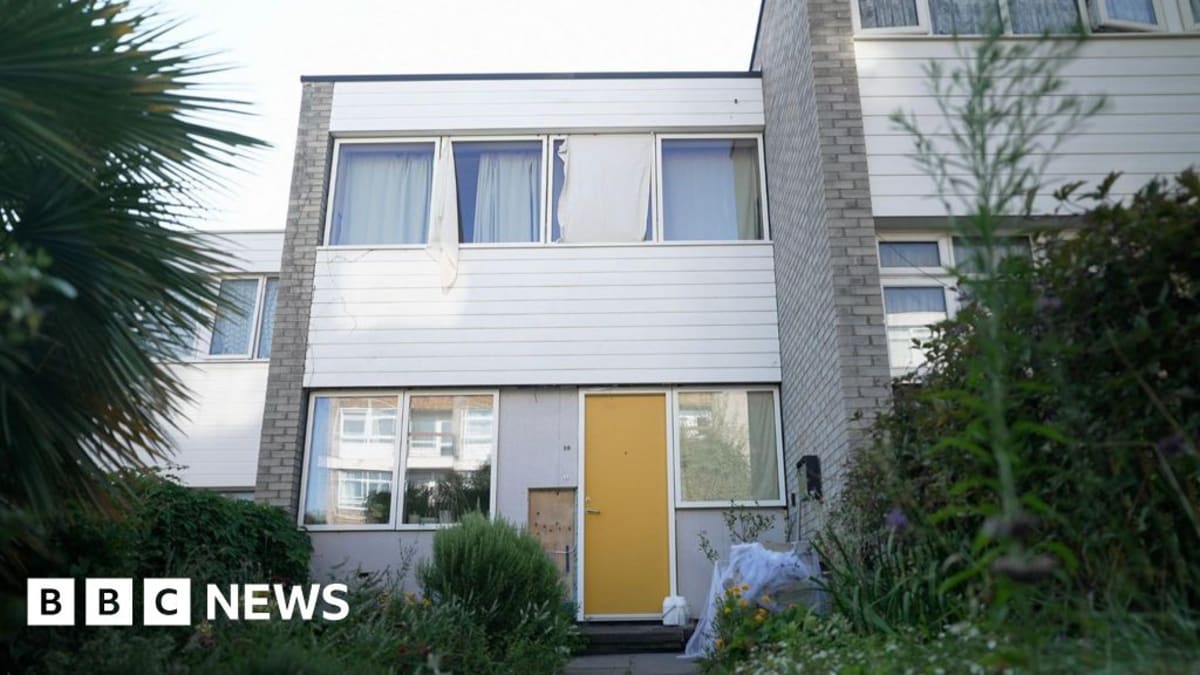
On a scorching 35°C day in south London, Marion Baeli's living room feels like a cool oasis at just 25°C. She hasn't turned on any air conditioning because she doesn't need it.
The architect spent ten years transforming her 1960s ex-council house into what she calls a "well-insulated flask." When she moved in, drafty windows made winters freezing and summers unbearable, but today her home maintains a steady temperature year-round.
Baeli used the Passivhaus standard, a German building approach that seals homes against extreme weather. The concept is simple: prevent temperature fluctuations by blocking heat transfer through walls, windows, and roofs.
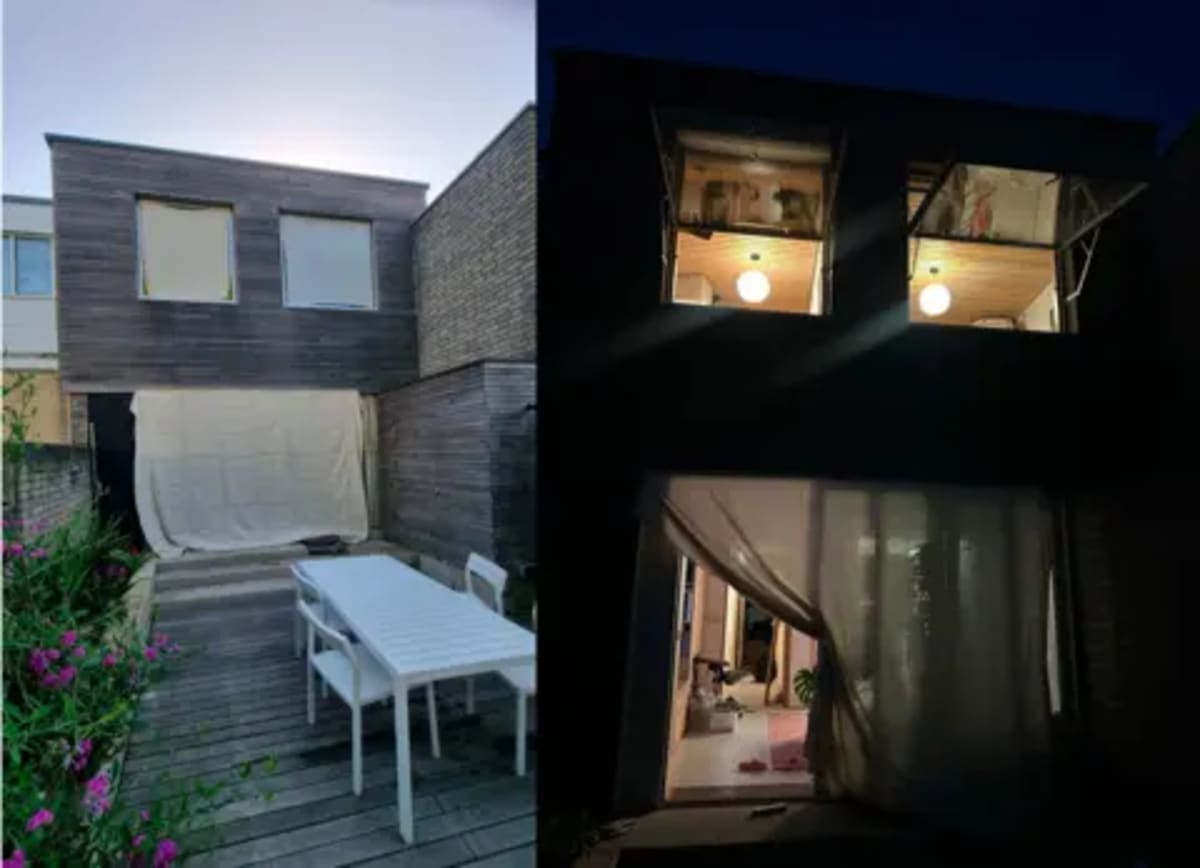
The transformation happened in stages to spread the £80,000 cost. First came insulation for shared walls, floors, and the roof, eliminating "thermal bridges" where heat sneaks through. Two years later, triple-glazed windows replaced the old double-pane ones, and super-insulated timber walls went up.
The most striking change? Baeli now heats her entire four-bedroom, three-story home with a single radiator in winter. In summer, she opens windows at night to let cool air in, then seals everything during the day with closed curtains and outdoor shade cloths.
Her energy bills dropped by nearly £750 per year, an 88% reduction. The house stayed comfortable through five heatwaves this summer, only reaching 27°C once when nighttime temperatures refused to drop.
The Ripple Effect
Baeli's experiment is becoming a blueprint for Britain's future. Over half of UK homes already risk overheating, and that number could hit 92% by 2050 without changes.
Major housebuilder Barratt Redrow is now constructing 900 apartments in west London using the same Passivhaus principles. England's new Future Homes Standard, launching in March, will require similar energy performance for all new builds.
Building to Passivhaus standards from the start costs just 2-5% more than conventional construction. Scotland is developing equivalent regulations that could launch next year.
While retrofitting existing homes remains expensive, Baeli's staged approach shows it's possible to improve gradually. Even small changes like better insulation and window coverings make a difference.
More homeowners across the UK are now adapting properties for 40°C summers, proving we can stay cool, cut emissions, and save money at the same time.
More Images

Based on reporting by BBC Science
This story was written by BrightWire based on verified news reports.
Spread the positivity!
Share this good news with someone who needs it